Transforming Legacy Systems: A Comprehensive Guide to Modernization in 2025
Technology is advancing at a pace that businesses can no longer ignore. Systems that once stood as the backbone of organizations—running payroll, managing customer data, or driving logistics—are now turning into bottlenecks. These legacy systems, built on outdated technologies, still power critical business functions but lack the agility, security, and scalability demanded by today’s digital economy.
Modernization is not just about upgrading software—it’s about transforming business operations for resilience, efficiency, and innovation. From cloud migration to microservices, from API-first ecosystems to automation and AI, organizations are rethinking their foundations to ensure survival and growth in an increasingly competitive environment.
This article combines insights on research studies, practical guides, roadmaps, and industry trend analyses—to provide a unified, end-to-end view of modernization in 2025.
We’ll explore why modernization matters, the methods available, real-world frameworks, and the best practices shaping successful transformations.
Understanding Legacy Systems in Today’s Business Landscape
Before we get into why you might need an upgrade, let’s first get a clear picture of what “legacy systems” actually are and why they’re still such a big deal in today’s business world. Think of them as software or hardware that’s been around for ages, sometimes even decades. Even though they’re old, they’re often doing some really mission-critical work for your business. These systems represent a huge investment, they’re sitting on tons of historical data, and their processes are usually baked right into how an organization operates. But, and this is a big “but,” they can also make things tricky when it comes to being quick, following new rules, or keeping things secure.
Often, these old systems were built using programming languages like COBOL, or they might be running on platforms that vendors just don’t support anymore. They can be incredibly reliable, which is great, but maintaining them can be super expensive because it’s hard to find people with the right skills. And because they’re not really designed for today’s tools, connecting them with things like cloud services, AI, or data analytics solutions can be a real headache.
Characteristics of Legacy Systems
- Monolithic architecture – tightly coupled applications where changes in one area affect the whole system.
- Outdated technology stacks – programming languages or frameworks that are no longer supported.
- High operational costs – maintenance, patching, and specialized staff requirements increase expenses.
- scalability – difficulty handling increased workloads or new customer demands.
- Integration challenges – incompatibility with modern platforms, APIs, or cloud services.
Risks of Continuing with Legacy Systems
- Security vulnerabilities – older systems often lack modern encryption, monitoring, or compliance features.
- Performance bottlenecks – slow processes lead to poor user experiences and customer dissatisfaction.
- Inflexibility – hard to integrate with new digital services or technologies.
- Business continuity risks – reliance on shrinking pools of professionals who understand outdated technologies.
Why Businesses Still Rely on Legacy Systems
Despite the rapid pace of technological innovation, many organizations continue to depend on legacy systems that have been in place for decades. These platforms are often deeply embedded within critical operations, acting as the backbone of industries such as finance, healthcare, manufacturing, and government. Leaders recognize their reliability and stability, but they also grapple with the growing mismatch between these outdated systems and today’s digital demands. Understanding why businesses still hold on to legacy infrastructure provides valuable context for the modernization journey ahead.
- They form the core of business operations (e.g., banking mainframes).
- High switching costs make leaders hesitant to upgrade.
- Fear of disruption —many companies avoid modernization to prevent downtime.
While legacy systems may seem irreplaceable, modernization is no longer optional. Businesses must weigh the risks of clinging to outdated systems against the opportunities modernization provides. This brings us to the various approaches to modernization organizations can consider.
Approaches to Legacy System Modernization
Modernizing legacy systems is rarely a straightforward decision—it’s a balancing act between preserving mission-critical operations and embracing the opportunities of new technology. Businesses must carefully evaluate their current environment, budget, risk tolerance, and long-term strategic vision before deciding on a modernization path. What works for a fast-scaling fintech startup may not suit a global bank running decades-old mainframes, and vice versa.
This is why modernization cannot be viewed as a one-size-fits-all process. Instead, organizations have multiple approaches available—ranging from quick “lift and shift” migrations to the cloud, to complete re-architecting into microservices, or even full system replacements. Each comes with its own trade-offs in terms of cost, speed, complexity, and risk.
The right choice depends on what an organization values most: minimizing disruption, unlocking scalability, reducing technical debt, or positioning for long-term innovation. By understanding the spectrum of modernization strategies, business leaders can make informed decisions that align with their operational realities and future growth goals.
Common Modernization Approaches
-
Big Bang Modernizatio
- Complete system overhaul in one go.
- Advantage: Faster transition to modern systems.
- Risk: High upfront cost and significant risk of disruption.
-
Incremental Modernization
- Step-by-step upgrades to different components.
- Advantage: Lower risk and smoother transitions.
- Risk: Longer timeline and temporary hybrid environments.
-
Rehosting (Lift and Shift)
- Moving existing systems to cloud infrastructure without changing code.
- Advantage: Quick cost savings and scalability.
- Risk: Legacy inefficiencies are preserved.
-
Refactoring
- Optimizing existing code to improve performance while preserving functionality.
- Advantage: Reduced technical debt.
- Risk: May not address all long-term scalability issues.
-
Replatforming
- Moving systems to a new platform with minor modifications.
- Advantage: Enables cloud-native benefits with moderate effort.
- Risk: Still tied to some legacy constraints.
-
Re-architecting into Microservices
- Breaking down monoliths into modular, independent services.
- Advantage: High scalability, agility, and future-proofing.
- Risk: Complex implementation and requires cultural/technical maturity.
-
Complete Replacement
- Building entirely new systems from scratch.
- Advantage: Clean slate with cutting-edge technology.
- Risk: Very high cost and extended timelines.
Each of these strategies has merits, but cloud migration has emerged as the most common first step. It enables cost optimization and prepares organizations for more advanced architectures. Let’s explore the cloud roadmap next.
Cloud Migration: Roadmap to a Scalable Future
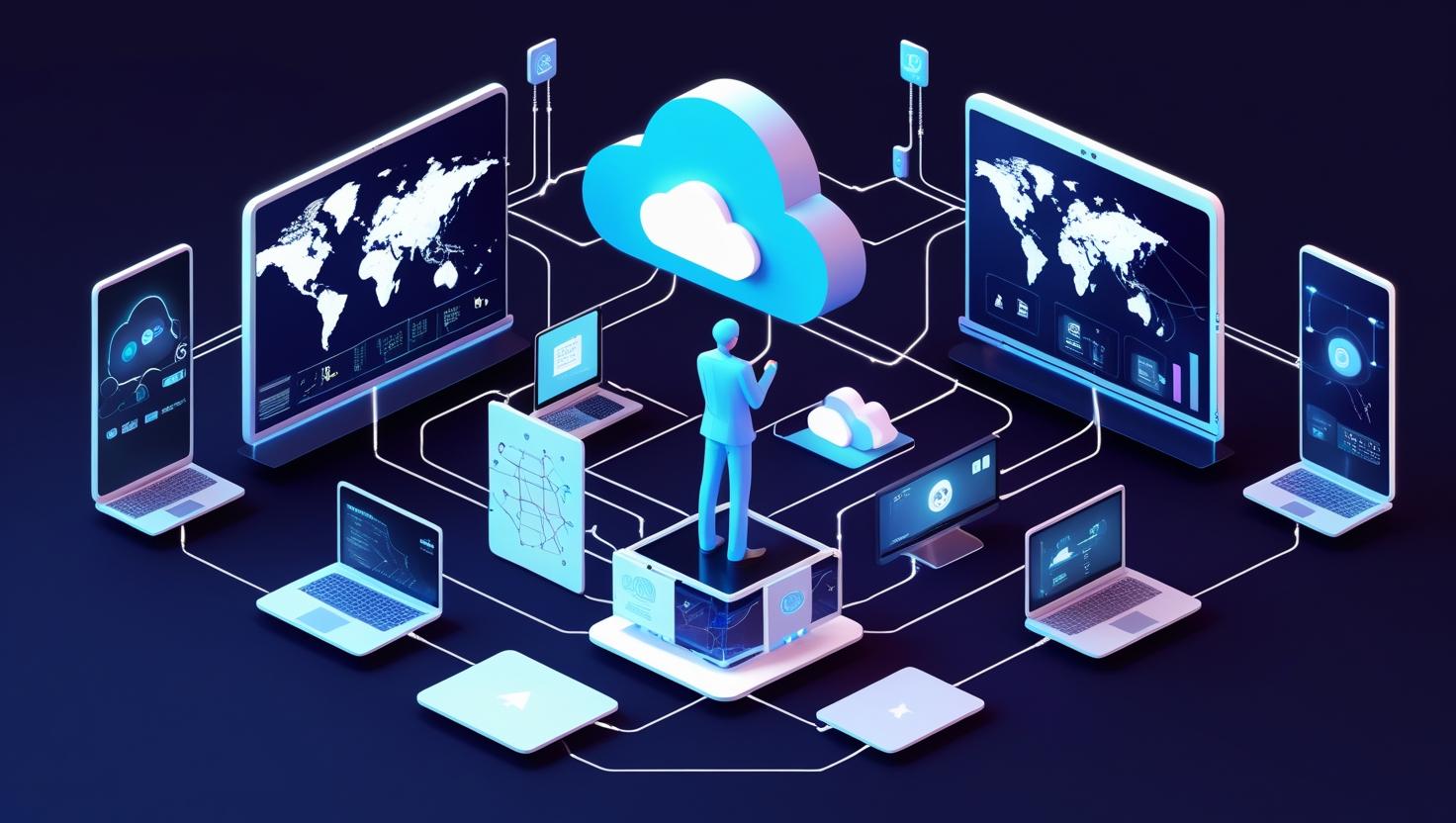
As organizations move deeper into the digital age, legacy systems are increasingly seen as roadblocks to growth, agility, and competitiveness. Businesses today operate in an environment where customer expectations evolve rapidly, data volumes grow exponentially, and security threats are ever-present. Traditional on-premises infrastructures, with their rigid capacity limits and costly maintenance requirements, often struggle to keep up with these demands.
This is where cloud migration emerges as a cornerstone of modernization strategies in 2025. By shifting legacy workloads to cloud platforms, enterprises are not only cutting costs but also gaining the flexibility to scale dynamically, integrate emerging technologies, and drive innovation at a pace that traditional systems simply cannot match. Cloud adoption is no longer just a technology upgrade—it is a strategic move that redefines how businesses deliver value, collaborate, and prepare for the future.
From financial services firms seeking greater resilience, to retailers enhancing digital experiences, to manufacturers optimizing supply chains, cloud migration is enabling organizations across industries to transform their operations. However, the journey to the cloud is not without complexity. It requires careful planning, a clear strategy, and a roadmap that balances immediate business needs with long-term scalability and compliance.
-
Why Cloud Migration Matters
- Cost efficiency – Pay-as-you-go models reduce infrastructure costs.
- Scalability – Easily scale resources up or down based on demand.
- Security – Built-in compliance and monitoring features..
- Innovation – Access to AI, big data, and advanced analytics tools..
Cloud Migration Roadmap
- Cloud Readiness Assessment
- Evaluate existing systems for compatibility.
- Identify dependencies and potential risks.
- Choosing the Right Cloud Strategy
- Lift and Shift (Rehosting) – quick wins.
- Replatforming – moderate changes for better optimization.
- Re-architecture – redesigning for long-term scalability.
- Execution and Testing
- Pilot migrations to test feasibility.
- Validate performance, security, and cost savings.
- Optimization and Governance
- Implement monitoring tools for cost and performance.
- Ensure compliance with data protection regulations.
Hybrid and Multi-Cloud Considerations
- Many businesses adopt hybrid models to keep sensitive data on-premises while leveraging cloud for scalability.
- Multi-cloud approaches prevent vendor lock-in and optimize performance.
Once workloads are migrated to the cloud, businesses often look to microservices as the next logical step to unlock agility and scalability.
Microservices as the Core of Modern Architecture
In today’s digital-first economy, speed, flexibility, and resilience define competitive advantage. Traditional monolithic applications, while once sufficient, often act as bottlenecks in meeting evolving customer and market demands. This is where microservices emerge as a game-changer. By breaking down applications into smaller, independent, and loosely coupled services, businesses gain the ability to develop, deploy, and scale functionality at an unprecedented pace. Instead of being locked into a rigid structure where a single change can disrupt the entire system, organizations can adopt a modular approach that mirrors the agility of modern business.
Microservices don’t just reshape technology—they reshape how teams collaborate, innovate, and respond to change. They serve as the backbone of modern system architecture, enabling companies to build digital ecosystems that are scalable, fault-tolerant, and future-ready. For organizations seeking to bridge legacy systems with next-generation platforms, microservices provide the architectural freedom to adapt without the risk of starting from scratch.
-
Benefits of Microservices
- Agility – Pay-as-you-go models reduce infrastructure costs.
- Independent Deployment – Teams can work on services independently.
- Scalability – Built-in compliance and monitoring features.
- Fault Tolerance – Access to AI, big data, and advanced analytics tools.
-
Practical Outcomes
- 75% reduction in deployment time (Moldstud).
- 40% decrease in downtime due to better observability.
- Faster innovation cycles and improved user experience.
-
Challenges
- Requires advanced DevOps culture.
- Complex monitoring and observability.
- Higher initial setup cost compared to traditional systems.
While microservices power scalability, their true strength is unlocked when combined with API-driven development, which allows seamless communication between old and new systems.
API-Driven Development and Seamless Integration
APIs have become the backbone of digital transformation, serving as the critical link between traditional legacy systems and modern, agile applications. In a world where businesses cannot afford to discard years of data, processes, and infrastructure, APIs provide a practical pathway to modernization by enabling secure, efficient, and flexible connections across disparate systems. Unlike one-off integrations or costly re-platforming, an API-driven approach empowers organizations to extend the life of existing assets while unlocking new capabilities. By treating APIs not as technical afterthoughts but as strategic assets, businesses can build scalable ecosystems that foster innovation, enhance customer experiences, and ensure future readiness in an increasingly interconnected digital economy.
Role of APIs in Modernization
The true power of APIs lies in their ability to transform outdated, siloed systems into agile, interconnected platforms. By acting as a bridge, APIs not only enable legacy applications to communicate with modern technologies but also open the door to interoperability across diverse ecosystems. This adaptability ensures businesses are not locked into outdated infrastructures but are instead positioned to seamlessly integrate emerging tools, services, and innovations as they arise. In this way, APIs are more than connectors—they are enablers of long-term modernization and future growth.
- Integration– Bridge legacy and modern systems.
- Interoperability– Connect with third-party services and ecosystems.
- Future readiness– Enable rapid adoption of emerging technologies.
-
Benefits
- Faster time-to-market for new features.
- Flexibility in adopting SaaS tools and platforms.
- Support for omnichannel experiences (web, mobile, IoT).
-
API-First Ecosystem
- Building with APIs at the core rather than as add-ons.
- Supports continuous innovation and agile development.
APIs open the door to innovation, but true modernization also requires embracing next-generation trends like containerization, automation, and AI to sustain long-term competitiveness.
Trends Shaping Legacy Modernization in 2025
Legacy modernization in 2025 is no longer about simply updating outdated systems—it’s about reimagining how technology can drive agility, resilience, and long-term business growth. As enterprises face increasing pressure from digital-first competitors, customer expectations, and rapidly shifting markets, modernization strategies are evolving to keep pace. Today’s landscape is defined by cloud-native architectures, automation, and security-centric practices that transform rigid, monolithic systems into flexible, scalable ecosystems. What makes modernization particularly dynamic in 2025 is the convergence of multiple forces: containerization streamlining deployment, DevOps accelerating delivery, AI automating critical processes, and security frameworks being embedded from the ground up. Together, these trends are reshaping not only the “how” of modernization but also the speed and scale at which businesses can innovate and adapt.
Key Trends
- Containerization with Kubernetes– ensuring portability and scalability of services.
- DevOps and CI/CD pipelines– accelerating release cycles and improving quality.
- AI-driven automation– intelligent code refactoring, automated testing, and monitoring.
- Security-first modernization– integrating zero-trust and advanced encryption from day one.
- Data-driven modernization– leveraging analytics to prioritize modernization pathways.
While these trends provide a clear picture of where legacy modernization is headed, they are not a guarantee of success on their own. True transformation requires more than adopting the latest tools or following market shifts—it depends on disciplined execution, thoughtful planning, and a strong alignment between technology initiatives and business objectives. Organizations must consider not only how to integrate emerging solutions like AI, DevOps, or containerization, but also how to manage change across people, processes, and culture. Without a strategic roadmap and best practices to guide the journey, modernization efforts risk becoming fragmented, costly, or disruptive. As we move forward, we will explore the proven approaches and guiding principles that help businesses turn modernization strategies into lasting value, ensuring resilience, scalability, and sustained competitive advantage.
Best Practices & Strategic Recommendations
Modernizing legacy systems is not simply a technical project—it is a business transformation initiative that requires precision, foresight, and discipline. While emerging technologies and industry trends shape the direction of modernization, their true impact is realized only when organizations adopt structured best practices and well-defined strategies. Many modernization programs fail not because of inadequate technology, but due to poor planning, lack of alignment among stakeholders, and insufficient focus on cultural change. To succeed, businesses must view modernization as a holistic journey that balances innovation with stability, speed with governance, and short-term wins with long-term sustainability. In this section, we outline the core best practices and actionable strategic recommendations that ensure modernization efforts deliver measurable value, minimize risk, and pave the way for future scalability and competitiveness.
Key Best Practices
- Stakeholder Alignment
- Engage business leaders, IT, and end-users from the start.
- Phased Rollouts
- Mitigate risk by modernizing in stages.
- Data Integrity & Governance
- Ensure accurate migration and compliance.
- Training & Cultural Change
- Upskill teams for cloud, DevOps, and new architectures.
- Continuous Monitoring
- Use observability and AIOps for proactive issue resolution.
- Strategic Recommendations
- Start small with pilot projects before scaling.
- Combine cloud, microservices, and APIs for holistic modernization.
- Prioritize security and compliance at every stage.
With these practices in place, modernization efforts don’t just update systems—they transform business operations. Let’s close by understanding the broader business impact.
Conclusion
Legacy system modernization is more than a technical upgrade—it’s a strategic enabler of business transformation. By embracing cloud migration, microservices, API-first ecosystems, and automation, businesses can achieve:
- Greater efficiency through reduced operational costs.
- Improved scalability to handle growing workloads.
- Stronger security and compliance for future challenges.
- Enhanced agility to innovate and adapt faster than competitors.
In 2025, organizations that continue relying on outdated systems risk stagnation. Those that embrace modernization position themselves for growth, resilience, and competitive advantage in the digital-first economy.
FAQs
Legacy system modernization is one of the most pressing priorities for businesses in 2025. Organizations that rely on decades-old software, outdated infrastructure, or rigid applications often face roadblocks to innovation, scalability, and security. While these systems may have once been the backbone of operations, today they create inefficiencies, limit integration with modern platforms, and expose enterprises to heightened cybersecurity risks.
In a rapidly evolving digital landscape where customer expectations, regulatory requirements, and technological breakthroughs are advancing in parallel, businesses cannot afford to remain stagnant. Modernization is not simply about replacing the old with the new—it’s about future-proofing an organization so it can compete, innovate, and thrive.
What Are Legacy Systems?
A legacy system refers to an older application, software framework, or IT infrastructure that continues to function but no longer meets current technological or business needs. These systems:
- Run on outdated programming languages (e.g., COBOL, Pascal, VB6).
- Depend on hardware no longer supported by vendors.
- Are difficult (and costly) to maintain.
- Lack integration with modern platforms such as cloud, APIs, and mobile.
A large bank may still use a COBOL-based mainframe to process transactions. While reliable, these systems struggle to integrate with mobile banking apps or AI-driven fraud detection tools.
Why Modernization Matters in 2025
1. Competitive Pressure
Companies that fail to modernize are left behind by rivals embracing AI, cloud, and automation. For instance, e-commerce platforms using microservices architecture can roll out new features weekly, while legacy-bound competitors may take months.
2. Security Risks
Legacy systems often lack encryption, zero-trust frameworks, or vendor security patches. In 2025, where cyber threats are more sophisticated, outdated software becomes a liability.
(Example: In 2023, several healthcare providers in the US reported breaches due to unpatched legacy systems that couldn’t support modern security updates.)
3. Regulatory Compliance
Industries like finance, healthcare, and telecom face increasingly strict compliance rules (e.g., GDPR, HIPAA, PCI DSS). Modern systems are designed with compliance in mind; legacy systems make audits and reporting cumbersome.
4. Operational Efficiency
Modern platforms automate manual processes, enable real-time analytics, and scale on demand. Legacy systems, in contrast, require heavy manual intervention and specialized staff—costly in both time and resources.
5. Future-Readiness
Modernized systems enable rapid adoption of emerging technologies like generative AI, blockchain, and IoT. Legacy platforms rarely support such integrations, effectively blocking innovation.
(Suggested infographic: A timeline of modernization drivers—1990s (Y2K concerns), 2010s (cloud adoption), 2020s (AI-driven modernization).)
Types of Modernization Approaches
1. Rehosting (“Lift and Shift”)
Moving applications from on-premises to cloud without altering code.
- Pros: Quick, cost-effective.
- Cons: Doesn’t unlock full cloud-native benefits.
2. Refactoring
Rewriting parts of the code to improve performance and compatibility with modern frameworks.
Pros: More efficient than full rebuilds.
Cons: Can be complex for large applications.
3. Replatforming
Migrating applications to a new runtime platform (e.g., from legacy servers to Kubernetes containers).
Pros: Balances cost and benefits.
4. Replacing
Phasing out outdated systems and building/buying modern alternatives.
Pros: Enables maximum innovation.
Cons: High initial investment.
Case Study: Netflix’s Transition to the Cloud
Netflix once operated its own data centers but faced scalability bottlenecks. By modernizing and fully embracing AWS cloud infrastructure, it achieved global scale, rapid feature rollouts, and high availability.
This example demonstrates how modernization isn’t just about technology—it’s about enabling a business model shift.
Challenges in Legacy Modernization
- Cost and Budgeting – Initial modernization costs may be high, even though long-term savings are significant.
- Downtime Risks – Migration without planning can cause disruptions.
- Skill Gaps – Older staff may be unfamiliar with cloud-native and DevOps tools.
- Cultural Resistance – Employees may resist changes to workflows.
- Data Migration Complexity – Moving decades of business-critical data requires careful planning to avoid loss or corruption.
Best Practices for Success
- Start Small with Pilots – Test modernization on non-critical apps before scaling.
- Stakeholder Buy-in – Align leadership, IT teams, and end-users from the start.
- Focus on Security – Embed zero-trust, encryption, and compliance controls early.
- Phased Rollouts – Avoid “big bang” migrations.
- Upskilling Programs – Train employees on new technologies like Kubernetes, DevOps, and AI tools.
Looking Ahead: The Future of Modernization
In 2025 and beyond, modernization will be shaped by:
- AI-driven code refactoring (self-healing, automated testing).
- Low-code/no-code platforms (empowering non-technical staff).
- Cloud-native ecosystems (containers, serverless computing).
- Phased Rollouts – Avoid “big bang” migrations.
- Cybersecurity by design (zero-trust baked into every layer).
Conclusion
Legacy system modernization is no longer a question of “if” but “how fast.” For organizations in 2025, the decision to modernize is tied directly to competitiveness, resilience, and long-term survival. By approaching modernization strategically—whether through rehosting, refactoring, or complete replacement—businesses can unlock agility, enhance security, reduce costs, and set themselves up for the innovations of tomorrow.
In today’s digital-first economy, modernization is no longer an optional upgrade—it’s a business imperative. Yet many organizations hesitate, delaying modernization efforts due to concerns about cost, disruption, or fear of change. While such hesitation is understandable, postponing modernization carries far greater risks. Legacy systems may feel “stable” in the short term, but the hidden costs, operational bottlenecks, and security vulnerabilities they impose can cripple businesses over time. In this article, we’ll explore the risks of delaying modernization, illustrate them with real-world examples, and outline how businesses can mitigate these risks before it’s too late.
1. Rising Maintenance Costs: The Hidden Financial Drain
Legacy systems often require specialized skills and outdated hardware to function. As time goes on, these resources become scarce and expensive.
- Example: A U.S. government agency once spent nearly 80% of its IT budget maintaining legacy systems rather than innovating. This “technical debt” left little room for digital transformation.
- Impact: Every dollar spent on patching old systems is a dollar not invested in growth or innovation.
2. Security Vulnerabilities and Compliance Risks
Older systems often lack robust security updates, making them prime targets for cybercriminals.
- Example: The infamous WannaCry ransomware attack in 2017 spread rapidly because thousands of organizations were still using outdated Windows XP systems.
- Regulatory Risks: Non-compliance with modern data protection laws (like GDPR or HIPAA) can lead to hefty fines and reputational damage.
3. Incompatibility with Modern Technologies
Modern business thrives on cloud platforms, APIs, and data-driven insights. Legacy systems struggle—or outright fail—to integrate with these technologies.
- Example: A retail chain unable to sync its legacy POS system with modern e-commerce platforms lost significant online sales opportunities during peak shopping seasons.
- Impact: Businesses risk being left behind as competitors leverage AI, automation, and cloud-native solutions.
4. Reduced Agility and Slow Time-to-Market
Legacy systems often require extensive manual processes, making businesses less responsive to market changes.
- Scenario: Imagine a fintech startup releasing new features weekly while a traditional bank, bogged down by outdated core banking software, takes months for updates.
- Result: Customers quickly migrate to the more agile competitor.
5. Declining User and Customer Experience
Customers expect fast, intuitive, and seamless digital experiences. Legacy systems often provide the opposite.
- Internal Impact: Employees working with outdated systems face inefficiency and frustration, reducing productivity.
- External Impact: Customers confronted with slow, clunky interfaces may switch to competitors offering sleek apps and real-time support.
6. Talent and Skills Shortages
As older technologies fade, so too does the workforce trained to maintain them.
- Challenge: Recruiting COBOL programmers today is difficult and expensive.
- Business Impact: If key personnel retire or leave, critical systems risk collapsing without proper support.
7. Loss of Competitive Advantage
Ultimately, delaying modernization means falling behind in the race for innovation.
- Competitors who embrace AI, analytics, and cloud technologies gain faster insights, reduce costs, and attract digitally savvy customers.
- Businesses stuck in legacy systems become irrelevant, no matter how strong their past performance.
Conclusion
Delaying modernization may feel like avoiding risk, but in reality, it multiplies risks across cost, security, compliance, customer experience, and competitiveness. The longer an organization waits, the harder—and more expensive—the transition becomes. The choice is clear: businesses can either invest in modernization proactively or pay the much steeper price of disruption, breaches, and lost market relevance later.
Legacy system modernization has become a cornerstone of digital transformation, especially for enterprises balancing long-standing infrastructure with the need to innovate rapidly. Among the various enablers of modernization, Application Programming Interfaces (APIs) stand out as the glue that connects the old and the new, allowing businesses to innovate without having to rebuild everything from scratch. APIs act as a bridge, unlocking legacy data and functionality while integrating seamlessly with modern platforms, cloud-native applications, and third-party services. In short, APIs enable organizations to move forward strategically, without being trapped by the weight of outdated systems.
Why Legacy Systems Still Matter
Before exploring the role of APIs, it’s important to recognize why legacy systems continue to exist. Industries such as banking, healthcare, manufacturing, and government often rely on decades-old mainframes and enterprise software. These systems:
- Contain critical business logic developed over years.
- Manage sensitive and valuable data.
- Provide reliability and stability that modern systems sometimes struggle to match.
However, legacy systems also bring limitations: high maintenance costs, limited scalability, security risks, and difficulty in integrating with cloud and mobile platforms. APIs emerge as a practical solution that extends the usefulness of these systems while paving the way for modernization.
APIs as the Modernization Bridge
At their core, APIs allow different software systems to communicate using standardized protocols. In legacy modernization, APIs are the gateway through which modern services can interact with older systems.
For example:
- A retail company may expose its inventory data stored in a legacy database via an API to a modern e-commerce platform.
- A bank can connect its core mainframe system to mobile banking apps without rewriting the entire backend.
By encapsulating legacy functionality behind APIs, organizations preserve their investments while introducing new capabilities.
Key Roles APIs Play in Modernization
1. Integration with Modern Systems
Legacy systems rarely “speak” the same language as cloud-native apps or SaaS tools. APIs make integration possible by translating data formats, workflows, and protocols into modern, consumable services.
Example: A hospital can expose patient records from a legacy EMR system via APIs to integrate with telemedicine platforms, improving patient care without replacing the EMR.
2. Enabling Interoperability
Modern ecosystems thrive on collaboration. APIs provide a standard way to connect not just internally but also with partners, third-party apps, and external ecosystems.
Example: A logistics company can expose shipment tracking APIs that integrate with e-commerce giants like Amazon or Shopify, creating a smooth customer experience.
3. Future Readiness
APIs future-proof legacy systems by enabling rapid adoption of emerging technologies such as AI, IoT, or blockchain. Instead of overhauling infrastructure, companies can plug new tools into existing systems.
Example: Manufacturing companies can connect IoT sensors to legacy ERP systems via APIs to monitor machine health and predict failures, enhancing efficiency.
4. Data Unlocking
Much of the value in legacy systems lies in their data, often siloed and inaccessible. APIs expose this data in structured formats (JSON, XML, etc.) that modern analytics platforms can process.
Example: A bank can leverage APIs to feed legacy transaction data into advanced analytics systems for fraud detection powered by AI.
5. Incremental Modernization
Instead of a disruptive “rip and replace,” APIs support a phased modernization strategy. Businesses can modernize one module at a time by wrapping legacy systems with APIs, enabling coexistence with new microservices.
Example: Airlines have modernized their booking and check-in systems by gradually exposing APIs while still running core reservation engines on mainframes.
Benefits of Using APIs in Modernization
- Cost Efficiency: Reuse existing systems instead of replacing them.
- Scalability: APIs allow scaling modern components independently while legacy remains stable.
- Speed of Innovation: New features can be added quickly without disrupting legacy backends.
- Reduced Risk: APIs act as an abstraction layer, shielding legacy systems from direct change.
- Business Continuity: Companies can innovate without downtime, ensuring customer satisfaction.
Challenges and Considerations
While APIs are powerful, implementing them in legacy environments isn’t without challenges:
- Security Risks: Exposing APIs can create vulnerabilities if not protected with modern authentication (OAuth2, JWT, Zero Trust).
- Performance Bottlenecks: Legacy systems may not handle high API call volumes without optimization.
- Governance Issues: APIs require management platforms for monitoring, versioning, and lifecycle governance.
- Cultural Resistance: Teams accustomed to traditional monoliths may resist adopting API-first strategies.
Organizations must combine API enablement with strong governance, security, and training to succeed.
Real-World Examples
- Banking: Open Banking regulations in Europe forced banks to expose APIs, enabling fintechs to innovate and improve customer experiences while banks still relied on legacy cores.
- Retail: Walmart leveraged APIs to connect its old ERP systems with new mobile apps, ensuring customers had real-time stock visibility.
- Healthcare: APIs are used to integrate legacy EHRs with patient-facing mobile apps, telehealth services, and wearables.
Conclusion
APIs are more than just technical connectors—they are strategic enablers of modernization. They empower businesses to preserve the value of their legacy systems while unlocking new opportunities in cloud, AI, and digital services. By bridging the past and the future, APIs allow organizations to innovate at speed, scale with confidence, and evolve without disruption.
In essence, APIs ensure that modernization isn’t a risky, all-or-nothing gamble but a practical, phased journey toward business transformation.
Modernization often feels like a huge undertaking—costly, disruptive, and time-intensive. For this reason, many organizations delay it, choosing instead to “make do” with systems that have been in place for decades. But while the status quo may feel safer in the short term, not modernizing legacy systems carries far greater risks in the long run. These risks range from escalating maintenance costs and increasing cybersecurity vulnerabilities to missed business opportunities and eventual system obsolescence.
Below, we explore these risks in depth, supported by real-world examples and practical insights, to highlight why delaying modernization is no longer a viable option.
1. Escalating Maintenance Costs
Legacy systems require specialized skills, hardware, and support resources that are increasingly rare and expensive. As technologies age, fewer professionals remain capable of maintaining them, driving labor costs up. Additionally, outdated infrastructure often relies on expensive licensing models or requires costly replacement parts.
- Example: A U.S. bank reported spending nearly 75% of its IT budget just on maintaining mainframe systems, leaving little room for innovation. Over time, these costs become unsustainable compared to the potential ROI of modern, cloud-native alternatives.
- Takeaway: Organizations that fail to modernize will find themselves trapped in a cycle where IT spending increases, yet value delivered remains stagnant.
2. Cybersecurity Vulnerabilities
Legacy systems are often the weakest link in an organization’s security posture. They may lack patches, modern encryption standards, or compliance with evolving regulations like GDPR or HIPAA. Cybercriminals frequently target these systems because they’re easier to exploit.
- Example: The 2017 WannaCry ransomware attack exploited vulnerabilities in outdated versions of Windows, crippling healthcare organizations in the UK’s NHS that were still using unsupported systems.
- Takeaway: Delaying modernization directly exposes organizations to growing cyber threats, with potential costs far exceeding the investment in upgrades.
3. Compliance and Regulatory Risks
Industries like finance, healthcare, and government operate under strict compliance requirements. Legacy systems may not meet modern audit, reporting, or data protection standards, resulting in fines or loss of operating licenses.
- Example: In 2020, a European financial services firm was fined millions because its outdated IT systems failed to meet updated PSD2 (Payment Services Directive 2) requirements.
- Takeaway: Non-modernized systems can make compliance nearly impossible, risking both financial penalties and reputational damage.
4. Limited Scalability and Flexibility
Legacy systems are often monolithic, meaning they can’t scale on demand to support growth. They limit innovation by making it difficult to integrate emerging technologies like AI, machine learning, or IoT.
- Example: A global retailer stuck with a COBOL-based inventory system struggled to launch an e-commerce platform quickly during the pandemic, losing market share to competitors who had modern cloud systems in place.
- Takeaway: Non-modernized systems can make compliance nearly impossible, risking both financial penalties and reputational damage.
5. Declining Employee Productivity
Older systems typically lack user-friendly interfaces, automation, and mobility support. Employees are forced to spend more time on manual processes, reducing productivity and morale.
- Example: In one insurance company, agents had to input client data into three separate legacy systems. This not only wasted time but also increased the risk of errors, affecting customer satisfaction.
- Takeaway: Without modernization, employee inefficiency becomes an everyday cost, compounding over years.
6. Customer Experience Degradation
Customers expect seamless, digital-first interactions. Legacy systems make it harder to deliver personalized, real-time services across web, mobile, and social platforms.
- Example: When a bank couldn’t launch mobile check deposit because of legacy core banking software, it lost younger customers to fintech startups offering modern digital experiences.
- Takeaway: Modernization isn’t just about internal efficiencies—it’s also critical to meeting evolving customer expectations.
7. System Obsolescence and Vendor Abandonment
Vendors eventually stop supporting old technologies. When this happens, organizations face “end-of-life” systems that cannot be maintained or integrated. This creates an existential risk if critical business operations depend on them.
- Example: The U.S. government spent billions maintaining systems reliant on outdated programming languages like COBOL, with limited workforce availability to sustain them.
- Takeaway: Without modernization, organizations risk running mission-critical operations on obsolete systems that may one day simply fail.
Opportunity Costs
The hidden cost of legacy systems isn’t just in what they drain, but what they prevent. Opportunities for automation, real-time analytics, and customer-centric innovation are missed when organizations are weighed down by outdated technology.
- Example: While some logistics companies leveraged predictive analytics to optimize supply chains, competitors stuck with legacy ERP systems missed out, suffering higher operational costs and slower deliveries.
- Takeaway: Inaction on modernization is essentially a decision to forfeit future opportunities.
Conclusion: A Costly Status Quo
The risks of not modernizing legacy systems are far greater than the costs or disruption of modernization itself. Organizations that resist change face mounting expenses, growing security threats, regulatory challenges, declining competitiveness, and ultimately, irrelevance.
Modernization should no longer be viewed as optional—it’s a strategic necessity. Businesses that act now can future-proof operations, enhance customer experiences, and unlock new opportunities. Those that delay risk being left behind in an increasingly digital-first economy.
Modernizing legacy systems is rarely a straightforward task. It requires balancing the preservation of mission-critical business functions with the adoption of new, agile technologies. Many companies fail not because they lack resources, but because they underestimate the complexity of the process. Best practices serve as a guiding framework, helping organizations modernize with confidence, reduce risk, and maximize long-term value.
This article explores the best practices for successful legacy system modernization, with detailed insights into stakeholder alignment, phased rollouts, data governance, training, cultural change, and continuous monitoring. These principles, when strategically applied, create a roadmap for sustainable transformation.
1. Stakeholder Alignment: Building Consensus Early
One of the most common reasons modernization projects falter is a lack of alignment among stakeholders. Business leaders, IT teams, and end-users often have different priorities:
- Business leaders care about costs, ROI, and competitive advantage.
- IT teams focus on performance, integration, and technical feasibility.
- End-users prioritize usability and efficiency.
Successful modernization begins by bringing these perspectives together. This alignment should happen before major decisions are made. For instance, if the business pushes for rapid cloud adoption but IT identifies gaps in integration capabilities, the project risks costly delays.
Practical steps include workshops, requirement-gathering sessions, and creating cross-functional steering committees. By setting a shared vision early, organizations minimize conflict later and ensure modernization delivers value across all levels of the business.
2. Phased Rollouts: Minimizing Risk Through Incremental Change
A common mistake is attempting a “big bang” approach—replacing all legacy systems at once. This strategy often overwhelms teams, disrupts operations, and magnifies risks. Instead, phased rollouts offer a safer path.
Phased rollouts involve breaking modernization into manageable stages:
- Begin with non-critical systems or pilot projects to validate methods and technologies.
- Scale gradually to core systems, learning from earlier phases.
- Continuously measure outcomes before expanding further.
For example, a bank modernizing its core infrastructure might start with customer-facing apps before migrating critical transaction systems. This staged approach limits disruption and allows for course correction at every step.
3. Data Integrity & Governance: Protecting the Crown Jewel
Data is the lifeblood of any organization, and legacy modernization puts it at risk. Without robust governance, companies face issues such as corrupted migrations, compliance violations, and inconsistent reporting.
Best practices in data governance include:
- Data cleansing and preparation before migration.
- Validation mechanisms to ensure accuracy post-migration.
- Compliance checks to meet regulatory standards (e.g., GDPR, HIPAA).
- Role-based access controls to secure sensitive information.
For example, in healthcare modernization, even a small error in migrating patient records could lead to life-threatening consequences. Proper governance frameworks protect against these risks and build trust in the new systems.
4. Training and Cultural Change: Empowering the Workforce
Modernization isn’t only about technology; it’s about people. The best cloud platform or DevOps pipeline is useless if employees aren’t equipped to use it effectively. Many modernization initiatives stumble because organizations underestimate the scale of cultural change required.
Best practices here involve comprehensive training programs that address both technical and cultural aspects:
- Technical upskilling: Developers, system admins, and analysts need training on cloud-native tools, APIs, and automation.
- Cultural adaptation: Teams must embrace agile, collaborative ways of working, moving away from siloed, hierarchical structures.
- Ongoing support: Beyond initial training, companies should create a culture of continuous learning through workshops, certifications, and peer mentoring.
Amazon Web Services (AWS), for instance, emphasizes training as a pillar of successful cloud adoption. Enterprises that invest in workforce readiness report smoother transitions and higher adoption rates.
5. Continuous Monitoring: Sustaining Long-Term Success
Modernization doesn’t end at deployment. Once new systems are live, continuous monitoring ensures performance, security, and cost efficiency. Observability tools, combined with AI-driven operations (AIOps), allow organizations to detect anomalies early and resolve them proactively.
This involves:
- Application performance monitoring (APM): Tracking response times, uptime, and resource usage.
- Security monitoring: Identifying vulnerabilities, breaches, or compliance gaps in real time.
- Cost monitoring: Ensuring cloud resources and infrastructure remain optimized.
For example, a retailer modernizing its e-commerce platform may use real-time dashboards to monitor customer traffic spikes during holiday sales. Proactive monitoring ensures the system scales without downtime, protecting both revenue and reputation.
6. Strategic Alignment with Business Goals
Best practices aren’t just about the technical process—they must also tie back to business outcomes. Every modernization decision should answer questions like:
- How does this reduce costs or increase efficiency?
- Will it improve customer experience?
- Does it create competitive differentiation?
Companies that treat modernization as a business initiative, not just an IT upgrade, are the ones that achieve lasting success.
Conclusion: Best Practices as the Foundation of Modernization
Legacy system modernization is a marathon, not a sprint. While new technologies like cloud, microservices, and APIs often take the spotlight, success ultimately hinges on how organizations apply best practices. Stakeholder alignment ensures shared vision, phased rollouts reduce risks, data governance protects critical assets, training drives adoption, and continuous monitoring sustains long-term performance.
When modernization is guided by these principles, it ceases to be a disruptive burden and instead becomes a transformative force—future-proofing the organization while unlocking innovation, agility, and competitive advantage.
Modernizing legacy systems is one of the most pressing priorities for businesses today. Whether it’s migrating to the cloud, adopting microservices, or integrating APIs, modernization unlocks scalability, agility, and efficiency. Yet, beneath the surface of these benefits lies one of the most significant challenges: ensuring data integrity and maintaining compliance. Without these safeguards, modernization efforts can falter, exposing organizations to costly risks, reputational damage, and regulatory penalties.
Why Data Integrity Matters in Modernization
Data is the lifeblood of modern enterprises. From customer records to financial transactions, accurate and reliable data powers decision-making, operations, and innovation. During system modernization, vast amounts of data are migrated, transformed, or restructured. At this stage, even the smallest errors can ripple across business processes.
For example:
- A retail business migrating customer records risks misaligned purchase histories, leading to poor customer experiences.
- A healthcare provider transferring patient data must prevent duplication or loss to comply with HIPAA and safeguard patient trust.
- A bank upgrading to a new core system must ensure account balances, transactions, and compliance records remain precise.
Without robust data integrity measures, modernization projects can not only stall but also threaten the business’s continuity and credibility.
Compliance as a Parallel Priority
Beyond accuracy, organizations must ensure that modernization efforts adhere to compliance standards. Regulations vary by industry:
- Healthcare must comply with HIPAA, GDPR, or local health data laws.
- Finance faces mandates like PCI DSS, SOX, and Basel III.
- Retail and e-commerce must secure customer data in line with GDPR or CCPA.
Failing to comply during or after modernization can result in legal penalties, customer lawsuits, and long-term damage to brand trust. Compliance isn’t a one-time check; it’s a continuous process that must be baked into every stage of modernization.
Key Strategies to Ensure Data Integrity and Compliance
1. Conduct Comprehensive Data Audits Before Migration
Modernization should begin with a clear understanding of the current state of data. Organizations must:
- Identify data sources across legacy systems.
- Detect redundancies, inaccuracies, or incomplete records.
- Classify sensitive data (e.g., personal identifiers, financial details, health records).
A pre-modernization audit not only sets a baseline but also helps prioritize which data needs stricter handling.
2. Adopt a Governance Framework
Data governance provides a structured approach to managing data throughout its lifecycle. Companies should:
- Define data ownership—assigning accountability to teams or individuals.
- Establish data quality standards for accuracy, completeness, and timeliness.
- Implement access controls to ensure only authorized users can modify sensitive data.
For instance, a financial institution migrating customer transaction histories might enforce role-based access controls, ensuring only compliance officers and select IT staff can handle sensitive records.
3. Leverage Data Validation and Cleansing Tools
Before migration, data must be validated to ensure correctness. Validation includes checks for consistency, format, and logic. For example:
- Ensuring email fields contain valid addresses.
- Verifying financial transactions balance correctly.
- Cross-checking patient identifiers in healthcare databases.
Modern data tools can automatically detect anomalies, cleanse incorrect values, and flag records requiring manual review. This step reduces the risk of migrating corrupted or incomplete datasets.
4. Encrypt Data During Transit and Storage
Security is a cornerstone of both integrity and compliance. Organizations should:
- Encrypt sensitive data when moving it from legacy systems to new environments.
- Apply strong encryption protocols (e.g., AES-256) to stored data.
- Regularly rotate encryption keys to minimize risk of breaches.
In regulated industries, encryption is often a mandated requirement. For instance, GDPR specifies that personal data must be protected using “state-of-the-art” encryption techniques.
5. Implement Continuous Monitoring and Auditing
Post-migration, companies must ensure ongoing oversight. This involves:
- Real-time monitoring of data access and modifications.
- Automated alerts for unauthorized activities.
- Regular audits to validate compliance with industry standards.
By integrating observability and AI-driven anomaly detection tools, businesses can identify suspicious activity—such as unusual login attempts or bulk data exports—before they escalate into serious breaches.
6. Align with Regulatory Bodies and Compliance Frameworks
Compliance is not guesswork. Companies should align modernization efforts with industry-standard frameworks such as:
- ISO 27001 for information security.
- NIST Cybersecurity Framework for managing cyber risks.
- COBIT for governance and compliance in IT.
Engaging external compliance consultants or auditors early in the process can further reduce risks and ensure modernization efforts remain audit-ready.
7. Prioritize Cultural and Process Change
Technology alone cannot guarantee data integrity and compliance—people and processes play a vital role. Companies should:
- Train employees on data handling best practices and regulatory requirements.
- Promote a “compliance-first” culture across departments.
- Ensure cross-functional collaboration between IT, compliance officers, and business leaders.
For example, in a healthcare organization, both doctors and IT staff must understand the importance of secure handling of electronic health records during modernization.
Real-World Example: A Bank’s Core System Upgrade
Consider a mid-sized bank upgrading from a 30-year-old mainframe to a modern cloud-native core banking system. The bank:
- Conducted a data audit to identify incomplete account records.
- Implemented governance policies for transaction data.
- Encrypted all data during migration to comply with PCI DSS.
- Trained employees in new security protocols to ensure cultural alignment.
As a result, the bank not only preserved data accuracy but also passed regulatory inspections post-modernization, demonstrating compliance readiness.
The Business Impact of Getting It Right
When organizations successfully manage data integrity and compliance during modernization, the benefits extend beyond reduced risk. They gain:
- Customer trust through secure, reliable systems.
- Operational efficiency with clean, consistent data powering automation.
- Future-readiness by ensuring systems comply with evolving regulations.
On the flip side, neglecting these aspects can lead to migration failures, lawsuits, fines, and reputational damage that could take years to recover from.
Conclusion
Ensuring data integrity and compliance isn’t an afterthought in system modernization—it’s a foundation. By conducting thorough audits, establishing governance frameworks, validating and encrypting data, and fostering a compliance-driven culture, businesses can confidently modernize their systems without compromising trust or regulatory obligations.
In the digital age, modernization isn’t just about upgrading technology—it’s about building a future-ready enterprise where data remains accurate, secure, and compliant at every stage of transformation.
When companies think about legacy system modernization, the focus often falls on technologies—cloud platforms, APIs, microservices, and automation tools. Yet, while these are essential, modernization is as much about people and culture as it is about software and infrastructure. In fact, some of the most ambitious digital transformation programs fail not because the wrong technology was chosen, but because the organization itself was unprepared to embrace change. Ensuring cultural and organizational readiness is, therefore, one of the most critical foundations for successful legacy modernization.
This article explores what readiness means, the challenges organizations face, and the strategies that can help bridge the gap between old habits and future-proof innovation.
Understanding Cultural and Organizational Readiness
Cultural readiness refers to the mindset, openness, and adaptability of people within an organization toward embracing new technologies and processes. Organizational readiness, on the other hand, is about having the right structures, governance, and resources in place to execute change effectively.
When modernization is attempted without preparing these foundations, organizations risk resistance from employees, misaligned priorities across departments, and disruption to daily business. For instance, moving from an on-premise legacy ERP to a cloud-based solution isn’t just a technical migration—it also changes workflows, reporting structures, and even accountability. Employees who have been accustomed to a certain way of working for decades may feel threatened or left behind.
Thus, modernization is less about “replacing systems” and more about reprogramming the organization’s DNA—aligning culture, processes, and leadership with the new digital direction.
Common Barriers to Readiness
Before organizations can chart a way forward, they need to recognize the barriers that often hinder cultural and organizational alignment.
- Resistance to Change Legacy systems may be inefficient, but they are familiar. Many employees trust what they know, even if it’s outdated. Introducing new systems can create anxiety, particularly if staff fear automation might make their roles obsolete.
- Siloed Departments In many organizations, IT, operations, finance, and business units operate in silos. Modernization requires cross-functional collaboration, which is difficult if communication lines are weak or priorities are misaligned.
- Lack of Digital Skills Moving to cloud, DevOps, or API-driven ecosystems requires a skillset that not all teams possess. Without proper upskilling, employees may struggle to adopt new systems or rely excessively on external consultants.
- Leadership Gaps Change must start from the top. If executives don’t communicate a clear vision or fail to sponsor modernization actively, cultural buy-in across the organization falters.
Laying the Foundation for Readiness
To overcome these barriers, companies need to approach modernization holistically. The process is not only technical but also deeply human. Below are strategies to build cultural and organizational readiness.
1. Start with Clear Communication and Vision
Modernization efforts must be anchored in a clear “why.” Leaders should articulate not just the technical benefits but also how modernization improves the employee experience, customer satisfaction, and long-term competitiveness. Transparent communication—through town halls, newsletters, or dedicated project updates—reduces uncertainty and helps employees see modernization as an opportunity rather than a threat.
2. Involve Stakeholders Early
Rather than imposing new systems top-down, organizations should involve stakeholders at every level. Business leaders, IT staff, and end-users should have a voice in shaping modernization initiatives. This inclusivity creates a sense of ownership and reduces resistance. For example, when a retail chain modernized its POS systems, it conducted workshops with store managers to gather feedback on pain points, ensuring the final solution addressed real needs.
3. Invest in Upskilling and Reskilling
Technology without talent is ineffective. Training programs in cloud platforms, cybersecurity, API management, and DevOps practices equip employees with the tools to thrive in the new environment. Beyond technical training, organizations should also offer soft-skill workshops on adaptability, collaboration, and problem-solving. Some companies establish “digital academies” internally, ensuring continuous learning becomes part of the culture.
4. Foster a Culture of Innovation
Modernization is not a one-time event but an ongoing journey. To sustain it, organizations must encourage experimentation and reward innovation. Setting up cross-functional “innovation squads” or running pilot projects in controlled environments allows teams to test new technologies without fear of failure. This creates a culture where change is normalized.
5. Align Structures and Governance
Organizational readiness requires structural alignment. This may mean reorganizing teams to promote collaboration, adopting agile methodologies for delivery, or establishing governance frameworks that balance innovation with compliance. A global bank, for example, created a “Digital Transformation Office” to oversee modernization projects, ensuring alignment across IT and business functions.
6. Support Through Change Management Programs
Change management provides structured support during transitions. This includes providing training at the right stages, offering help desks for troubleshooting, and setting up feedback loops where employees can raise concerns. Successful modernization projects often appoint change champions—employees who act as advocates and mentors for their peers.
The Role of Leadership in Driving Readiness
Leadership commitment is non-negotiable. Modernization requires leaders to not only approve budgets but also model the behaviors they wish to see. Executives must show enthusiasm for digital tools, encourage collaboration across silos, and maintain open communication. When leaders visibly embrace modernization, it sends a powerful signal that change is not optional but central to the company’s strategy.
Moreover, leadership should set measurable goals for cultural and organizational readiness. For instance, instead of vague commitments to “increase adoption,” companies can set clear KPIs such as “80% of employees trained on the new system within six months” or “reduction of manual reporting processes by 40%.”
Case in Point: Organizational Readiness in Action
Consider a large manufacturing firm that decided to modernize its supply chain systems. Initially, employees resisted because the new system replaced manual approvals with automated workflows. Recognizing the cultural challenge, the company launched a readiness program that included:
- Transparent communication on why automation was necessary to remain competitive.
- Training sessions on using the new dashboards.
- A rewards program for employees who demonstrated adaptability.
Within a year, adoption levels exceeded expectations, and the company reported a 25% increase in supply chain efficiency. This transformation highlighted how organizational readiness directly impacts modernization success.
Looking Ahead: Readiness as a Continuous Journey
Cultural and organizational readiness is not a one-off task checked before modernization begins. As technologies evolve, readiness must be continually nurtured. This means organizations should regularly assess employee sentiment, invest in ongoing training, and adapt leadership approaches.
Ultimately, modernization succeeds when employees don’t just use new systems but embrace them as integral to how they work and innovate. Organizations that treat readiness as a continuous journey will find themselves not only keeping pace with change but shaping it.