
Digital agencies across the USA, UK, Canada, Australia, and New Zealand are facing a familiar challenge. Clients increasingly expect agencies to deliver not only marketing strategy and design, but also software products, SaaS platforms, mobile apps, and digital tools.
However, building a fully staffed internal development team can be expensive, slow, and operationally complex.
This is where white label product development for agencies (MVPs) has become a transformative strategy.
By partnering with an experienced technology team such as Bantech Solutions, agencies can deliver fully functional software products under their own brand while leveraging the expertise and efficiency of an external engineering team.
The result is a powerful model where agencies can:
- Expand services without hiring developers
- Launch products faster using white label MVP development
- Increase profit margins through strategic outsourcing
- Deliver enterprise-grade technology solutions to clients
This guide explores how outsourced product dev for agencies works, why it is becoming the preferred model for modern digital agencies, and how a hybrid development partner in India can provide a significant competitive advantage.
Why Digital Agencies Are Moving Toward Product Development
Over the last decade, digital agencies have evolved beyond traditional marketing services.
Today’s clients demand solutions such as:
- SaaS platforms
- Customer portals
- Mobile applications
- AI-powered automation tools
- Internal productivity systems
These products often begin with a Minimum Viable Product (MVP) — a simplified version of the product designed to validate an idea quickly.
The challenge is that building these products requires specialized skills:
- backend engineering
- frontend frameworks
- cloud architecture
- DevOps
- security compliance
- UI/UX product design
Hiring these specialists internally can take months and requires significant investment.
White label development solves this problem.
What Is White Label Product Development for Agencies?
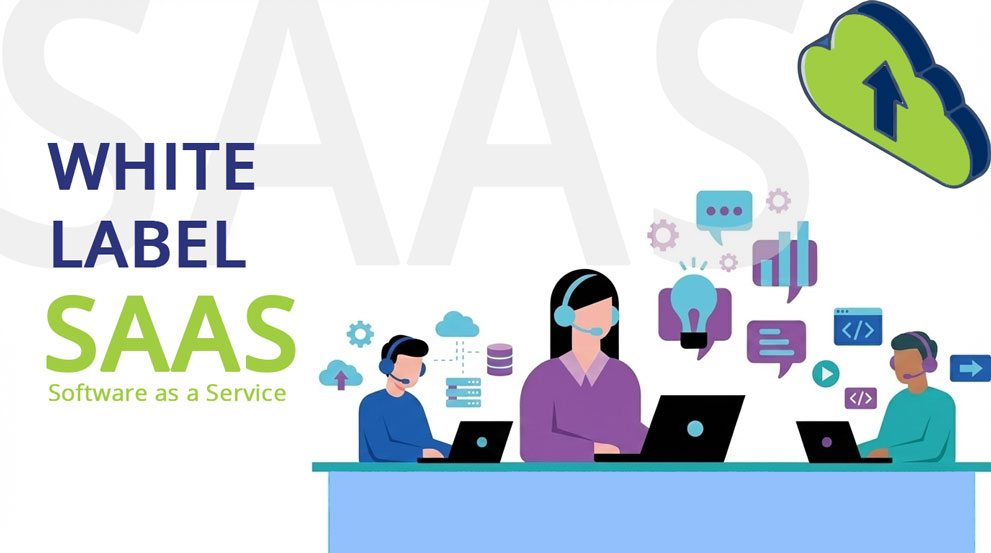
White label development is a model where a technology partner builds software on behalf of an agency, allowing the agency to deliver the product under its own brand.
In the context of startups and product launches, the most common form is white label MVP development.
How the Model Works
- The agency secures the client relationship
- The client needs a software product or digital platform
- The agency partners with a white label development team
- The development partner builds the product behind the scenes
- The agency delivers the solution under its own brand
From the client’s perspective, the agency remains the primary technology provider.
This approach allows agencies to offer high-value technology services without building an internal engineering department.
Why MVP Development Is the Perfect Entry Point
Most digital products start as an MVP.
An MVP is designed to:
- Validate product ideas quickly
- Test user demand
- Minimize initial development costs
- Enable rapid iteration
Instead of building a full product immediately, companies launch a lean version with core features.
If the product gains traction, additional features are developed later.
This is why white label MVP development is especially attractive for agencies.
Key benefits include:
- Faster development cycles
- Lower financial risk
- Clear product validation
- Quick go-to-market timelines
For startups and entrepreneurs, launching an MVP quickly can mean the difference between success and failure.
The Growing Demand for Outsourced Product Development for Agencies

According to global outsourcing reports, the IT outsourcing market is expected to exceed $500 billion within the next few years.
Several factors are driving this growth:
1. Global Talent Shortages
Western countries face a shortage of experienced software developers.
2. Rising Development Costs
Hiring a senior developer in the US or UK can cost $120,000+ per year.
3. Faster Product Timelines
Clients want products launched in weeks, not months.
4. Increased Technology Complexity
Modern products require expertise in cloud infrastructure, security, AI, and scalable architecture.
For agencies, outsourced product dev for agencies provides a practical solution.
Why India Is the Global Hub for Outsourced Development

India has become one of the most trusted destinations for software outsourcing.
Several factors contribute to this reputation.
Large Engineering Talent Pool
India produces over a million engineering graduates annually, creating one of the largest developer ecosystems in the world.
Cost Efficiency
Development costs in India can be 50–70% lower than in Western markets.
This allows agencies to maintain healthy profit margins.
Global Experience
Indian development companies frequently work with clients from:
- the United States
- Europe
- Australia
- New Zealand
This international exposure ensures strong communication standards and familiarity with Western business practices.
Time Zone Advantages
The time difference between India and Western countries enables round-the-clock development cycles.
Projects can progress while clients sleep.
Why a Hybrid Partner Model Is the Future
Not all outsourcing relationships are equal.
Traditional outsourcing can feel transactional.
A hybrid strategic partner provides a deeper level of collaboration.
Companies like Bantech Solutions operate with this hybrid approach.
Hybrid outsourcing includes:
- Dedicated development teams
- Transparent communication
- Agile sprint collaboration
- Strategic product consultation
- long-term partnership mindset
Instead of acting as a vendor, the development team becomes an extension of the agency’s internal capabilities.
The Business Benefits of White Label MVP Development
Agencies that adopt a white label MVP development model gain access to technical capabilities that would otherwise require significant internal investment. By partnering with specialized development teams, agencies can expand their offerings, accelerate delivery timelines, and improve profitability while maintaining full ownership of the client relationship. Below are several key business advantages that make this model particularly attractive for digital agencies and consulting firms.
1. Faster Product Launches
Speed is one of the most significant advantages of white label MVP development. When agencies partner with an experienced development team, they can move from concept to launch much faster than if they were building products entirely in-house. Skilled development partners typically have established workflows, reusable frameworks, and experienced engineers who are already familiar with common product architectures.
Because of this operational efficiency, many MVPs can be developed and launched within four to eight weeks, depending on the complexity of the product and the number of core features required. This accelerated development timeline enables agencies to help their clients validate product ideas quickly and bring solutions to market before competitors.
Faster launches also allow agencies to take on more projects within the same timeframe, increasing overall business capacity without sacrificing quality or delivery timelines.
2. Higher Profit Margins
White label development can significantly improve an agency’s profit margins. Instead of hiring full-time developers, agencies can outsource technical execution to a development partner at a predictable cost while maintaining control over pricing for their clients.
Many agencies apply a 30–60 percent markup on outsourced development services, creating a profitable margin while still offering competitive pricing in the marketplace. This structure allows agencies to generate revenue from technical services without incurring the long-term expenses associated with hiring, training, and retaining specialized engineering talent.
Additionally, agencies can package development services alongside other offerings such as branding, UX design, marketing strategy, and product consulting. This bundled approach increases the overall value of the project while strengthening the agency’s role as a comprehensive digital partner.
3. Expanded Service Portfolio
One of the most powerful benefits of white label MVP development is the ability for agencies to expand their service offerings without building a large internal development department. By leveraging external technical expertise, agencies can confidently provide advanced digital solutions that may have previously been outside their capabilities.
For example, agencies can begin offering services such as:
- SaaS product development, enabling startups and businesses to launch subscription-based software platforms
- Mobile application development for iOS and Android, helping clients reach users on smartphones and tablets
- AI-powered automation tools that streamline business processes, customer service, or data analysis
- Enterprise software solutions designed to support complex internal workflows and operational systems
By adding these services to their portfolio, agencies position themselves as full-service digital partners capable of supporting clients through both strategic planning and product development.
4. Reduced Operational Risk
Maintaining a full-scale engineering team can be costly and unpredictable for many agencies. Salaries, benefits, training, and infrastructure costs can quickly add up, particularly if project demand fluctuates throughout the year.
White label development significantly reduces this operational risk by allowing agencies to access skilled developers only when they are needed. Instead of carrying the financial burden of a large internal team during slower periods, agencies can rely on flexible partnerships that align with project demand.
This model also helps agencies avoid common challenges associated with recruiting and retaining specialized technical talent. Software developers are highly competitive hires, and turnover can disrupt project timelines. By working with established development partners, agencies can maintain continuity and stability across projects.
5. Scalability
Scalability is another critical advantage of the white label MVP model. As agencies grow and acquire more clients, the demand for development services often increases rapidly. Without the right infrastructure in place, scaling internal teams can be slow and expensive.
A white label development partner provides the flexibility to scale technical capacity up or down depending on project demand. When multiple projects are underway simultaneously, the development partner can allocate additional resources to meet deadlines. Conversely, during quieter periods, agencies can reduce development capacity without worrying about staffing costs.
This scalable structure allows agencies to pursue larger projects and more ambitious product initiatives while maintaining operational efficiency. It also enables agencies to respond quickly to new opportunities, helping clients bring innovative products to market without delays.
The MVP Development Process for Agencies
When agencies work with a white label development partner, the MVP process usually follows structured phases.
Phase 1: Product Discovery
This stage defines:
- product goals
- user personas
- core features
- technical architecture
Phase 2: UX and Product Design
Wireframes and prototypes are created to validate the user experience.
Phase 3: Agile Development
Developers build the product in sprint cycles.
Phase 4: Testing and QA
Quality assurance ensures stability, security, and performance.
Phase 5: Launch and Iteration
The MVP is released to real users and improved based on feedback.
Agencies working with Bantech Solutions can integrate this entire process seamlessly into their own client workflows.
For example, agencies can explore additional outsourcing capabilities through their software development services page on the Bantech website.
Key Technologies Used in Modern MVP Development
Modern MVP development leverages scalable technologies that allow products to grow quickly.
Common technologies include:
Frontend
- React
- Angular
- Vue.js
Backend
- Node.js
- Python
- .NET
Cloud Infrastructure
- AWS
- Google Cloud
- Azure
Mobile Development
- Flutter
- React Native
A strong white label partner ensures that the technology stack supports long-term scalability, not just a quick launch.
How Agencies Can Successfully Implement a White Label Strategy
Agencies that succeed with white label product development follow a few best practices.
Choose a Strategic Partner
The development partner should offer:
- transparent communication
- strong project management
- proven technical expertise
Define Clear Processes
Successful partnerships establish clear workflows between:
- agency account managers
- product teams
- development teams
Maintain Client Ownership
The agency remains the primary contact for the client.
The development partner works behind the scenes.
Focus on Long-Term Collaboration
White label development works best when agencies build long-term relationships with their technology partners.
Why Bantech Solutions Is a Strategic Partner for Agencies
Among outsourcing providers, Bantech Solutions stands out as a reliable long-term technology partner for Western agencies.
Key advantages include:
1. Hybrid Agency Collaboration Model
Bantech follows a hybrid collaboration model designed specifically for agencies that need additional technical capacity without expanding their internal development team. Instead of operating as a detached outsourcing vendor, Bantech integrates directly with agency workflows and acts as a seamless extension of the in-house team. This approach allows agencies to maintain control over strategy, client communication, and project direction while leveraging Bantech’s technical expertise for product development.
Through shared project management tools, regular sprint meetings, and transparent reporting, agencies are able to stay fully informed throughout the development lifecycle. Designers, strategists, and account managers within the agency can collaborate directly with Bantech developers, ensuring that the final product aligns with the agency’s brand standards and client expectations.
This hybrid structure also enables agencies to scale their technical capabilities quickly when new opportunities arise. Instead of hiring and onboarding developers internally, agencies can rely on Bantech’s established team to handle the technical execution while maintaining the agency’s brand ownership and client relationships.
2. MVP-Focused Development
Bantech’s development processes are optimized around Minimum Viable Product (MVP) creation, enabling agencies and startups to bring new digital products to market quickly and efficiently. Rather than investing months or years building a full-scale platform before validating the concept, the MVP approach focuses on developing a streamlined version of the product that contains only the most essential features.
This method allows agencies to test ideas, gather user feedback, and validate product-market fit before committing to larger development investments. Bantech works closely with agencies during the planning phase to identify the core functionality required for the MVP, ensuring that the product can deliver meaningful value while remaining cost-effective and fast to build.
By prioritizing rapid prototyping, iterative development, and early user testing, Bantech helps agencies reduce risk and accelerate time-to-market. Once the MVP is launched and validated, the product can then evolve through additional development cycles, guided by real user insights and performance data.
3. Global Client Experience
Bantech has built extensive experience working with agencies and startups across North America, Europe, and Oceania, allowing the company to understand the operational expectations and market dynamics of these regions. This international exposure enables Bantech to adapt its development processes, communication style, and project management practices to align with the standards commonly followed by agencies in these markets.
Working with clients across multiple time zones has also helped Bantech develop flexible collaboration workflows that support asynchronous communication and efficient project coordination. Agencies benefit from predictable delivery timelines, structured reporting, and consistent updates throughout the development process.
Additionally, Bantech’s experience with diverse client portfolios allows the team to bring insights from different industries, technologies, and business models. This global perspective helps agencies build digital products that are not only technically robust but also capable of meeting the expectations of international markets and users.
4. Agile Delivery Framework
Bantech follows an agile delivery framework that emphasizes iterative development, transparency, and continuous improvement throughout the project lifecycle. Agile methodologies divide development into smaller work cycles known as sprints, allowing teams to deliver incremental progress while maintaining flexibility to adjust features or priorities as the project evolves.
For agencies, this approach provides a higher level of visibility into the development process. Regular sprint reviews, progress reports, and collaborative planning sessions ensure that stakeholders remain aligned and informed at every stage of the project. If new requirements emerge or priorities shift, the agile structure allows the development team to adapt quickly without disrupting the overall timeline.
This framework also improves product quality by encouraging continuous testing, feedback, and refinement. Instead of waiting until the end of the development cycle to identify issues, problems can be addressed early and improvements can be incorporated in real time, resulting in a more reliable and polished final product.
5. Long-Term Scalability
Beyond MVP development, Bantech supports agencies in transforming early-stage products into fully scalable digital platforms. Once an MVP has been validated in the market, the next step often involves expanding features, improving infrastructure, and preparing the platform to support a growing user base.
Bantech assists agencies in designing scalable system architectures, optimizing application performance, and implementing advanced integrations as the product matures. This ensures that the platform can evolve without requiring a complete rebuild as new features, users, and data demands increase over time.
By maintaining long-term partnerships with agencies, Bantech provides continuous development support, technical guidance, and strategic input as products grow. This enables agencies to confidently take MVP concepts to the next level, transforming them into robust platforms capable of supporting long-term business growth.
Agencies interested in learning more about these capabilities can explore additional information and case studies directly on the Bantech Solutions website.
Industry Trends Shaping White Label Development
Several technology trends are accelerating the adoption of white label product development.
AI-Assisted Development
AI tools are helping developers build products faster.
Low-Code Platforms
Some MVPs now integrate low-code frameworks to accelerate development.
Microservices Architecture
Modern applications use microservices for greater scalability.
SaaS Product Growth
More startups are launching SaaS products, increasing demand for MVP development.
These trends create new opportunities for agencies that can offer product development services.
Final Thoughts
As client expectations continue to evolve, digital agencies must adapt by offering more sophisticated technology solutions.
However, building an in-house development team is not always practical.
This is why white label product development for agencies (MVPs) has emerged as one of the most effective strategies for modern agencies.
By partnering with an experienced technology provider such as Bantech Solutions, agencies can deliver high-quality software products while maintaining their brand identity and client relationships.
For agencies in the USA, UK, Canada, Australia, and New Zealand, outsourcing MVP development to India offers a powerful combination of:
- speed
- cost efficiency
- technical expertise
- scalability
The result is a smarter way to grow agency capabilities while staying competitive in an increasingly technology-driven world.