For digital agencies and growing startups — whether in the U.S., U.K., Canada, Australia, or New Zealand — delivering high-quality web development services in-house isn’t always efficient or cost-effective. Talent shortage, high overheads, recruitment challenges, and time-to-market pressures can limit growth.
This is where white-label web development comes in: a strategic model that enables agencies to expand their services, scale faster, and maintain brand control — without managing all technical delivery internally. As a trusted outsourcing partner, Bantech Solutions helps you harness this model to offer premium web services to your clients, while you focus on growth, client relationships, and core business.
In this guide, we’ll define white-label development, explore why it’s trending right now (especially in 2025), unpack its benefits and pitfalls, and show why partnering with Bantech is a competitive advantage for Western agencies and startups.
What Is White-Label Web Development?
White-label web development (also called white-label website development or white-label web design & development) refers to a service model where one company (the “delivery partner”) builds websites or web applications — but allows another company (the “agency” or “reseller”) to brand and present them as their own. The end client sees only the agency’s name, logo, and identity. nethues.com+3Pixelcrayons+3White Label IQ+3
In practice: your agency gathers requirements from your client, then transmits those to your white-label partner (e.g., Bantech). The partner builds, tests, and delivers; you review, brand, and deliver to your client — all under your agency’s name.
This differs from standard outsourcing in that the final deliverable bears your brand identity, and none of the subcontractor’s identity is exposed to your client. eluminoustechnologies.com+1
Why White-Label Services Are Gaining Momentum in 2025
1. Market Pressures & Demand for Scalability
The digital services market is highly competitive. Agencies often face fluctuating workloads, especially as clients demand rapid turnaround times, custom features, and holistic digital offerings (websites, e-commerce, SEO, performance, maintenance). For many, scaling up or down internally is costly and inefficient.
By partnering with a white-label provider, agencies gain flexibility — ramping up when demand surges, and scaling down during lean periods — without bearing long-term headcount or infrastructure costs. This model provides a “flexible on-demand workforce” that aligns with real project load. Rubico+2devico.io+2
2. Cost Pressures and Budget Constraints
With budgets tightening and economic uncertainty lingering globally, clients often demand high-quality deliverables at competitive prices. For agencies, delivering premium websites in-house can be expensive: recruitment, salaries, overhead, training, and retention all add up.
White-label web development offers a cost-effective alternative. Agencies access expert development teams at a fraction of what it would cost in their home market, without sacrificing quality or delivery speed. Pixelcrayons+2Evon Technologies+2
3. Rising Complexity of Web Development & Demand for Technical Expertise
Modern websites are rarely simple brochures. Clients expect e-commerce modules, integrations (e.g., payment gateways, CRM, analytics), custom CMS or headless architectures, optimized performance, responsive design, SEO, and often ongoing maintenance or support.
Many smaller agencies lack full-stack developers, or the bandwidth to keep up with evolving technologies. White-label partners — with deep technical expertise — can fill that gap, enabling agencies to deliver complex web solutions confidently. Rubico+2Pixelcrayons+2
4. Strategic Shift: From Overflow Support to Long-Term Partnerships
In 2025, white-label services are no longer “just for overflow.” They’re increasingly viewed as long-term strategic partnerships. Agencies that forge strong relationships with dependable white-label providers gain a competitive advantage: access to consistent quality, predictable delivery, and the ability to take on projects of varying sizes without overstretching. Rubico+2Zenkins+2
Key Benefits for Agencies & Startups
Branding Without the Headache
White-label development enables your agency to offer web solutions branded entirely as your own. The end-client sees only your brand — no mention of subcontractors, no confusing vendor logos (e.g., WordPress, external developers), and no risk of diluting your identity. Pixelcrayons+2nethues.com+2
Access to a Diverse Talent Pool & Expertise
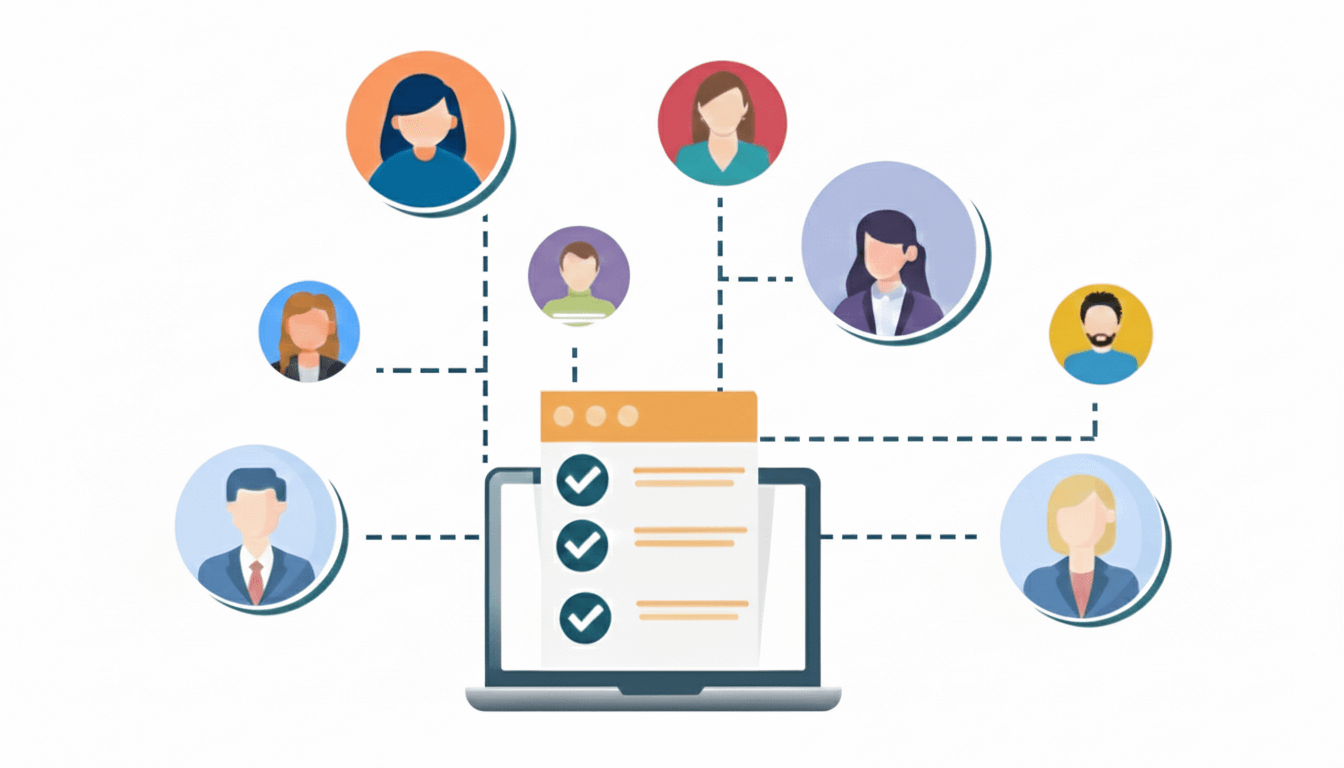
By working with a seasoned white-label partner, you gain access to developers skilled across various technologies — e.g., CMS platforms (WordPress, Shopify, Magento), front-end frameworks, back-end stacks, e-commerce integrations, full-stack web apps, etc. This breadth of expertise would be expensive and time-consuming to build in-house. Pixelcrayons+2White Label IQ+2
Fast Time-to-Market & Scalability
White-label partners are structured to deliver efficient, often SLA-driven services. This means faster turnaround times, higher throughput, and the ability to handle multiple projects simultaneously. Agencies can take on more work without compromising quality or deadlines. Pixelcrayons+2Zenkins+2
Cost-Effectiveness & Lower Overhead
Avoiding full-time hires, training costs, infrastructure setup, and benefits — white-label arrangements significantly reduce your fixed costs. You pay only for what you need, when you need it. This preserves margins while expanding service capabilities. Pixelcrayons+2Evon Technologies+2
Focus on Core Competencies & Client Relationships
Without the burden of managing day-to-day development tasks, your internal team can focus on strategy, marketing, client acquisition, and relationships — areas that drive business growth. Meanwhile, the white-label partner handles execution. Pixelcrayons+2nethues.com+2
Flexibility to Offer Diverse Services
Whether it’s a simple WordPress site, a WooCommerce store, a Shopify e-commerce platform, or a custom React / headless CMS build — white-label partners give you flexibility to cater to different client needs without building specialized teams for each. Uplers+2White Label IQ+2
Risk Mitigation & Predictable Delivery
When you choose a reputable white-label partner with a proven track record, you reduce risk. No worries about hiring, attrition, fluctuating project loads, or infrastructure. Instead, you get predictable quality, delivery schedules, and scalability. Zenkins+2Pixelcrayons+2
Common Concerns — and How to Overcome Them
Despite its advantages, some agencies hesitate to adopt white-label development. Key concerns include:
- Quality control: Risk that subcontracted work may not meet standards.
- Communication & transparency: Worries about delays, misunderstandings, or cultural/time-zone barriers.
- Brand risk: What if the white-label partner reveals themselves, or delivers flawed work under your brand?
- Dependency risk: Over-relying on a third-party vendor long-term.
These concerns can be mitigated by:
- Vetting the white-label partner thoroughly: checking portfolio, client testimonials, and sample projects. Pixelcrayons+1
- Ensuring clear, frequent communication and agreed workflows; using project management tools; setting SLAs and milestones. Pixelcrayons+1
- Establishing agreements (e.g., contracts, NDAs) that ensure confidentiality, brand protection, and clarity on ownership and deliverables.
- Choosing partners that offer flexibility — so you’re not locked in if needs or budgets shift. Zenkins+2White Label IQ+2
When done correctly, white-label partnerships are not a stop-gap — but a strategic pillar for growth.
Why Outsourcing to India Makes Strategic Sense
India remains a global IT outsourcing hub
- India continues to offer a deep pool of skilled tech talent at competitive costs compared to Western economies. Aalpha+2devico.io+2
- Agencies that outsource to India often report savings of 20–75% compared to building in-house — depending on project complexity and scope. 1840andco.com+1
- Beyond cost, India’s mature outsourcing ecosystem offers access to developers experienced with global standards, quality processes, and modern tech stacks. devico.io+2Zenkins+2
The “hybrid-partner” advantage that Bantech brings
Rather than being a faceless subcontractor, Bantech Solutions positions itself as a hybrid partner — a seamless extension of your agency, combining the flexibility of outsourcing with the reliability of in-house teams. This hybrid model offers multiple advantages:
- Scalable staffing without long-term overhead: Ramp teams up or down depending on project flow.
- Access to full-stack expertise: From front-end to back-end, CMS to e-commerce to custom apps — Bantech’s talent pool lets you cover diverse client needs under one roof.
- Cultural alignment & communication: With experience working with Western clients, Bantech understands expectations around timelines, quality, transparency, and client-facing communication.
- Cost-effective pricing without compromising quality: You get premium deliverables at Indian-market cost — enabling you to maintain margins while offering competitive pricing.
- Long-term strategic partnership: As your agency grows, Bantech can scale with you — supporting more projects, new service lines, and evolving technologies.
Given these advantages, outsourcing to India via a hybrid partner like Bantech isn’t just about saving money — it’s a strategic move to expand capabilities, scale sustainably, and deliver superior value to your clients.
How to Evaluate & Select a White-Label Web Development Partner
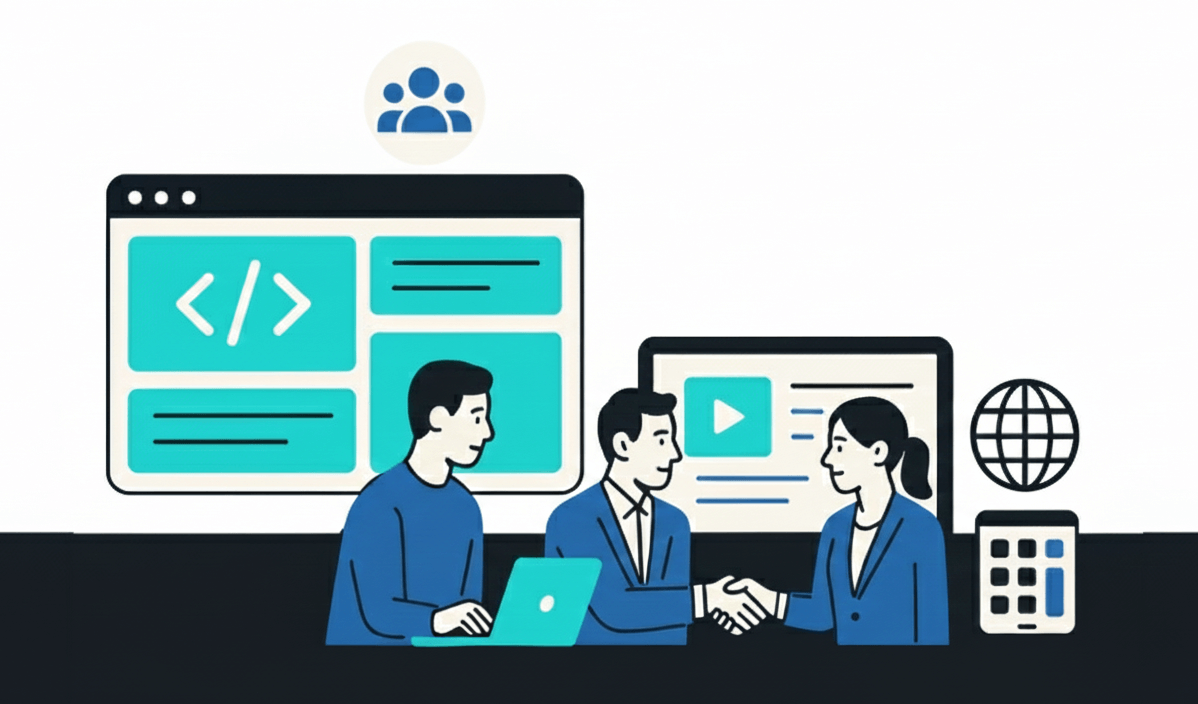
When you consider white-label providers, here’s a rigorous evaluation framework (inspired by white-label guides and industry best practice):
Reputation & Track Record
- Review their portfolio — ensure they’ve delivered similar projects (in scope and complexity) to what you intend to assign. Pixelcrayons+2nethues.com+2
- Ask for testimonials and references. Prefer partners with consistent high-quality feedback. Pixelcrayons+1
Technical Expertise & Breadth of Skillsets
- Confirm their proficiency across necessary technologies (CMS, e-commerce, front-end frameworks, back-end stacks, integrations). Pixelcrayons+1
- Check for experience with modern trends/requirements: mobile responsiveness, SEO, performance optimization, security, integration with third-party tools, etc.
Communication & Responsiveness
- Evaluate their ability to communicate clearly and on time. Time-zone overlap or structured communication protocols help. Pixelcrayons+1
- Confirm project-management transparency: clear milestones, status reporting, visibility into progress, ability to iterate based on feedback.
Pricing Transparency & Flexibility
- Prefer clear, understandable pricing models. Avoid vague or overly cheap “too good to be true” offers. Pixelcrayons+1
- Make sure pricing scales well as your project volume increases or decreases.
Brand Protection & Confidentiality
- Ensure contractual agreements, NDAs, or white-label terms that guarantee the partner does not show their identity to your end clients.
- Confirm they respect your brand identity — no extra credits, hidden signatures or vendor logos, etc.
Support, Maintenance & Long-Term Viability
- A good partner offers ongoing support, maintenance, updates, and the ability to handle future enhancements — not just initial deliverables.
- Look for evidence of long-term client relationships (not one-off projects).
By applying these criteria, Bantech Solutions rises as a strategic choice — offering the right balance of skill, reliability, flexibility, and brand integrity.
How Bantech Solutions Delivers Competitive Advantage
By choosing Bantech Solutions as your white-label web development partner, your agency or startup gains:
- Hybrid-partner flexibility: Scale your technical team instantly without hiring or layoffs.
- Full-stack web expertise: From WordPress & CMS to e-commerce, custom web apps, and modern frameworks — Bantech covers it all.
- Cost-efficient development with no compromise on quality: Indian-cost efficiencies + international-quality standards.
- Seamless brand-first delivery: Your clients see only your brand. Bantech works entirely behind the scenes.
- Reliable long-term collaboration: Consistent delivery, transparent communication, and support for future projects or enhancements.
In short — Bantech acts as an invisible but dependable backbone for your digital services business, enabling you to punch above your weight without expanding overhead.
Conclusion
White-label web development isn’t just a stop-gap solution — it’s a proven growth strategy for digital agencies and startups weary of overhead, hiring headaches, or inconsistent delivery. In 2025, as web projects grow in complexity and demand rises for fast, cost-effective, high-quality websites, white-label — done right — gives agencies a powerful competitive edge.
For agencies in the U.S., U.K., Canada, Australia, or New Zealand looking to scale, diversify service offerings, and maintain high quality while preserving margins, partnering with an experienced, reliable provider like Bantech Solutions offers an ideal path forward.
With Bantech as your hybrid outsourcing partner, you gain a flexible, full-stack, cost-efficient, brand-protecting extension to your team — enabling you to focus on what matters most: strategy, client relationships, growth.
If you’re ready to explore how white-label web development can transform your agency’s service offerings and growth trajectory — Bantech Solutions is ready when you are.
FAQs
The modern digital agency is expected to do everything—strategy, branding, design, development, support, optimization, and platform management. Yet most agencies were never built to operate like full-stack engineering firms. As client expectations grow and new technologies enter the market at record speed, agencies face a structural challenge: How do you deliver more technical work without sacrificing profit margins or increasing fixed costs?
This is where white label web development services enter the conversation. Once considered a niche solution, white label partnerships have become a strategic pillar for agencies that want to scale intelligently while preserving brand ownership and client relationships. According to Statista, global IT outsourcing revenue will exceed $512 billion by 2027, driven by agencies and enterprises offloading specialized production tasks to expert partners (https://www.statista.com/topics/1900/outsourcing-industry/).
In this FAQ explainer, we will break down what white label web development really means, why agencies rely on it, and the frameworks that make these partnerships work sustainably. The goal is not to oversell outsourcing, but to contextualize how it fits into the evolving digital services ecosystem.
1. What Are White Label Web Development Services?
At its core, white label web development refers to a model where an agency sells website development under its own brand while an external development partner completes the work. The agency owns the client relationship, project communication, pricing, and delivery—while the technical execution is outsourced.
The term “white label” originally came from manufacturing, where products were made by one company and rebranded by another. The same logic applies here: the output is produced by a specialized technical provider, but the client only sees the agency’s brand.
This model is particularly valuable for agencies that focus on design, marketing, SEO, or brand strategy but lack full in-house development capabilities. Instead of turning down projects or hiring expensive staff, they plug in an expert team that works quietly in the background.
A well-structured white label arrangement typically includes:
- Web design and front-end development
- Back-end development
- CMS implementation (WordPress, Shopify, Webflow, etc.)
- E-commerce development
- Website maintenance and security
- Landing pages and funnel builds
In short, the agency becomes the face; the white label partner becomes the engine.
2. Why Do Agencies Use White Label Web Development Services?
Agencies turn to white label partners for reasons that go far beyond simple outsourcing. The primary driver is capacity expansion without the overhead of hiring developers, which according to Glassdoor can cost agencies upwards of $120,000 per year per senior developer in Western markets (https://www.glassdoor.com).
But the strategic motivations run deeper:
2.1 Handling Complex Technical Requirements
As web technologies evolve—such as headless CMS frameworks, React-based front ends, and API-driven architectures—agencies must either constantly retrain staff or access specialists on demand. White label teams often maintain developers across multiple stacks, allowing agencies to broaden their service catalog immediately.
2.2 Eliminating Operational Bottlenecks
Every agency reaches a stage where its internal team is fully booked. Hiring takes weeks or months; freelancers are inconsistent. White label partners provide instant elasticity: they scale up or down based on project flow.
2.3 Protecting Margins and Competitive Pricing
Agency owners are often caught between client budgets and the economics of full-time technical talent. White label delivery models—especially offshore or hybrid models—help agencies price competitively while improving margins.
The result is a business that grows without adding unnecessary structural weight.
3. How Do White Label Web Development Services Actually Work?
The mechanics of white label development follow a structured workflow designed to protect the agency’s brand and ensure the partner stays invisible. While each provider has its own framework, the standard operational flow looks like this:
3.1 Step 1: Discovery and Requirements Gathering
The agency meets with the client, gathers requirements, and defines scope. Some white label partners offer joint scoping support (under the agency’s brand), but internal discovery is more common.
3.2 Step 2: Quoting and Proposal Support
Agencies often rely on the partner to help estimate timelines, technologies, and costs. Many offer fixed-scope development packages (e.g., WordPress business website) to simplify pricing.
3.3 Step 3: Development Under the Agency’s Branding
The partner builds the website, sending updates, demos, or staging links to the agency—not the client. All communication remains behind the scenes.
3.4 Step 4: QA, Revisions, and Launch
The agency funnels all client feedback to the partner. Once approved, the site is deployed under the agency’s name.
3.5 Step 5: Long-Term Maintenance (Optional)
Most agencies pair white label development with ongoing maintenance plans. This aligns with the broader industry shift toward recurring revenue models, which agencies increasingly prioritize.
This process mirrors how top software vendors operate, except the branding belongs entirely to the agency.
4. What Business Models Do White Label Development Providers Use?
Understanding pricing and engagement models helps agencies choose the right structure for their needs. Across the industry, three models dominate:
4.1 Fixed-Scope Project Pricing
This model is ideal for repeatable builds like WordPress marketing sites or Shopify stores. The agency knows the exact cost upfront, making pricing predictable. It works especially well for agencies selling packaged website services.
Reference: https://www.shopify.com/partners/blog/white-label
4.2 Hourly or Monthly Retainers
This model offers flexibility for agencies that need ongoing development without committing to full-time hires. Retainers typically include:
- Bug fixes
- Feature enhancements
- New page builds
It aligns well with agencies that handle continuous client work.
4.3 Dedicated Developer or Team Models
More mature agencies often require embedded technical support. In this setup, the partner provides full-time developers who work exclusively on the agency’s projects. It feels like hiring an in-house developer—just without the overhead.
Reference: https://www.netsolutions.com/insights/dedicated-development-team-model/
These models are not mutually exclusive. Many agencies start with project-based work and evolve into a hybrid or dedicated team structure.
5. What Types of Projects Can Be Executed Through White Label Development?
Agencies often underestimate the breadth of work that can be delivered through a strong partner. White label teams typically handle:
5.1 Marketing Websites (WordPress, Webflow, Custom)
The most common category—especially for creative agencies. These projects range from small business websites to corporate multi-page builds.
5.2 E-commerce Development (Shopify, WooCommerce, BigCommerce)
E-commerce requires specialized development knowledge—checkout flows, payment gateways, CRM integrations. Many agencies choose white label specialists for this reason.
5.3 Custom Web Applications and SaaS MVPs
A growing category due to the rise of low-code and no-code platforms. Agencies increasingly collaborate with partners to build dashboards, portals, and SaaS prototypes.
Reference: https://zapier.com/blog/no-code-tools/
5.4 Landing Pages and Conversion Funnels
Fast-turnaround deliverables that many marketing agencies prefer to outsource during peak load periods.
5.5 Performance, Migration, and Optimization Projects
White label teams also handle technical SEO improvements, speed optimization, hosting migrations, and site cleanup projects.
This breadth of capability enables agencies to enter new markets without retraining or reinventing their core business.
6. What Should Agencies Look for When Choosing a White Label Partner?
Choosing a partner is not simply a question of cost. Agencies should look for operational maturity, communication clarity, and alignment of values.
6.1 Technical Breadth and Certifications
A good white label partner has teams skilled across multiple CMS platforms and frameworks—not just generic developers.
6.2 Documentation and Transparency
Partners should share:
- SOW templates
- Process documentation
- Project tracking systems
This ensures reliability at scale.
6.3 Cultural and Communication Fit
Time zone alignment matters, but communication quality matters more. Agencies should evaluate responsiveness, clarity, and proactive problem-solving.
6.4 Long-Term Stability
A partner becomes an extension of your agency. Reliability and low turnover are critical.
The goal is to build a relationship that supports growth for years—not a transactional engagement.
Bringing It All Together: Practical Takeaways
White label web development is more than outsourcing—it is strategic capacity expansion. Agencies gain access to:
- Skilled developers across multiple platforms
- Predictable pricing and timelines
- Broader service offerings
- Scalable delivery capacity
- Stronger margins
When structured well, a white label partnership becomes a competitive differentiator. It enables agencies to keep ownership of their brand and clients while adding technical horsepower behind the scenes.
Final Reflection
As digital ecosystems become more complex and client expectations rise, agencies must think not just about what they can deliver—but how they deliver it. The future belongs to agencies that operate with agility, leverage global talent ecosystems, and build modular service models.
White label development is not a shortcut; it is a strategic evolution of how modern agencies operate. It empowers them to stay creative, stay lean, and stay ahead—without sacrificing the quality or innovation their clients expect.
Every digital agency eventually reaches a point where internal bandwidth becomes the primary barrier to growth. Whether it’s a design-led studio struggling with complex development projects or a marketing agency drowning in website requests, the story is usually the same: demand increases faster than headcount can support. Yet adding full-time developers isn’t always viable—especially in markets where salary expectations, hiring timelines, and retention challenges create friction against sustainable growth.
It’s no surprise that the global outsourcing market has become a structural pillar for agencies worldwide. Statista reports that IT outsourcing spending is projected to reach over $512 billion by 2027, with digital production work being one of the fastest-growing segments (https://www.statista.com/topics/1900/outsourcing-industry/). The industry is moving toward a blended delivery model where strategy stays in-house while execution becomes distributed across specialized external teams.
This is where white label web development offers a compelling growth lever. It enables agencies to expand production capacity, diversify their offerings, and take on larger or more complex projects—without increasing fixed costs or internal headcount. In this article, we’ll explore the mechanisms behind this model and how it fuels long-term scalability for agencies.
1. A Scalable Delivery Engine Without Increasing Payroll
Scaling an agency traditionally means hiring more developers, designers, and technical leads. But that approach comes with financial, operational, and cultural challenges. White label development flips the model by giving agencies instant access to development capacity without expanding payroll.
1.1 Eliminating Recruitment and Training Bottlenecks
Hiring a qualified developer can take 30–60 days on average, depending on region and skill requirements. According to SHRM, the cost-per-hire across technical roles often exceeds $4,700, not counting onboarding or productivity ramp time (https://www.shrm.org/).
White label partners remove this bottleneck entirely. Agencies gain immediate access to:
- Full-stack developers
- CMS specialists (WordPress, Shopify, Webflow, etc.)
- QA and testing specialists
- UX, UI, and front-end teams
This gives agencies a reliable production engine that scales on demand.
1.2 Fixed Costs Become Variable Costs
In-house employees represent fixed costs—salaries, benefits, software, training. White label teams convert these into project-based or retainer-based variable costs, which means agencies only pay when there is billable work.
This improves profit margins, cash flow stability, and operational flexibility.
2. Expanding Service Offerings Without Hiring Specialists
In today’s digital landscape, agencies must keep pace with rapid changes across design, development, e-commerce, and platform ecosystems. But hiring specialists for every niche—Shopify architects, Vue/React developers, headless CMS engineers—is impractical for most small and mid-sized agencies.
White label partners effectively serve as an extension of the agency’s capabilities, giving access to specialists that would otherwise be too expensive or difficult to maintain internally.
2.1 Entering New Markets Instantly
Instead of declining requests for:
- Shopify builds
- WooCommerce stores
- Webflow animations
- Custom React components
- API integrations
- Headless CMS systems
…agencies can accept these projects confidently by routing them to a partner with proven expertise.
This opens new revenue channels and makes the agency more competitive in multi-vendor RFPs.
2.2 Keeping Up with Emerging Technologies
As frameworks evolve—Next.js for front-end apps, Sanity/Strapi for content systems, and AI-driven automation tools—agencies gain access to modern stacks without retraining or internal restructuring.
This agility is crucial in a market where client expectations evolve rapidly.
3. Increasing Throughput and Reducing Project Overflow
Many agencies operate in cycles of feast and famine: one month they’re understaffed, the next they’re scrambling to keep developers busy. Scaling with headcount amplifies this volatility.
White label development stabilizes capacity by providing elastic production support.
3.1 Handling Peak Load Without Stressing Internal Teams
Agencies experience spikes during:
- Seasonal marketing campaigns
- Product launches
- End-of-quarter sprints
- Large client onboarding periods
Instead of overworking internal teams or turning down new projects, white label partners absorb the overflow.
3.2 Reducing Delivery Risk and Burnout
When internal developers are stretched thin, quality suffers and deadlines slip. White label partners help maintain:
- On-time delivery
- Clean code and QA standards
- Consistent client experience
Burnout costs agencies far more than outsourcing ever will. Stability is a competitive advantage.
4. Improving Profit Margins While Remaining Price Competitive
Scaling is not just about capacity—it’s about profitability. Hiring senior technical talent in Western markets can cost upwards of $100k–$150k per year, according to Glassdoor (https://www.glassdoor.com). Add overhead, and small agencies struggle to maintain healthy margins.
White label partnerships—especially hybrid onshore/offshore models—help agencies deliver high-quality work with lower production costs.
4.1 Increasing Margins on Web Projects
Because agencies set their own pricing, white label work often yields:
- Higher margins
- More predictable profitability
- Better cost-to-value ratios
This creates financial room to reinvest in strategy, sales, and creative direction.
4.2 Offering Competitive Pricing Without Cutting Corners
Clients increasingly demand enterprise-grade websites on mid-market budgets. White label partners allow agencies to meet these expectations without sacrificing quality or profitability.
5. Enhancing Agency Reputation and Client Experience
White label development doesn’t just help internally—it strengthens the agency’s external perception.
5.1 Delivering Faster, More Polished Work
Partners who specialize in web development typically have:
- Mature workflows
- Rigorous QA processes
- Specialized skill clusters
- Dedicated project managers
This elevates the quality of work clients receive under the agency’s name.
5.2 Consistency Across All Client Projects
Agencies often struggle with variance in output when relying on freelancers. White label teams provide:
- Repeatable processes
- Predictable communication
- Standardized code quality
This consistency is essential for long-term growth.
6. Enabling Strategic Focus for Agency Leaders
One of the most overlooked benefits of white label development is the strategic freedom it creates.
Instead of juggling development details, agency founders and project managers can focus on:
- Client relationships
- Brand positioning
- Sales pipelines
- Creative direction
- Recurring revenue models
- High-level technical consulting
As Harvard Business Review notes, leaders scale faster when they spend more time on strategy and less on operations (https://hbr.org/).
White label partners handle the execution so the agency can focus on evolution.
Bringing It All Together: Practical Takeaways
White label web development helps agencies scale without increasing headcount by providing:
- Elastic development capacity
- Access to specialists across platforms and stacks
- Reduced operational risk and overhead
- Improved margins and competitive pricing
- Faster delivery and higher quality
- The ability to take on more and larger projects
- A stronger focus on strategy instead of production
This model turns scaling from a hiring challenge into a strategic configuration problem—one that agencies can control and optimize over time.
Final Reflection
As the digital landscape becomes more complex and competitive, agencies must rethink how they grow. Scaling through headcount alone is no longer sustainable; instead, smart agencies design modular, hybrid production ecosystems that blend in-house strategy with external execution.
White label web development is not a shortcut—it’s a modern operating model. One that allows agencies to deliver more, earn more, and evolve faster—without sacrificing the creative or strategic DNA that makes them unique.
As digital ecosystems become more specialized, clients increasingly expect agencies to deliver not just beautiful websites but fast, secure, scalable, and integrated web experiences. Yet very few agencies maintain the in-house technical depth to support every client request. The gap between what clients want and what internal teams can execute has never been wider—especially with the rapid evolution of CMS platforms, e-commerce frameworks, headless architectures, and custom web application tooling.
This is why white label web development has emerged as one of the most strategic levers for agency growth. Instead of turning down work or overextending internal staff, agencies plug into external development partners who deliver services under the agency’s brand. According to Deloitte’s Global Outsourcing Survey, over 70% of organizations outsource to improve efficiency and access specialized skills, not simply to reduce cost (https://www2.deloitte.com). For agencies, this shift is even more relevant: white label partners act as force multipliers that unlock new service categories and revenue streams.
In this article, we explore the full spectrum of web development services that can be delivered under a white label model—from foundational website builds to advanced custom engineering. Each category reflects the realities of today’s digital service market and the expectations shaping tomorrow’s.
1. CMS Website Development (WordPress, Webflow, Drupal, Joomla)
For most agencies, content-managed websites remain the backbone of their client offerings. White label partners can take on CMS development at scale, enabling agencies to deliver marketing websites and corporate sites without hiring in-house developers.
1.1 WordPress: The Universal Standard
WordPress powers over 43% of all websites globally (https://w3techs.com). White label teams can handle:
- Theme customization
- Custom block/Gutenberg components
- Plugin integration
- Performance optimization
- Security hardening
- Multilingual setups
Because WordPress is so ubiquitous, agencies often rely on white label developers to execute high-quality builds quickly and cost-effectively.
1.2 Webflow: For Design-Driven Agencies
Webflow adoption has surged as agencies seek a visual-first tool that still produces production-grade code. White label Webflow specialists support:
- Responsive builds
- Advanced animations
- CMS collections
- Integrations via Make, Zapier, or custom API hooks
This allows designers to maintain creative control while delegating technical implementation.
1.3 Drupal / Joomla for Enterprise Needs
Although less common, white label teams often maintain expertise in these enterprise-grade CMS systems, particularly for government, education, or large corporate clients.
2. E-Commerce Development (Shopify, WooCommerce, BigCommerce)
E-commerce requires specialized technical knowledge—checkout flows, PCI compliance, product architecture, and integrations with CRM/ERP suites. Many agencies outsource this category entirely.
2.1 Shopify Development
With over 4 million live stores, Shopify is the dominant SMB and mid-market e-commerce platform (https://trends.builtwith.com/shop). White label Shopify services include:
- Store setup and theme development
- Custom Shopify sections and Liquid coding
- App integration (Klaviyo, Recharge, Loop Returns, etc.)
- Checkout customization
- Performance optimization
- Migration from WooCommerce, Magento, or custom stores
Shopify’s ecosystem evolves rapidly, making white label specialists invaluable.
2.2 WooCommerce for WordPress-Driven Stores
WooCommerce powers roughly 8% of all e-commerce sites (https://w3techs.com). Common outsourced tasks include:
- Custom product types
- Subscriptions and memberships
- Complex shipping and tax logic
- Checkout workflows
- Payment gateway integrations
2.3 BigCommerce and Headless Commerce
White label partners often support more technical e-commerce needs such as:
- BigCommerce headless builds
- Custom storefronts powered by Next.js or Nuxt
- API-driven product catalogs
As headless commerce grows, so does the need for specialized external teams.
3. Custom Web Application Development
Beyond CMS and e-commerce, many agencies increasingly receive requests for custom portals, dashboards, or SaaS MVPs. These are rarely feasible for agencies to build in-house, making them an ideal fit for white label development.
3.1 Full-Stack Web Applications
White label teams typically support:
- React, Vue, or Angular front-end applications
- Node.js, Laravel, Django, or Rails back-end systems
- REST and GraphQL API integrations
- Role-based dashboards and portals
- Database modeling and optimization
This area represents one of the largest scaling opportunities for agencies.
3.2 Prototyping and MVP Development
For startups and innovative brands, white label partners can build:
- SaaS MVPs
- Internal tools
- Workflow automation apps
- Customer experience platforms
Tools like Firebase, Supabase, and Vercel have accelerated the ability to build and deploy quickly.
3.3 No-Code and Low-Code Platforms
The rise of no-code tooling means agencies can offer application development without writing traditional code. White label partners often support:
- Bubble
- Airtable
- Softr
- Xano
- Make / Zapier automations
This expands the agency’s capability into a fast-growing segment of the digital economy.
Reference: https://zapier.com/blog/no-code-tools/
4. Landing Pages, Funnels, and Conversion-Optimized Builds
Not every project is a full website. Many agencies rely on white label partners for:
- High-speed landing pages
- PPC campaign pages
- Multi-step conversion funnels
- CRO-focused redesigns
- A/B test variations
Platforms often include:
- Unbounce
- Instapage
- Webflow
- custom-coded landing pages
Because these deliverables come with strict timelines and marketing dependencies, agencies benefit from the speed and reliability of a specialized white label team.
5. Website Maintenance, Support & Performance Optimization
Client relationships do not end at launch—yet ongoing maintenance is time-consuming and difficult to staff. White label partners often manage:
5.1 Technical Maintenance
- Plugin and theme updates
- Security patching
- Uptime monitoring
- Hosting management
5.2 Performance Optimization
Google’s Core Web Vitals performance metrics directly affect SEO and conversion rates (https://web.dev/vitals/). White label partners help agencies improve:
- Load times
- PageSpeed Insights scores
- Server response times
- Asset optimization
5.3 Ongoing Content and Design Support
Many agencies also white-label smaller tasks:
- New pages
- Blog templates
- Design tweaks
- Minor feature enhancements
This recurring work forms the backbone of many agencies’ monthly retainer models.
6. Website Migrations, Integrations & Technical SEO
Technical work that requires deeper engineering knowledge is often outsourced because it is difficult to maintain in-house.
6.1 Migrations
White label developers handle:
- WordPress → Webflow
- WooCommerce → Shopify
- Custom CMS → WordPress
- On-premise → cloud migrations
6.2 Third-Party Integrations
Modern websites rely heavily on external systems:
- CRMs (HubSpot, Salesforce)
- Marketing automation platforms
- Payment gateways
- Booking systems
- ERP and inventory tools
These integrations often require API expertise.
6.3 Technical SEO Enhancements
White label teams strengthen SEO performance through:
- Schema markup
- Page performance optimization
- Clean URL structuring
- Crawlability improvements
- Technical audits
As Search Engine Journal notes, technical SEO is increasingly foundational for ranking in competitive industries (https://www.searchenginejournal.com/technical-seo-guide/).
7. Specialized Development: Headless, JAMstack, AI-Driven Builds
The modern web is evolving beyond traditional CMS systems.
White label teams often support advanced architectures such as:
7.1 Headless CMS Development
Using:
- Strapi
- Sanity
- Contentful
- Prismic
Paired with front-end frameworks like Next.js or Astro.
7.2 JAMstack Websites
Faster, more secure builds using:
- Static site generators
- Serverless functions
- API-driven data models
7.3 AI-Enhanced Web Experiences
White label partners help integrate:
- Chatbots
- Personalization engines
- AI content generation workflows
- Automated product recommendation systems
These emerging capabilities allow agencies to offer forward-looking digital solutions without retraining their internal teams.
Bringing It All Together: Practical Takeaways
White label web development extends an agency’s capabilities far beyond traditional website builds. It enables agencies to deliver:
- CMS websites
- E-commerce stores
- Custom web apps
- Landing pages and funnels
- Integrations and migrations
- Maintenance and performance optimization
- Technical SEO
- Advanced architectures (headless, AI, JAMstack)
Instead of hiring multiple specialists, agencies work with a partner that brings all these skill sets under one roof—quietly operating behind the scenes under the agency’s brand.
The result is a more agile, scalable, and profitable agency model.
Final Reflection
The agency of the future will not be defined by the size of its internal team but by the strength of its ecosystem. White label development represents a new operational blueprint where agencies remain lean and strategy-focused while surrounding themselves with specialized external capabilities.
This model doesn’t replace agency expertise—it amplifies it. It enables agencies to expand their portfolio, say “yes” to more opportunities, and deliver sophisticated digital experiences without the friction of hiring or constant upskilling.
As client expectations continue to rise, agencies that embrace white label partnerships will be positioned not just to keep pace—but to lead.
The modern digital agency faces a paradox: clients expect increasingly sophisticated digital experiences, yet project timelines are shrinking and budgets remain tight. Technology cycles evolve too quickly for most agencies to build full in-house development teams across every framework, platform, and specialization. Meanwhile, agencies must adapt to fluctuating project loads, rising labor costs, and the ongoing challenge of retaining senior technical talent.
It’s no surprise, then, that white label web development partnerships have become a cornerstone of how forward-thinking agencies operate. Instead of trying to do everything internally, agencies now rely on specialized backend partners who deliver development solutions under the agency’s brand—quietly, efficiently, and at scale.
According to Deloitte’s Global Outsourcing Survey, more than 70% of organizations outsource to access capabilities they don’t have in-house, and another 50% outsource to improve service delivery (https://www2.deloitte.com). For digital agencies, white label partnerships go beyond simple outsourcing—they provide a strategic infrastructure for sustainable growth.
In this article, we’ll explore the key benefits of partnering with a white label web development provider and unpack why this model has become essential for agencies navigating the new digital economy.
1. Immediate Access to Specialized Technical Expertise
The first and most powerful benefit of white label partnerships is immediate access to expertise—expertise that would otherwise take agencies months or years to build internally.
1.1 Covering All Major CMS and E-Commerce Platforms
A strong white label partner brings specialists in:
- WordPress
- Webflow
- Shopify
- WooCommerce
- BigCommerce
- Headless CMS systems (Sanity, Contentful, Strapi)
Instead of maintaining multiple specialists internally, agencies gain a full-stack technical department on demand.
1.2 Keeping Pace With Rapidly Evolving Technologies
From Next.js to Astro to AI-driven personalization tools, the web evolves too quickly for agencies to continuously retrain internal staff. White label partners absorb this complexity by maintaining teams who stay current on:
- Modern JavaScript frameworks
- Serverless architectures
- Performance standards (Core Web Vitals)
- API integrations
- DevOps practices
According to Stack Overflow’s developer survey, frameworks and languages shift significantly every 12–18 months (https://survey.stackoverflow.co). Most agencies simply cannot upskill quickly enough—which makes external expertise indispensable.
2. Ability to Scale Without Increasing Internal Headcount
Growing an agency traditionally required proportional hiring: more clients meant more developers. White label partnerships break this limitation entirely.
2.1 Converting Fixed Costs Into Flexible Capacity
Hiring full-time developers comes with:
- Salaries
- Benefits
- Management overhead
- Training needs
- Software licensing
- Risk of turnover
White label partnerships replace all of this with scalable, variable-cost production capacity. Agencies only pay for work when they need it.
2.2 Eliminating Hiring Bottlenecks
Recruiting technical talent can take 60–90 days, according to SHRM (https://www.shrm.org/). During that time, agencies often:
- Delay projects
- Overload existing teams
- Turn down new opportunities
White label partners remove these bottlenecks. Capacity expands instantly—no interviews, onboarding, or training required.
2.3 Protecting Your Core Team From Overload
An overextended team leads to burnout, reduced quality, and missed deadlines. Offloading development tasks stabilizes internal workloads and keeps core staff focused on what they do best: strategy, creativity, and client communication.
3. Expanded Service Offerings Without Additional Investment
One of the most transformative benefits of white label partnerships is the ability for agencies to offer more services without building an internal technical department.
3.1 Entering New Categories With Zero Barriers
White label partners allow agencies to offer:
- E-commerce development
- Custom web apps
- Headless builds
- Integrations and API work
- Technical SEO
- Performance optimization
- Website maintenance plans
This opens new revenue streams and positions agencies as full-service providers.
3.2 Winning Bigger and More Complex Projects
When agencies pitch enterprise clients or large builds, technical credibility matters. A white label partner quietly provides:
- Architecture planning
- Technical documentation
- Development roadmaps
- QA processes
- Deployment workflows
This lets smaller agencies compete with larger digital firms without overstating their internal capabilities.
3.3 Avoiding the Need to Hire New Specialists
Whether it’s a Shopify developer, a Laravel engineer, or a Webflow animation expert, agencies can offer niche expertise instantly through a partner.
4. Faster Delivery and More Predictable Timelines
Speed is a competitive advantage. Clients expect rapid development cycles, and delays can erode trust.
4.1 Dedicated Production Pipelines
White label teams typically operate with:
- Dedicated project managers
- QA testers
- UX/UI designers
- Full-stack developers
This allows parallel workflows that accelerate delivery beyond what smaller internal teams can achieve.
4.2 Standardized Processes Improve Predictability
White label providers often follow frameworks like:
- Agile/Scrum
- CI/CD pipelines
- Automated testing suites
These methodologies reduce delays and improve accuracy—two qualities that enhance an agency’s credibility.
4.3 More Bandwidth for High-Value Agency Work
With development running smoothly in the background, agencies can allocate more time to:
- Creative strategy
- Client consultation
- Digital marketing
- Conversion optimization
- Sales and growth
This balance strengthens client relationships while making delivery more efficient.
5. Improved Profit Margins and Pricing Flexibility
White label development is not only operationally advantageous—it is financially transformative.
5.1 Lower Production Costs = Higher Margins
Because most white label partners operate hybrid or offshore teams, agencies can:
- Offer competitive pricing
- Maintain strong profit margins
- Allocate budget strategically
This strengthens the agency’s financial resilience.
5.2 More Accurate Scoping and Cost Forecasting
Predictable development costs mean agencies can quote clients with confidence. No more vague estimates or unexpected overruns.
5.3 Ability to Offer Tiered Pricing Models
With a flexible partner, agencies can create:
- Standard website packages
- Premium custom builds
- E-commerce add-ons
- Retainer-based maintenance plans
This unlocks scalable revenue models.
6. Enhanced Client Experience and Brand Perception
Though white label partners operate behind the scenes, their impact on client experience is substantial.
6.1 Higher Reliability Leads to Higher Client Trust
Consistent delivery quality reflects positively on the agency’s brand—even though development is done externally.
6.2 Ability to Deliver More Polished Solutions
White label teams often produce:
- Cleaner code
- Better documentation
- Stronger QA
- More robust security
This raises the overall standard of the agency’s work.
6.3 Becoming a Full-Service Partner for Clients
When an agency can say “yes” to virtually any web requirement, it naturally becomes the go-to provider for long-term digital transformation.
7. Reduced Operational Risk
White label development mitigates several common risks agencies face when managing projects internally.
7.1 No Single Point of Failure
If an internal developer leaves or gets sick, projects stall. White label teams distribute work across multiple specialists, ensuring continuity.
7.2 Lower Talent Retention Risk
With turnover rates rising in tech roles*, white label partnerships provide stability that internal teams can’t always match.
7.3 Better Coverage Across Time Zones
Offshore and hybrid models provide extended development windows—accelerating delivery and increasing responsiveness.
Bringing It All Together: Practical Takeaways
Partnering with a white label web development provider enables agencies to:
- Expand capabilities instantly
- Scale without enlarging internal teams
- Deliver faster and more predictably
- Improve margins and reduce operational overhead
- Enhance client experience
- Win more—and bigger—projects
- Reduce technical and hiring risks
It is not merely a production shortcut; it is a strategic operating model that reshapes how modern agencies grow.
Final Reflection
In a digital landscape defined by specialization, speed, and complexity, no agency can afford to operate in isolation. White label partnerships represent the evolution of agency delivery models—one where creativity and strategy remain in-house, while execution is distributed across a global network of experts.
The agencies that thrive in the coming decade will not be the ones with the largest internal teams, but the ones with the most agile, scalable, and intelligent ecosystems. A strong white label partner becomes part of that ecosystem—quietly powering growth behind the scenes and enabling agencies to focus on what they do best: shaping meaningful digital experiences.
In the digital economy, speed and efficiency are no longer competitive advantages—they are baseline expectations. Brands expect faster website launches, more frequent updates, and rapid experimentation cycles. Yet agencies often struggle with resource limitations, high labor costs, and the operational complexity required to deliver high-quality web development at scale.
This is why white label web development has become an increasingly integral part of agency workflows. By offloading development to specialized external teams, agencies not only eliminate production bottlenecks but also significantly reduce costs and accelerate delivery timelines. The dynamic mirrors broader industry trends: according to Deloitte’s Global Outsourcing Survey, cost reduction remains the top driver for outsourcing (https://www2.deloitte.com), while speed-to-market has emerged as a critical business priority as digital competition intensifies.
In this article, we’ll unpack the mechanics behind these benefits and explain why white label partnerships enable agencies to deliver faster, operate leaner, and compete more effectively—without sacrificing quality or control.
1. Immediate Access to Ready-Made Technical Teams
One of the fundamental reasons white label services reduce costs and speed up delivery is that agencies gain instant access to experienced, production-ready development teams.
1.1 Eliminating the Hiring Timeline
Hiring developers—especially those with specialized platform expertise—can take weeks or months. SHRM estimates the average time-to-hire for technical roles at 44 days (https://www.shrm.org/). Each week of delay compounds into:
- Lost revenue
- Missed client opportunities
- Slower project initiation
White label partners remove this delay entirely. Agencies can begin execution immediately, compressing the development timeline from weeks to days.
1.2 No Onboarding, Training, or Ramp-Up
Internal hires require onboarding, access provisioning, documentation review, and alignment with internal workflows. White label teams are already trained, already experienced, and already operating within a defined development process.
This readiness directly translates into faster project kickoff and accelerated delivery.
2. Cost Efficiency Through Scalable, Flexible Resource Models
White label development changes the financial structure of agency operations by converting fixed costs into variable costs.
2.1 Avoiding Full-Time Salary Costs
A senior developer in North America or Western Europe can cost $100k–$150k annually (Glassdoor, https://www.glassdoor.com). Beyond salary, agencies must pay for:
- Benefits
- Training
- Management
- Software licenses
- Hardware and workspace
White label partnerships eliminate these overheads. Agencies only pay for actual work delivered, enabling dramatically lower operating costs.
2.2 Flexible Resource Allocation
Instead of keeping developers on payroll during slow months, agencies scale their usage up and down based on demand.
This elasticity prevents:
- Overstaffing during slow periods
- Understaffing during peak periods
- The financial volatility that comes with fluctuating projects
2.3 Cost-Optimized Global Talent Pools
White label partners often operate hybrid or international teams, allowing them to provide high-quality development at a lower cost structure. Agencies benefit from:
- Lower hourly rates
- Reduced infrastructure costs
- High output-to-cost ratios
This is a structural shift that empowers agencies to maintain competitive pricing while preserving strong margins.
3. Streamlined Development Through Established Workflows
Speed doesn’t just come from available talent—it comes from mature processes that reduce friction and rework.
3.1 White Label Teams Use Standardized Development Pipelines
Most reputable white label providers operate with:
- Agile sprints
- CI/CD pipelines
- Version control standards
- Structured QA processes
- Automated testing
- Documentation protocols
These systems accelerate delivery and improve consistency—two things agencies often struggle to maintain internally.
3.2 Reducing Rework Through Expert Execution
Inexperienced or overloaded internal developers often produce issues that later require fixes, slowing down launches. White label teams specialize in web production and therefore produce:
- Cleaner code
- Fewer bugs
- Lower revisitation cycles
- Faster QA processes
Reducing rework alone can shorten development cycles by 20–30%.
3.3 Access to Repeatable Frameworks and Templates
Since white label partners handle dozens or hundreds of similar projects each year, they already have:
- Reusable components
- Proven boilerplates
- Optimization scripts
- Performance frameworks
This dramatically accelerates time-to-market—especially for CMS sites, e-commerce stores, and landing pages.
4. Parallel Workstreams Increase Throughput and Reduce Delivery Times
White label partners operate with larger teams than typical agencies, which means they can split project work across multiple specialists simultaneously.
4.1 Designers, Developers, and QA Working in Parallel
In-house teams often work sequentially out of necessity:
- Design first
- Development second
- QA last
White label teams often run overlapping streams, such as:
- Front-end and back-end development happening simultaneously
- QA beginning before full completion
- DevOps preparing environments during early build phases
This concurrency significantly accelerates the timeline.
4.2 Dedicated QA and PM Resources Reduce Bottlenecks
Because white label providers typically staff:
- Full-time QA testers
- Project managers
- Technical leads
…they can minimize delays caused by context switching or resource constraints.
It’s the difference between a small team juggling tasks and a scalable team built for throughput.
4.3 Time-Zone Advantages Enable Continuous Development
Offshore and hybrid teams create a 24-hour production cycle. Work gets done overnight, reducing idle time between revisions or feedback cycles.
5. Reduced Opportunity Costs and More Revenue-Generating Activities
One of the less discussed—but hugely impactful—ways white label development reduces costs is by freeing internal teams to focus on higher-value activities.
5.1 Agencies Spend Less Time Fixing Technical Issues
Project managers no longer need to:
- Troubleshoot bugs
- Manage developers’ workloads
- Write technical documentation
- Debug environment issues
This reduces internal labor hours and increases value delivery.
5.2 More Time for Strategy, Sales, and Client Management
Agencies can reallocate time to:
- Upselling clients
- Improving creative output
- Enhancing strategy and UX
- Pursuing new business
These functions generate revenue; development execution does not.
5.3 Faster Launches = Faster Revenue Recognition
When projects launch sooner:
- Agencies receive final payments faster
- Maintenance or retainer contracts begin sooner
- Case studies and portfolios grow quicker
Time is literally monetized.
6. Predictable Pricing and Reduced Financial Risk
Unpredictable project costs are one of the biggest risks agencies face. White label development stabilizes budgets and removes costly surprises.
6.1 Fixed-Scope or Package Pricing Eliminates Guesswork
Many white label providers offer:
- Fixed-price WordPress or Shopify packages
- Predetermined hourly or monthly blocks
- Dedicated developer models
This structure improves cost forecasting and prevents:
- Overruns
- Budget disputes
- Margin erosion
6.2 Reduced Risk of Project Failure
Because white label teams follow mature processes and maintain experienced staff, the likelihood of missed deadlines or abandoned projects drops significantly.
6.3 Agencies Can Price More Competitively
Lower production costs allow agencies to remain competitive without compromising margins.
7. Faster Iteration, Improvement, and Innovation
Time-to-market isn’t just about launching fast—it’s about iterating fast.
7.1 Shorter Feedback Loops
With more hands available and structured workflows, changes happen quicker.
7.2 Ability to Test New Ideas Without Full Investment
Agencies can experiment with:
- New CMS platforms
- New frameworks
- Emerging technologies
…without hiring or training internal talent.
7.3 Long-Term Stability for Continuous Improvement
When websites need updates, enhancements, or redesigns, white label teams are always available—reducing the time-to-value for clients.
Bringing It All Together: Practical Takeaways
White label web development reduces costs and accelerates time-to-market by enabling agencies to:
- Start projects immediately
- Avoid full-time hiring costs
- Use scalable resource models
- Leverage mature development workflows
- Reduce rework and improve quality
- Run parallel workstreams to shorten timelines
- Maintain time-zone–driven output cycles
- Focus internal time on strategy and revenue generation
- Price projects more predictably
- Deliver more work in less time
In short, white label development replaces operational friction with operational velocity.
Final Reflection
In an era where digital acceleration defines competitive advantage, agencies must rethink their production models. White label partnerships represent a structural shift in how modern agencies operate: a move away from resource-constrained teams toward distributed, scalable, expert-driven ecosystems.
Cost savings and faster delivery are not byproducts—they are engineered outcomes of a model designed for efficiency, specialization, and speed.
The agencies that embrace these partnerships will move faster, serve clients better, and operate more profitably. And in a digital world defined by urgency and innovation, that edge can make all the difference.
As digital ecosystems mature, the demand for high-quality, scalable web development grows faster than most agencies or businesses can support internally. Clients expect modern websites, complex integrations, optimized performance, and secure infrastructures—all delivered under tight timelines and with consistent quality. Yet many organizations simply don’t have the in-house engineering talent, capacity, or technical specialization to keep pace with this demand.
This widening capability gap is one reason white label web development solutions have grown into a strategic mainstay for agencies and service-based businesses worldwide. Rather than building costly internal teams or turning away technical work, organizations can partner with expert development providers who deliver services under their brand. According to Deloitte’s outsourcing research, companies increasingly outsource not only for cost efficiency but for access to capabilities they lack internally (https://www2.deloitte.com).
But white label development isn’t a one-size-fits-all solution. It delivers disproportionate value to specific types of organizations—those whose strengths lie in strategy, design, marketing, or client management rather than technical execution.
In this article, we’ll break down exactly which types of businesses and agencies are ideal candidates for white label web development and why this model aligns naturally with their operational and growth challenges.
1. Creative and Branding Agencies Without In-House Developers
Creatives excel at storytelling, visual identity, brand strategy, and user experience—but execution-heavy, technical development work often lies outside their operational focus.
1.1 Turning Brand Concepts Into Technical Reality
A creative agency might produce exceptional:
- Brand systems
- Style guides
- Visual assets
- UX/UI prototypes
…but translating these into responsive, accessible, high-performance websites requires development skills they don’t maintain internally.
White label partners act as the technical extension of these agencies, converting designs into robust digital experiences while allowing the creative team to stay focused on its strengths.
1.2 Preventing Project Bottlenecks
Without developers on staff, creative agencies often face bottlenecks when clients request:
- CMS implementations
- E-commerce builds
- Landing pages
- Portfolio websites
White label development eliminates these delays by providing instant, reliable engineering support.
1.3 Expanding Beyond Design Revenue
Creative agencies can broaden their offerings—without hiring—by delivering:
- WordPress or Webflow websites
- Interactive experiences
- Custom animations
- Microsites
This turns one-time branding projects into end-to-end digital solutions.
2. Marketing Agencies Managing High-Volume Client Work
Marketing agencies thrive on strategy, content, growth campaigns, and media execution—not deep technical builds. Yet websites remain central to almost every modern marketing initiative.
2.1 Websites as the Hub of Marketing Campaigns
Whether launching:
- PPC ads
- SEO campaigns
- Email funnels
- Social growth strategies
…clients nearly always require new pages, website updates, tracking setups, or full redesigns.
White label development helps marketing agencies deliver quickly and efficiently, without adding internal dev teams.
2.2 Supporting Fast Iteration Cycles
Marketing requires speed. Campaigns shift weekly, and landing pages must be built, tested, and optimized rapidly.
White label teams enable continuous, fast-paced iteration—while the agency focuses on messaging, targeting, and ROI.
2.3 Reducing Costs While Increasing Profitability
Because white label providers operate with global, scalable teams, marketing agencies gain access to:
- Fast turnaround
- Competitive rates
- Predictable pricing models
This lets agencies increase margins on web-related deliverables.
3. Web Design Studios Missing Development Capabilities
Small and mid-sized design studios often specialize in UX/UI or digital aesthetics but lack the engineering resources to complete the technical side of their work.
3.1 Bringing Pixel-Perfect Designs to Life
Design studios typically have strong creative direction and meticulous design standards. White label developers support this by:
- Building exact UI matches
- Ensuring responsive behavior
- Implementing animations and interactions
- Maintaining accessibility compliance
This preserves design integrity while delivering production-grade code.
3.2 Scaling Without Hiring Full-Time Developers
Many boutique studios want to stay lean. White label development lets them scale output without growing operational overhead.
3.3 Supporting Larger Contracts Without Internal Expansion
Even small studios can take on enterprise-level projects when backed by a capable white label developer.
4. IT Consulting Firms Wanting to Add Web Capabilities
IT consultancies often manage infrastructure, software integration, cybersecurity, or cloud systems—but not front-end or CMS-based development.
4.1 Expanding Service Offerings
By adding white label development, IT consultants can support clients with:
- Web applications
- Corporate portals
- CMS-driven websites
- E-commerce builds
This provides a more holistic digital transformation offering.
4.2 Bridging the Gap Between Strategy and Execution
IT firms often architect the solution but lack front-end developers to execute it. White label partners fill this gap cleanly.
4.3 Building New Revenue Streams
Because development is a natural extension of IT services, white label solutions unlock recurring and project-based revenue opportunities.
5. PR, Communications, and Content Agencies That Need Fast Web Support
These agencies rarely specialize in technology but are constantly asked to assist with digital assets.
5.1 Quick Website Launches for Campaigns
PR campaigns, product launches, and crisis responses often require:
- Rapid microsites
- Landing pages
- Press centers
- Interactive content hubs
White label partners deliver these at speed.
5.2 Turning Content Into Digital Experiences
Communications agencies produce exceptional content but rarely have the technical team to build custom online experiences that amplify it.
5.3 Supporting Retainer-Based Clients Without Hiring Developers
Many PR firms operate under retainers. White label partnerships allow them to offer web updates, page creation, or content publishing with minimal internal cost.
6. SEO and Performance Marketing Agencies
SEO-focused agencies need development resources for:
- Technical SEO fixes
- Page speed improvements
- Schema implementation
- Website restructuring
- Core Web Vitals optimization
According to Google’s guidelines, performance improvements significantly impact rankings and conversions (https://web.dev/vitals/). White label dev teams make this work both scalable and technically sound.
6.1 Turning Technical Recommendations Into Action
SEO strategists know what’s needed; white label developers implement those changes.
6.2 Enhancing Client Stickiness
Adding development services makes SEO agencies more indispensable.
6.3 Supporting Platform Migrations
Many SEO engagements require migrations (e.g., Wix → WordPress). White label teams ensure migrations preserve SEO integrity.
7. SaaS Companies and Startups Needing Speed and Flexibility
Startups thrive on speed, experimentation, and iterative development. Yet maintaining a full in-house engineering department is costly and slow.
7.1 Building MVPs and Marketing Sites Faster
White label teams support:
- SaaS landing pages
- Marketing funnels
- Product documentation sites
- User onboarding portals
This enables startups to launch faster and test demand quickly.
7.2 Saving Capital for Core Product Development
Rather than hiring multiple developers for non-core tasks, startups can allocate their budget to their primary product.
7.3 Supporting Growth Without Increasing Burn Rate
White label solutions allow early-stage companies to operate lean without sacrificing output.
8. Large Agencies Needing Overflow, Backup, or Niche Expertise
White label development isn’t just for small agencies. Larger firms also rely on external partners for:
- Overflow work
- Specialized platform knowledge
- Temporary bandwidth solutions
- Handling large-scale or multi-site deployments
8.1 Ensuring Delivery During High Volume Periods
Seasonal spikes often strain internal teams. White label partners stabilize capacity.
8.2 Providing Niche Skills On-Demand
Even big agencies don’t employ specialists in every CMS, framework, or integration.
8.3 Reducing Risk in Enterprise Projects
When deadlines are tight, having a supplemental team reduces delivery risk and increases predictability.
Bringing It All Together: Practical Takeaways
White label web development is ideal for organizations that:
- Lack internal technical resources
- Need to scale without hiring
- Operate with fluctuating project loads
- Want to expand service offerings strategically
- Focus on strategy, marketing, or design rather than engineering
- Seek faster delivery timelines
- Aim to reduce costs and operational risk
The businesses that benefit most include:
- Creative agencies
- Marketing agencies
- Design studios
- IT consultancies
- PR and communications firms
- SEO and performance agencies
- Startups and SaaS companies
- Large agencies with overflow needs
White label development isn’t simply an outsourcing tactic—it’s a structural advantage in a market where flexibility, specialization, and speed define success.
Final Reflection
As the digital landscape becomes more complex and interconnected, businesses must adapt their operating models to stay competitive. White label web development offers a pragmatic path forward: it allows organizations to remain focused on their strengths while leveraging a distributed network of specialized talent for execution.
The agencies and businesses that thrive in the coming decade will be those who embrace collaborative, scalable, hybrid production ecosystems. A trusted white label partner becomes a silent engine of efficiency—powering delivery, enabling growth, and unlocking opportunities that would otherwise remain out of reach.
The decision to work with a white label web development partner is both operational and strategic. On the surface, it enables agencies to scale production, expand service offerings, and stay competitive without increasing headcount. But beneath that, it alters how an agency functions—shifting its delivery model, redefining its capacity, and shaping how it manages client expectations.
Given those stakes, choosing the right white label partner is critical. A strong partner becomes an extension of your agency, operating behind the scenes to deliver high-quality work that reinforces your reputation. A weak partner, however, introduces risk: missed deadlines, inconsistent code quality, communication breakdowns, or worse—client dissatisfaction.
The global outsourcing market is expected to surpass $512 billion by 2027 (Statista, https://www.statista.com/topics/1900/outsourcing-industry/), illustrating just how many businesses are turning to external production teams. But with so many providers available, agencies must evaluate options intelligently and systematically.
This article breaks down the essential criteria to consider when selecting a white label web development partner—helping you make a choice that supports both short-term project needs and long-term agency growth.
1. Proven Technical Expertise Across Relevant Platforms and Frameworks
The first and most critical evaluation criterion is technical capability. Your partner should match (or exceed) the technical sophistication your clients expect.
1.1 Expertise Across Major CMS and E-Commerce Platforms
Look for demonstrated proficiency in:
- WordPress & custom themes
- Webflow development
- Shopify & Shopify Plus
- WooCommerce
- BigCommerce
White label partners should be able to share live work samples and explain their process for building scalable, secure, and performant websites on each platform.
1.2 Modern Tech Stack Capability
For custom development, your partner should demonstrate competence with:
- React, Vue, or Angular
- Node.js, Laravel, or Django
- REST and GraphQL APIs
- Headless CMS frameworks (Sanity, Contentful, Strapi)
This breadth ensures you never need to turn away a project due to technical limitations.
1.3 Understanding of Performance, Security, and Accessibility Standards
A strong partner will implement:
Technical expertise is not just about writing code—it’s about protecting your clients and ensuring long-term scalability.
2. Transparent, Documented Processes and Workflows
High-quality development isn’t a byproduct of talent alone. It comes from repeatable processes, clear communication, and efficient workflows.
2.1 A Clear, Documented Development Process
Your partner should outline how they handle:
- Discovery
- Design handoff
- Development
- QA testing
- Deployment
- Post-launch support
Ask to see their project templates, documentation style, or workflow diagrams.
2.2 Agile Delivery and Project Management Maturity
Mature white label teams typically use:
- Agile or Kanban methodologies
- Jira, Trello, or Asana for task management
- Git-based version control
- CI/CD pipelines
These systems ensure predictability and reduce rework.
2.3 Strong QA and Testing Practices
Look for partners with:
- Manual testing procedures
- Automated test suites where relevant
- Device and browser testing
- Performance audits
Poor QA is one of the most common failure points in outsourcing. A disciplined partner ensures smooth launches.
3. Communication Standards That Align With Your Agency’s Needs
Even technically strong providers can fail if communication is weak. The best white label partners act as true collaborators, not vendors.
3.1 Responsiveness and Accountability
Assess how quickly they respond during early conversations.
- Do they acknowledge messages promptly?
- Do they provide clear timelines?
- Do they take accountability for misunderstandings?
Responsiveness is often a proxy for reliability.
3.2 Fluent, Clear English Communication
Since all communication goes through your agency, clarity is crucial. Miscommunication leads to errors, missed requirements, and delays.
3.3 Project Management Support
Many agencies expect PM support from their partner. Look for:
- Dedicated project managers
- Structured status updates
- Clear next steps
- Organized communication channels
This offloads operational burden from your internal team.
4. A Portfolio That Demonstrates Breadth, Depth, and Consistency
A partner’s portfolio tells you more than any proposal or sales conversation.
4.1 Evaluate Variety
Can they build:
- Corporate websites?
- E-commerce stores?
- Landing pages?
- Custom apps?
Breadth ensures long-term utility.
4.2 Evaluate Quality
Look for:
- Responsive fidelity
- Smooth animations
- Clean UI execution
- Accessible structure
4.3 Evaluate Consistency
One or two great projects can be luck. Consistency across dozens of builds reflects true capability.
5. Scalability and Resource Flexibility
As your agency grows, your partner must grow with you.
5.1 Ability to Handle Small and Large Projects
The best partners support:
- One-page landing pages
- Full custom platforms
- Multi-site architectures
5.2 Dedicated Team Options
Larger agencies may require:
- Full-time developers
- Front-end/back-end specialists
- A dedicated project team
5.3 Elastic Capacity
Your partner should scale up during peak seasons and down when demand stabilizes. This flexibility is key to financial stability.
6. Pricing Transparency and Predictable Cost Structures
Pricing varies across white label partners, but transparency is non-negotiable.
6.1 Clear Pricing Models
Look for:
- Fixed-scope project pricing
- Monthly retainers
- Hourly support blocks
- Dedicated developer models
Your partner should be able to articulate when each model makes sense.
6.2 No Hidden Fees
Red flags include:
- Unexplained “rush” charges
- Unexpected revision costs
- Opaque scoping practices
Transparent pricing builds trust.
6.3 Predictable Billing Cycles
Predictability helps agencies plan cash flow and maintain healthy margins.
7. Commitment to Confidentiality and White Label Discipline
Your development partner represents you—quietly and invisibly. They must respect that boundary.
7.1 No Direct Client Contact Unless Requested
A disciplined partner never contacts clients directly unless explicitly authorized.
7.2 NDA and IP Protection
Your partner should provide or sign an NDA covering:
- Code ownership
- Assets
- Project documentation
7.3 Private Repositories and Secure Environments
Security protects both your agency and your clients.
8. Long-Term Partnership Orientation and Cultural Alignment
White label development works best when the relationship is long-term. You’re not just selecting a vendor; you’re selecting a strategic extension of your agency.
8.1 Do They Understand Your Agency Model?
Partners must understand:
- How you sell
- How you deliver
- How you interact with clients
- Your quality standards
8.2 Shared Values
Look for alignment on:
- Craftsmanship
- Speed
- Transparency
- Integrity
These shape the long-term relationship.
8.3 Will They Invest in Your Growth?
The best partners help agencies:
- Win proposals
- Scope complex projects
- Offer technical suggestions
- Avoid pitfalls
You’re looking for a collaborator, not just a coder.
Bringing It All Together: Practical Takeaways
When choosing a white label web development partner, evaluate:
- Technical expertise across CMS, e-commerce, and custom development
- Clear, documented processes and mature workflows
- Strong communication and project management support
- Portfolio quality and proven consistency
- Scalability and flexible resource availability
- Transparent pricing models
- Confidentiality and white label discipline
- Long-term cultural alignment and partnership mindset
The right partner becomes a silent engine powering your agency’s growth. The wrong one becomes a liability.
Final Reflection
In an increasingly complex digital landscape, agencies must build ecosystems that allow them to scale intelligently and sustainably. White label development partners sit at the heart of this ecosystem. Choosing wisely can transform your operational model—enabling you to deliver more, grow faster, and focus on the strategic work clients value most.
Ultimately, the question isn’t just “Which partner can build the website?” but “Which partner can help support the agency we’re becoming?” The best white label collaborators help you answer that question not just for today, but for the future you’re building.
When agencies outsource development under a white label model, they’re not just delegating tasks—they’re trusting another team to protect their brand reputation. The success or failure of every website, landing page, e-commerce store, or custom build reflects directly on the agency, not on the partner working behind the scenes. This reality makes quality and reliability the two non-negotiable criteria for any agency evaluating a white label development provider.
At Bantech Solutions, we’ve built our delivery model around one core understanding: agencies don’t just need code—they need consistency, predictability, accountability, and craftsmanship at scale. Our role is to serve as an invisible extension of the agency’s internal team, adopting its standards, protecting its workflows, and elevating its client experience with every project.
In a market where the outsourcing industry is projected to surpass $512 billion by 2027 (Statista, https://www.statista.com/topics/1900/outsourcing-industry/), reliability becomes the ultimate differentiator. In this article, we break down exactly how Bantech ensures quality and reliability across every phase of its white label web development services—from strategy and communications to engineering, QA, and post-launch support.
1. A Hybrid Onshore–Offshore Delivery Model That Prioritizes Communication and Efficiency
One of the foundational pillars of Bantech’s reliability is our hybrid delivery model, which blends the clarity and professionalism expected by Western agencies with the cost-efficiency and scalability of a high-performing offshore engineering team.
1.1 Onshore Project Leadership, Offshore Engineering Strength
Our project managers and client-facing leads operate with Western communication standards—structured updates, clear expectations, transparent scoping, and proactive issue resolution. Meanwhile, our engineering teams in India deliver:
- Scalable resourcing
- Faster turnaround cycles
- Deep platform expertise
- Competitive pricing
This combination ensures agencies get the best of both worlds: flawless communication + high-quality technical output.
1.2 Time Zone Advantage for Faster Delivery
Our distributed model enables near 24-hour development cycles. While the agency team rests, development and QA continue—reducing delivery timelines and accelerating client approvals.
1.3 Cultural Alignment With Global Agencies
Because our leadership team has extensive experience working with U.S., U.K., Australian, and European agencies, we deeply understand:
- Expectations around professionalism
- Brand protection sensitivities
- Client communication etiquette
- Agency workflows and pricing models
This cultural compatibility prevents misunderstandings and enhances long-term partnership stability.
2. Structured, Repeatable Processes Rooted in Engineering Best Practices
Bantech doesn’t rely on individual talent alone; we rely on documented, repeatable processes that ensure consistency across every project, regardless of scale or complexity.
2.1 A Well-Defined Development Lifecycle
Every project flows through a standardized lifecycle:
- Discovery & Scope Validation
- Technical Architecture & Planning
- Design QA / Design-to-Dev Preparation
- Development & Iterative Demos
- Rigorous QA Testing
- Deployment With Zero-Downtime Protocols
- Post-Launch Monitoring & Support
This structured approach ensures predictability—one of the most important characteristics of a reliable white label partner.
2.2 Hands-On Technical Leadership
Our senior architects and tech leads review:
- Code structure
- Framework choices
- API integrations
- Performance implications
- Security considerations
This reduces technical debt and improves long-term maintainability.
2.3 Proprietary Internal Playbooks
Bantech maintains internal playbooks for:
- WordPress theme development
- Shopify theme and Liquid coding
- Webflow interactions
- WooCommerce customizations
- Front-end performance optimization
- Accessibility compliance (WCAG 2.1)
These playbooks create uniformity across projects and development teams.
3. Certified, Highly Experienced Developers With Multi-Platform Expertise
White label development succeeds when the partner can confidently handle any project the agency brings. Bantech invests heavily in building and retaining a multi-platform, multi-framework technical team.
3.1 Platform Specialization
Our developers hold deep expertise in:
- WordPress: custom themes, Gutenberg blocks, ACF, security hardening
- Shopify: Liquid coding, custom sections, app integrations, headless Shopify
- Webflow: advanced interactions, CMS builds, custom embeds
- WooCommerce: checkout workflows, product logic, performance optimization
- Custom Stack: React, Next.js, Node.js, Laravel, Express, Django
3.2 Continuous Training Programs
We invest in quarterly upskilling programs, ensuring our teams stay aligned with:
- Core Web Vitals benchmarks (Google: https://web.dev/vitals/)
- Emerging frameworks
- New CMS platform updates
- Modern JavaScript patterns
- E-commerce performance standards
3.3 Senior-Led Code Reviews
Every project undergoes multiple code reviews led by senior engineers—not junior staff. This guarantees:
- Consistent engineering standards
- Catching regressions early
- Clean, modular, reusable code
4. A Robust Multi-Layer QA Process Designed for Zero Surprises
Quality assurance is the backbone of reliability. Many agencies turn to white label partners but end up frustrated by bugs, regressions, and incomplete testing. Bantech solves this through a multi-layer QA framework.
4.1 Manual + Automated Testing Workflow
Our QA process includes:
- Functional testing
- Responsive testing across breakpoints
- Cross-browser compatibility testing
- Performance audits (Lighthouse, GTmetrix)
- Accessibility scans
- Form and interaction validation
4.2 Staging Environment Reviews
All work is deployed to a secure staging server for agency review. This ensures:
- No disruptions to existing client sites
- Safer testing environments
- Better collaboration with agency teams
4.3 Regression Testing Before Launch
Before every launch, we run full-cycle regression tests to ensure:
- No broken links
- No edge-case failures
- No unoptimized assets
- No missed functional dependencies
This reduces the post-launch firefighting that agencies often experience with low-quality outsourcing partners.
5. Transparent Communication, Documentation, and Project Management
Reliability comes from predictability—and predictability comes from communication. Bantech operates with an obsessive focus on clarity and visibility.
5.1 Dedicated Project Managers for Every Agency
Our PMs provide:
- Weekly status updates
- Milestone tracking
- Next-step summaries
- Issue escalation paths
- Risk visibility
This reduces uncertainty for agency leaders and ensures smooth alignment.
5.2 Detailed Technical Documentation
We provide documentation for:
- Architecture decisions
- API setups
- CMS workflows
- Deployment processes
- Maintenance guidelines
This empowers agencies to support their clients long after delivery.
5.3 Clear Scoping and Estimation
We define:
- Feature boundaries
- Out-of-scope items
- Revision limits
- Dependencies
Upfront clarity reduces scope creep and cost overruns—two major friction points in agency relationships.
6. Long-Term Partnership Mindset, Not a Vendor Mentality
Bantech does not operate as a transactional outsourcing company. We operate as a long-term strategic extension of an agency’s delivery infrastructure.
6.1 Supporting Agencies Beyond Development
We help with:
- Proposal writing
- Technical scoping
- Client presentation prep
- Architecture planning
- Pitch support (white label participation when needed)
This ensures agencies win more business, not just build more websites.
6.2 Protecting Agency Reputation
We adhere strictly to white label boundaries:
- No direct client contact (unless authorized)
- No branding on deliverables
- No portfolio sharing without permission
Your agency’s brand remains front and center—always.
6.3 Reliability Built on Continuity
We maintain low developer turnover and document all projects internally, ensuring continuity even years later.
7. Post-Launch Support and Ongoing Maintenance
Quality doesn’t end at launch—it extends into ongoing performance and stability.
7.1 30-Day Warranty Period
We provide free bug-resolution support post-launch, ensuring smooth transition to production.
7.2 Ongoing Monthly Maintenance Packages
Agencies can opt for:
- Security updates
- Plugin/theme updates
- E-commerce maintenance
- Speed optimization
- Backup management
7.3 Performance Monitoring Tools
We continuously monitor:
- Load times
- Uptime
- API failures
- Security events
This enables proactive fixes before they impact clients.
Bringing It All Together: Practical Takeaways
Bantech Solutions ensures quality and reliability through:
- A hybrid onshore–offshore delivery model
- Senior-led technical oversight and code reviews
- Structured, repeatable engineering processes
- Extensive multi-layer QA workflows
- Transparent communication and detailed documentation
- Multi-platform expertise and continuous training
- White label discipline and strict confidentiality
- Post-launch support and proactive monitoring
The result is a delivery system that enables agencies to operate with confidence, scale sustainably, and deliver exceptional experiences under their own brand.
Final Reflection
In today’s competitive digital landscape, agencies need partners who don’t simply “complete tasks,” but who elevate the work, protect the agency’s reputation, and operate with precision, discipline, and long-term commitment. Bantech Solutions was built with this philosophy at its core. Our role is to ensure that every project—whether a simple landing page or a complex multi-site rollout—reinforces the agency’s value, strengthens client trust, and accelerates growth.
Choosing a white label partner is choosing an extension of your agency. When that partner is reliable, quality-focused, and strategically aligned, the relationship becomes a long-term competitive advantage.
In the agency world, brand ownership is everything. Whether you’re a creative studio, a digital marketing agency, an IT consultancy, or a full-service firm, your brand represents your expertise, credibility, and ability to deliver consistent results. Clients choose you because of your identity—not the unseen production engine behind the scenes.
This is why many agencies hesitate before outsourcing development: Will we lose control of our brand? Will the partner interact with our clients? Will clients find out the work isn’t done in-house?
These concerns are valid, but they stem from misunderstandings about how white label partnerships operate. In reality, white label web development is built on the principle of protecting and reinforcing the agency’s brand, not diluting it. The entire purpose of white label development is to allow agencies to offer high-quality technical services under their own name—without hiring, training, or managing developers internally.
In this article, we explain exactly how agencies maintain full brand ownership under a white label agreement, why the model is designed to safeguard brand identity, and what operational safeguards ensure your agency remains firmly in control.
1. White Label Development Is Fundamentally Designed for Brand Protection
At its core, white label development exists to allow agencies to outsource production without revealing the external team’s involvement. Unlike typical outsourcing or freelancer models, white label partnerships operate silently in the background.
1.1 Your Brand Stays Front and Center at All Times
In a white label model:
- You own the client relationship
- You own the strategy
- You own the communication
- You own the outcomes
- You own the intellectual property
The development provider is invisible to your clients. This structure ensures the agency’s brand remains the single point of identity and accountability.
1.2 No Direct Contact With Clients Unless Requested
A disciplined white label partner—like Bantech Solutions—operates entirely behind the scenes. Partners:
- Do not email clients directly
- Do not appear on video calls
- Do not present work
- Do not show their own branding
- Do not watermark deliverables
- Never claim credit or portfolio rights without explicit permission
This ensures absolute brand insulation for the agency.
1.3 You Maintain Creative and Strategic Control
Even though development is external, agencies retain full control over:
- Website goals
- User experience design
- Messaging and positioning
- Feedback interpretation
- Project direction
This ensures the final product reflects your agency’s vision—not the partner’s.
2. Contractual Agreements and NDAs Legally Protect Agency Branding and IP
A strong white label agreement isn’t just operational—it’s legal. Agencies maintain brand ownership through clear, enforceable contract terms.
2.1 Non-Disclosure Agreements (NDAs)
NDAs explicitly prevent:
- Any disclosure of the outsourcing relationship
- Any contact with the agency’s clients
- Any use of project details without permission
- Any reference to the agency in marketing materials
This creates legal clarity and reduces risk.
2.2 Intellectual Property Ownership Clauses
Every line of code, design asset, document, or technical output becomes:
✔ The property of the agency
✔ Transferable to the agency’s client
✔ Fully licensed for commercial use
This eliminates the ambiguity that often accompanies freelancer or offshore outsourcing relationships.
2.3 White Label Service Agreements
These agreements define:
- Communication protocols
- Branding protocols
- Confidentiality practices
- Deliverable expectations
- Data security measures
Together, these create a framework that fully protects agency identity.
3. All Deliverables Are Produced Under the Agency’s Brand Standards
White label development is not generic outsourcing—it’s seamless brand alignment.
3.1 Branded Documentation and Communication
Agencies receive:
- Agency-branded design presentations
- White-labeled technical documentation
- Branded proposals (if requested)
- Reports with the agency’s tone and format
Every asset reflects the agency’s identity.
3.2 Code and Design Align With the Agency’s Craftsmanship Standards
Reputation is built through consistency. White label partners match:
- The agency’s design philosophy
- Code quality standards
- Accessibility expectations
- Performance benchmarks
- SEO and structural preferences
This ensures every build feels like it came from the agency’s own team.
3.3 Seamless Integration With Agency Processes
Bantech Solutions, for example, integrates with:
- Agency project management systems
- Agency communication protocols
- Agency naming conventions
- Agency file structures
This eliminates workflow friction and reinforces brand continuity.
4. The Agency Owns the Client Relationship From Start to Finish
The essence of brand ownership is control over the client experience, and white label development reinforces that control—not replaces it.
4.1 Agencies Handle All Client-Facing Communication
This includes:
- Scoping
- Requirement gathering
- Presentations
- Feedback interpretation
- Revision management
- Final delivery
The client never interacts directly with the white label partner unless intentionally arranged.
4.2 Agencies Set Pricing and Operational Terms
White label partners don’t dictate:
- the agency’s pricing
- the agency’s terms
- the agency’s scope packages
- the agency’s payment policies
This autonomy allows agencies to maintain full commercial ownership of every project.
4.3 Agencies Define the Client Experience
From onboarding to launch celebrations, agencies curate the experience end-to-end. The partner simply powers the execution.
5. High-Quality Delivery Strengthens, Not Weakens, Brand Identity
A common fear is that outsourcing will lead to lower quality, which could harm the agency’s reputation. But with the right partner, the opposite happens.
5.1 Consistent Quality Enhances Client Trust
Reliable white label partners:
- Reduce project delays
- Improve performance metrics
- Enhance UX execution
- Maintain accessibility standards
- Build stable and secure websites
High quality equals stronger brand loyalty.
5.2 More Capabilities Strengthen Market Position
Because white label teams often support:
- CMS development (WordPress, Webflow)
- E-commerce (Shopify, WooCommerce)
- Custom development
- Integrations
- Technical SEO
- Performance optimization
…agencies expand their perceived competency and authority.
5.3 Scaling Without Hiring Demonstrates Operational Maturity
Clients appreciate agencies that:
✔ deliver rapidly
✔ offer broader services
✔ maintain consistent quality
White label partners make this possible without expanding internal teams.
6. Operational Firewalls Ensure the Partner Remains Invisible
To maintain brand insulation, strong white label partners implement operational firewalls.
6.1 White Label Communication Channels
Partners communicate exclusively through:
- Agency emails
- Agency project management tools
- Agency Slack channels
No client-facing identifiers appear anywhere.
6.2 No Public Portfolio Use Without Permission
Bantech Solutions does not showcase client work publicly unless the agency explicitly approves it. Most agencies prefer to keep all credit internally—and that preference is always respected.
6.3 Private Repositories and Secure Infrastructure
All work is stored in:
- Private Git repositories
- Secure staging environments
- Agency-controlled hosting
This guarantees confidentiality and reinforces ownership.
7. Long-Term Partnership Mindset Reinforces Brand Continuity
The most successful white label relationships are long-term. Over time, the partner becomes so familiar with the agency’s brand style, tone, and delivery expectations that the collaboration feels seamless.
7.1 The Partner Learns the Agency’s Voice and Standards
This includes:
- Code conventions
- UX patterns
- Project pacing
- Documentation style
- Revision workflows
Consistency strengthens brand identity.
7.2 Agencies Gain Confidence to Pursue Larger Opportunities
With a reliable partner backing them, agencies pitch:
- larger clients
- more complex builds
- higher-value retainers
- enterprise-level opportunities
Brand strength grows as capabilities expand.
7.3 The Agency Retains Creative and Strategic Ownership
White label development never replaces the agency’s core—its creative, strategic, and experiential expertise. Instead, it enhances it.
Bringing It All Together: Practical Takeaways
Agencies maintain full brand ownership under a white label web development agreement because:
- The partner remains invisible to clients
- All deliverables are produced under the agency’s brand
- Contracts legally protect branding and IP
- The agency controls strategy, pricing, communication, and direction
- Quality delivery reinforces rather than dilutes brand identity
- Operational firewalls ensure confidentiality
- Long-term alignment strengthens brand consistency
White label development is not a threat to brand ownership—it is a strategic amplifier of the agency’s capabilities and reputation.
Final Reflection
In the evolving digital services landscape, outsourcing is no longer a compromise—it’s a strategic necessity. But outsourcing under a white label framework is uniquely powerful because it preserves the essence of the agency’s identity while multiplying its capabilities. Agencies maintain full brand ownership because white label partners operate not as vendors but as silent collaborators, empowering the agency to scale, deliver, and innovate while staying true to its brand.
In a future defined by specialization and distributed production ecosystems, the agencies that embrace this model will be better positioned to grow sustainably—and Bantech Solutions is committed to being the invisible engine behind that growth.
When agencies turn to white label web development providers, it’s typically to offload production workloads—CMS builds, Shopify stores, landing pages, custom features, or UI implementation. But the real long-term value of white label partnerships extends well beyond the initial launch. Modern websites are living systems: they require continuous updates, optimization, monitoring, and enhancement to stay secure, fast, and aligned with evolving business goals.
Many agencies ask: “Does white label web development include ongoing support, maintenance, and SEO optimization—or is it limited to just the build?”
The answer depends on the provider. But increasingly, the industry standard—especially among mature white label partners like Bantech Solutions—is to offer comprehensive, post-launch lifecycle support that agencies can resell under their own brand. This includes technical maintenance, security updates, uptime monitoring, performance tuning, CRO-driven adjustments, and SEO foundational work.
As digital platforms evolve faster than ever—Google’s Core Web Vitals updates, Shopify’s theme changes, WordPress plugin vulnerabilities, and the constant shift in SEO algorithms—agencies need a silent but highly capable technical engine supporting clients long after the site goes live. According to Search Engine Journal, over 40% of SEO success is influenced by technical factors (https://www.searchenginejournal.com/technical-seo-guide/), making ongoing optimization indispensable.
In this article, we unpack the full range of support and maintenance services typically included in white label web development—and how they strengthen agency offerings, client relationships, and recurring revenue.
1. Yes—Most White Label Providers Offer Full Ongoing Support and Maintenance
White label development doesn’t stop at launch. Agencies increasingly rely on white label teams to handle the technical backend of long-term website care so they can focus on strategy, content, and client management.
1.1 The Shift Toward Recurring Revenue Models
The agency ecosystem is moving toward retainer-based service models, where ongoing website support is packaged as:
- Care plans
- Maintenance retainers
- Technical support subscriptions
- Monthly performance optimization packages
White label providers allow agencies to deliver these services without building internal teams.
1.2 Support and Maintenance Are Now Industry Expectations
Clients expect:
- Fast fixes
- Plugin updates
- Security patches
- Backup management
- Hosting support
- Minor design/content adjustments
Trying to manage this internally strains agency teams. A white label partner absorbs these responsibilities reliably.
1.3 White Label Support Ensures Stability and Client Retention
Support contracts:
- Reduce churn
- Deepen client relationships
- Provide predictable monthly income
- Increase lifetime client value
Agencies can scale recurring revenue while their partner handles the engineering work.
2. What Ongoing Support and Maintenance Typically Include
A mature white label provider (such as Bantech Solutions) usually offers a full suite of post-launch services designed to keep websites healthy, secure, and high-performing.
2.1 Security and Software Updates
This includes:
- WordPress core updates
- Theme and plugin updates
- Shopify/BigCommerce app updates
- PHP or server configuration updates
- Vulnerability scans
In a landscape where WordPress vulnerabilities alone jumped by 38% year-over-year (Wordfence, https://www.wordfence.com/blog/), consistent patching is essential.
2.2 Ongoing Bug Fixes and Issue Resolution
White label teams address:
- Broken links
- CSS issues
- Responsive fixes
- Browser inconsistencies
- Client-requested refinements
Small fixes accumulate into a sizable workload—outsourcing them saves agencies enormous operational time.
2.3 Performance Monitoring and Optimization
Clients increasingly expect fast-loading sites. Performance updates include:
- PageSpeed Insights improvements
- Image optimization
- Core Web Vitals tuning
- Caching and CDN configuration
- Database cleanup
Google’s performance benchmarks directly influence SEO and conversions (https://web.dev/vitals/).
2.4 Content and Page Updates
Many clients need ongoing changes, such as:
- Adding new pages
- Updating banners
- Uploading blogs
- Adjusting navigation
- Swapping hero sections
White label support teams provide fast turnaround times.
2.5 Backup Management
Partners typically manage:
- Daily backups
- Redundancy protocols
- Rollback support
This reduces risk and ensures disaster recovery capability.
3. White Label SEO Optimization: Yes, It’s Often Included—but With Clear Boundaries
Agencies frequently ask whether white label development includes SEO work. The answer is nuanced: development partners typically provide technical SEO, not full-blown SEO strategy or content execution.
3.1 Technical SEO Services Commonly Included
White label teams often deliver:
- Metadata setup (titles, descriptions)
- Schema markup
- URL structuring
- Redirect management
- Sitemap creation and submission
- Robots.txt configuration
- Crawlability fixes
- Speed improvements
- Mobile responsiveness checks
As Moz notes, technical SEO forms the foundation upon which content and authority efforts are built (https://moz.com/learn/seo/technical-seo).
3.2 SEO Delivered During Development
A high-quality white label build typically includes:
- Clean code
- Semantic HTML
- Accessible structure
- Fast-loading templates
- Lightweight CSS and JS
- Server-level optimizations
These elements not only improve rankings—they future-proof the site.
3.3 Optional Add-On: Ongoing SEO Support
Some white label providers offer monthly SEO services, such as:
- On-page optimization
- Technical audits
- SEO fixes based on ongoing crawls
- Speed and Core Web Vitals tracking
- Structured data updates
- Keyword-related implementation
But strategic SEO (content planning, link building, keyword research, etc.) typically stays within the agency’s domain—or is handled by specialty partners.
4. The Strategic Benefits for Agencies Offering Ongoing Support Through a White Label Partner
Support and maintenance aren’t just technical functions—they are strategic engines for agency growth.
4.1 Recurring Revenue That Scales Predictably
While development revenue is cyclical, support retainers provide:
- Consistent monthly cash flow
- Higher customer lifetime value
- More stable revenue planning
- Reduced dependency on new projects
This transforms agencies from project-dependent to subscription-driven.
4.2 Improved Client Satisfaction and Retention
Clients stay longer when:
- Updates happen fast
- Issues are resolved quickly
- Sites stay healthy
- Performance improves over time
White label support stabilizes these outcomes.
4.3 Allows Agencies to Stay Focused on Strategy, Not Maintenance
Instead of managing:
- Plugin updates
- Bug fixes
- Hosting issues
- QA tickets
Agencies focus on:
- Strategy
- Creative work
- Growth campaigns
- Selling new services
This creates a healthier operational model.
4.4 Enhanced Value Proposition Without Increasing Headcount
Agencies can offer:
- Premium maintenance plans
- SEO retainers
- Performance optimization packages
- Continuous improvement roadmaps
…without hiring dedicated engineers or SEO specialists.
5. How Bantech Solutions Specifically Delivers Ongoing Support and SEO Optimization
While the services described above apply broadly across the white label industry, here’s how Bantech Solutions ensures quality, reliability, and consistency in support delivery.
5.1 Dedicated Maintenance and Support Teams
Separate from the development squad, our maintenance arm focuses exclusively on:
- Fast issue resolution
- Monthly update cycles
- Security monitoring
- Client-requested changes
5.2 Multi-Layer Monitoring Systems
We monitor:
- Uptime
- Performance
- Security vulnerabilities
- Broken links
- CMS errors
Proactive alerts enable rapid responses.
5.3 Structured Monthly Maintenance Cycles
Each month includes:
- Plugin/theme updates
- Core software updates
- Testing after updates
- Cleanup and optimization
- Reporting (white-labeled)
5.4 Technical SEO Support as a Service Layer
We provide ongoing:
- Speed optimization
- Schema and metadata updates
- SEO-friendly structural updates
- Image optimization
- Technical diagnostics
5.5 White-Labeled Communication and Reports
All communication is:
- Branded under the agency
- Delivered through the agency’s workflows
- Invisible to the client
Agencies maintain full brand presence and control.
Bringing It All Together: Practical Takeaways
Yes—white label web development often includes ongoing support, maintenance, and technical SEO, and in mature partnerships, these services form a critical part of the value proposition.
White label providers help agencies:
- Deliver continuous website care
- Maintain security, performance, and stability
- Execute technical SEO improvements
- Operate subscription-based service models
- Retain clients longer
- Reduce internal maintenance workload
- Improve client satisfaction
- Strengthen their brand credibility
For agencies, this means more revenue, less overhead, and a stronger long-term operational model.
Final Reflection
In an increasingly complex digital landscape, a website launch is just the beginning. Clients expect their sites to evolve, stay secure, and remain competitive over time. White label development partners make this possible—quietly, reliably, and at scale—allowing agencies to deliver high-value ongoing services without additional internal staffing.
The agencies that thrive are those that understand the importance of lifecycle management—not just production. By leveraging white label support and maintenance, they transform one-off projects into long-term relationships and predictable revenue streams.