Here is a scenario that will feel familiar if you run a digital agency in the USA, UK, Canada, Australia, or New Zealand. A client calls. They want a custom web application built on a tight timeline. You do not have the developers in-house to take it on — not without delaying three other projects or burning through your team. So you face a choice that has no clean answer: turn down the business, scramble to hire under pressure, or find a smarter way to say yes.
That third option — the smarter way — is exactly what a white label development partner delivers. And if you want the best white label development partner available, the evidence is increasingly pointing toward India.
This is not a trend. It is a structural shift in how modern agencies scale. According to industry forecasts, the global white label software market is projected to reach $99.19 billion by 2026, growing at 12.3% annually. Simultaneously, global IT outsourcing to India is on track to hit $610 billion by 2027. These numbers are not coincidental. Agencies across Western markets have discovered that a trusted white label development partner in India provides a competitive advantage that goes well beyond cost savings.
This pillar article explains what that advantage looks like in practice — and why a hybrid partner like Bantech Solutions is the model that agencies should be evaluating in 2026 and beyond.
What Is a White Label Development Partner — And Why Does the Definition Matter?
Before we talk about why India leads the field, it is worth being precise about what a white label development partner actually is, because it is not the same as standard outsourcing.
With traditional outsourcing, an external team builds something, but that team’s involvement may be known to your client. The work is transactional. There is no expectation of deep collaboration, shared accountability, or brand invisibility.
A white label development partner operates entirely differently. The partner works behind the scenes to build software, websites, mobile apps, or custom digital products — which your agency then delivers under its own brand. Your client sees only your agency’s name on everything: the deliverable, the documentation, the communication trail. The partner remains completely invisible.
This distinction is what makes white label partnerships so strategically powerful for agencies. You are not just offloading work. You are expanding your capability set, increasing your capacity, and maintaining complete brand equity — all without the overhead of building those capabilities internally.
73% of digital agencies now incorporate white-label services into their operations.
Those using strategic outsourcing partnerships grow 2.3x faster than competitors who do not.
– Industry Research, 2025
What Can a White Label Development Partner Deliver?
Modern white label development partnerships cover a much broader service footprint than many agency leaders realise. A capable partner can deliver:
- Custom web development: WordPress, Laravel, React, Node.js, and enterprise-grade web applications
- E-commerce platforms: Shopify, WooCommerce, Magento, BigCommerce, and custom storefronts
- Mobile app development: iOS, Android, React Native, and Flutter cross-platform solutions
- SaaS and MVP development: rapid product builds for clients testing new business ideas
- API development and integrations: CRM, payment gateways, ERP, and third-party platform connections
- UI/UX design: research-backed, conversion-focused design for web and mobile
- AI and automation solutions: machine learning integrations, chatbots, and intelligent automation
Bantech Solutions covers all of these service lines through its white label partnership programme — designed specifically for agencies in the USA, UK, Canada, Australia, and New Zealand.
Why White Label Development in India Is the Strategic Choice for Western Agencies
Let us be direct about something. The question is no longer whether to partner with a white label development team in India. The real question is who to partner with, and how to structure the relationship for maximum strategic value.
India has not become the world’s development hub by accident. It is the product of decades of investment in engineering education, technology infrastructure, and global delivery experience. Over 5.4 million technology professionals work in India’s IT sector. Sixty-five percent hold advanced degrees in computer science or related disciplines. Indian engineers regularly place at the top of global coding competitions and algorithm challenges.
Global technology leaders know this. Google’s largest engineering centre outside the United States operates in Bangalore. Microsoft, Amazon, Adobe, and Apple all maintain major development operations in India. If the world’s most sophisticated technology companies trust India-based teams for critical product development, that validation carries real weight when agencies are evaluating white label development partners.
The Economic Case — Real Numbers
Beyond talent density, the economics of white label development in India create advantages that directly impact agency profitability. Development costs in India typically run 50 to 70 percent lower than comparable rates in the USA, UK, or Australia — while delivering output that meets or exceeds Western quality standards.
Here is what that looks like in real agency terms:
| Model | Annual Cost Estimate | Development Capacity |
|---|
| 🇺🇸 Senior Full‑Stack Dev (USA) | $150,000 – $225,000+ | 1 Developer |
| 👥 5‑Person In‑House Team (USA) | $750,000 – $1,100,000 | 5 Developers |
| 🤝 White Label Partner in India | $350,000 – $500,000 | 10–15 Developers |
The margin arithmetic is compelling for any agency. Agencies that partner with experienced Indian white label teams consistently build gross margins of 40 to 60 percent on development projects — while remaining price-competitive in their home markets. That is a combination that simply cannot be replicated through in-house hiring alone.
For a practical breakdown of how these economics work across different engagement models, the Bantech Solutions Agency White-Labelling Guide provides detailed scenario analysis for agencies at different growth stages.
The Time Zone Advantage — Often Underestimated

One of the most consistently underestimated advantages of white label development in India is the time zone differential. For agencies in the USA, UK, Canada, Australia, and New Zealand, working with an India-based partner creates a natural 24-hour development cycle. While your team sleeps, your partner’s developers are working. Deliverables advance overnight. Feedback loops tighten. Projects that would take three weeks of back-and-forth can compress meaningfully.
For client-facing agencies where speed of delivery directly impacts client satisfaction scores, this operational rhythm is a genuine competitive advantage — not a talking point.
What Separates the Best White Label Development Partner from the Rest
Given how many white label development companies operate out of India, the critical question is differentiation. Not every partner is built for the same purpose. Choosing poorly is expensive — not just financially, but in terms of client relationship damage, project delays, and brand reputation.
When agencies in Western markets evaluate a white label development partner, the following dimensions matter most:
1. Hybrid Partner vs. Pure Vendor
There is a meaningful difference between a vendor and a hybrid partner. A vendor executes tasks. A hybrid partner thinks like an extension of your agency — proactively identifying risks, contributing to scoping conversations, and taking shared accountability for outcomes.
Bantech Solutions was designed around the hybrid model. Rather than functioning as a task-completion engine, the team engages at the strategic level. This means participating in client discovery conversations, contributing to technical architecture decisions, and flagging potential issues before they become problems that land in your client’s inbox.
2. Communication Infrastructure
Poor communication is the most common reason white label partnerships fail. Time zone gaps, language ambiguity, inconsistent updates, and unclear escalation paths create friction that eventually erodes agency confidence.
The best white label development partners build communication infrastructure into the engagement model. This means dedicated project managers, structured weekly reporting, established channels for urgent escalation, and documentation practices that keep your agency fully informed at every stage.
When evaluating a potential partner, test communication quality before you test technical quality. A team that responds slowly, imprecisely, or inconsistently in the pre-sales process will perform similarly on live projects.
3. Confidentiality and Data Protection
For Western agencies, client confidentiality is not a nice-to-have — it is a contractual obligation and a professional trust requirement. The best white label development partners understand this and enforce it structurally, not just conversationally.
Look for partners who operate under robust NDAs as standard practice, who have clear policies on data handling and IP ownership, and who can demonstrate compliance with relevant data protection frameworks applicable in your market — including GDPR for UK and European client work, and relevant privacy legislation in the USA, Canada, Australia, and New Zealand.
4. Scalability Without Quality Degradation
One of the most common failure modes in white label partnerships is the partner that delivers well on small projects but deteriorates on larger or more complex engagements. Scalability requires process maturity — established quality assurance protocols, automated testing infrastructure, code review practices, and project management systems that do not depend on any single individual.
Ask prospective partners how their delivery process changes as project complexity increases. A partner that cannot describe that clearly is not ready to scale with you.
Bantech Solutions: Built for the Modern Western Agency
Bantech Solutions (bantechsolutions.com) is a hybrid white label development partner headquartered in India, with over twelve years of proven experience serving digital agencies and technology companies across the USA, UK, Canada, Australia, and New Zealand.
The business was built with one specific goal: to function as the invisible technical engine behind successful Western agencies. Every element of the operating model — from service structure to communication protocols to delivery processes — has been designed around the agency relationship, not the individual project.
Service Coverage
Through its enterprise software development, custom software development, mobile application development, and AI-powered solutions capabilities, Bantech covers the full scope of what modern agencies need to deliver for clients.
- White label web development: Custom WordPress, React, Laravel, Next.js, and headless CMS architectures
- White label mobile app development: Native iOS/Android and cross-platform solutions using React Native and Flutter
- White label MVP development: Rapid product builds for agency clients entering new markets or validating new ideas
- White label e-commerce: Shopify, WooCommerce, Magento, and custom commerce platforms
- AI and automation: Machine learning integrations, intelligent automation, and AI-assisted development tools
- Security and compliance: End-to-end security assessment and compliance frameworks for regulated industries
The Hybrid Engagement Advantage
What sets Bantech apart from most white label development vendors is the hybrid engagement model. As detailed in the White Label MVP Development Guide, Bantech functions not as a task-completion engine but as a strategic extension of your agency’s capabilities.
This means the Bantech team participates in scoping conversations, contributes to architectural decisions, identifies technical risks before they become client-facing problems, and operates with a shared accountability mindset. Agencies are not managing a vendor. They are collaborating with a technical partner that cares about their reputation as much as they do.
“By partnering with specialized development teams, agencies can expand their offerings, accelerate delivery timelines, and improve profitability while maintaining full ownership of the client relationship.” — Bantech Solutions White Label MVP Guide
Why Western Agencies Choose Bantech as Their Long-Term Partner
Agencies that stay with Bantech for multiple years consistently cite the same reasons. First, quality does not degrade as volume increases. Second, the communication infrastructure makes oversight manageable rather than burdensome. Third, the team actively contributes strategic thinking rather than waiting for instructions. Fourth, the NDA-protected model means client confidentiality has never been compromised.
You can review client testimonials and case studies directly at bantechsolutions.com/testimonials and bantechsolutions.com/case-studies.
How to Structure a Successful White Label Development Partnership
Even with the right partner, the structure of the engagement determines whether the relationship delivers consistently. Agencies that have built successful long-term white label development partnerships share a few common practices.
Start with a Pilot Project
Before committing to a large-scale engagement, run a properly scoped pilot project. Not a sample or a demo — an actual, billable project with real stakes on both sides. A pilot reveals communication quality, delivery reliability, code standards, and the partner’s willingness to proactively solve problems. The information you gather is worth far more than any pitch deck or case study.
Document Everything Before Work Begins
Scope creep, quality disputes, and missed deadlines most commonly occur when expectations were never clearly defined in writing. Before any project begins, document the functional requirements, the definition of done for each deliverable, the communication cadence, the escalation process, and the revision policy. This protects both parties and sets the foundation for a professional relationship.
Build the Relationship, Not Just the Project
The agencies that extract the most value from white label development partnerships are those that treat the relationship as long-term by design. This means sharing context about your agency’s growth plans, introducing your partner team to your client typology, and investing in the relationship between projects — not just during them. Over time, a trusted partner learns how your agency thinks, what quality looks like for your clients, and how to anticipate your needs before you articulate them.
Frequently Asked Questions: White Label Development Partner
These questions reflect the most common enquiries from agency decision-makers across the USA, UK, Canada, Australia, and New Zealand who are evaluating a white label development partner for the first time or reassessing their current outsourcing strategy.
Q1. What exactly does a white label development partner do?
A white label development partner builds software, websites, mobile apps, or digital products on behalf of your agency — under a complete NDA — so you can deliver the work to clients under your own brand. The partner remains invisible. Your agency takes full credit for the output, maintains the client relationship, and controls the pricing and margin structure.
Q2. How is white label development in India different from regular outsourcing?
Standard outsourcing typically means hiring a third party to execute a task, and the arrangement may be known or partially visible to end clients. White label development in India means the partner operates under complete brand invisibility. All deliverables carry your agency’s name. The partner’s identity is protected under NDA. The distinction matters enormously for agency brand equity and client trust.
Q3. How do I know if I am working with the best white label development partner for my agency?
The best white label development partner for your agency will demonstrate four things consistently: technical quality that meets your clients’ expectations, communication that is clear, proactive, and reliable, a confidentiality framework that protects your clients’ data and your agency’s reputation, and a genuine interest in your agency’s growth — not just project-by-project revenue. The best partners think like an extension of your team, not a task queue.
Q4. What is the typical cost difference between white label development in India and in-house hiring?
Development costs for equivalent capability in India typically run 50 to 70 percent lower than in the USA, UK, Australia, or Canada. A senior full-stack developer in the USA may cost $150,000 to $225,000 annually in salary and benefits alone. The equivalent output through a white label development partner in India can often be sourced at a fraction of that cost — while delivering comparable or superior quality within a structured delivery process.
Q5. Is white label development in India right for agencies at every stage of growth?
Yes — though the way you engage changes by stage. Early-stage agencies use white label partnerships to offer services they could not otherwise provide, competing at a level beyond their headcount. Growth-stage agencies use them to scale capacity without scaling fixed costs. Mature agencies use them to maintain flexibility, protect margins, and offer specialist capabilities in areas like AI, mobile, or enterprise software that would be prohibitively expensive to build in-house.
Q6. How do I protect client confidentiality when working with a white label development partner?
The right partner makes confidentiality structural, not verbal. Look for a partner that offers a robust mutual NDA as standard, has clear policies on data storage and access control, and can demonstrate compliance with relevant frameworks in your jurisdiction. Bantech Solutions operates under strict NDA-protected partnerships as a baseline requirement for all agency relationships.
Q7. How quickly can a white label development partnership become operational?
With a prepared agency and a structured onboarding process, a white label development partnership can be operational within one to two weeks. Bantech Solutions can typically begin discovery on a first project within 24 to 48 hours of an agency completing the initial consultation process.
Industry Trends Shaping White Label Development in 2026 and Beyond
Understanding where the market is going helps agencies make partnership decisions that will remain strategically sound over the next three to five years, not just the next quarter.
AI-Augmented Development Is Accelerating Delivery

The integration of AI tooling into the development process — GitHub Copilot, automated testing frameworks, AI-assisted code review — is compressing timelines across the board. The best white label development partners in India are already embedding these tools into their delivery workflows. This means faster output, fewer bugs at the point of handover, and more consistent code quality. For agencies, this translates to tighter project timelines and improved client satisfaction without any change to your own internal processes.
The Rise of the Full-Stack Agency Partner
Client expectations for digital agencies are expanding rapidly. Clients want agencies that can handle strategy, creative, development, and ongoing optimisation under one roof. White label partnerships are what make that full-stack model viable for agencies that were built around a narrower service set. Agencies that have already made this transition are winning larger retainers and longer client relationships than competitors still operating as specialists.
Security and Compliance Requirements Are Intensifying
Across regulated industries — financial services, healthcare, legal, and government — clients are increasingly requiring development partners to demonstrate compliance credentials. The best white label development partners have built security and compliance capabilities into their delivery process, meaning agencies can serve these high-value clients without building specialised internal capability.
Conclusion: Your White Label Development Partner Should Be a Growth Engine, Not a Vendor
The agencies that are growing fastest in competitive Western markets have one thing in common. They have stopped thinking of white label development as a workaround for capacity gaps and started treating it as a core strategic infrastructure.
The best white label development partner does not just build things. They extend what your agency is capable of offering, protect the quality of your brand, give you the flexibility to scale up and down without fixed cost consequences, and grow their understanding of your agency’s needs over time.
White label development in India — done through a hybrid partner that combines technical depth with genuine strategic engagement — is the model that consistently delivers this outcome. The economics are compelling. The talent quality is proven. The operational advantages are real and compounding.
If you are ready to explore what a long-term white label development partnership looks like for your agency, Bantech Solutions is the partner worth a conversation.
You can review the full service offering at bantechsolutions.com/products-and-services, explore case studies at bantechsolutions.com/case-studies, or start the conversation directly by requesting a quote at bantechsolutions.com/web-development-questionnaires.
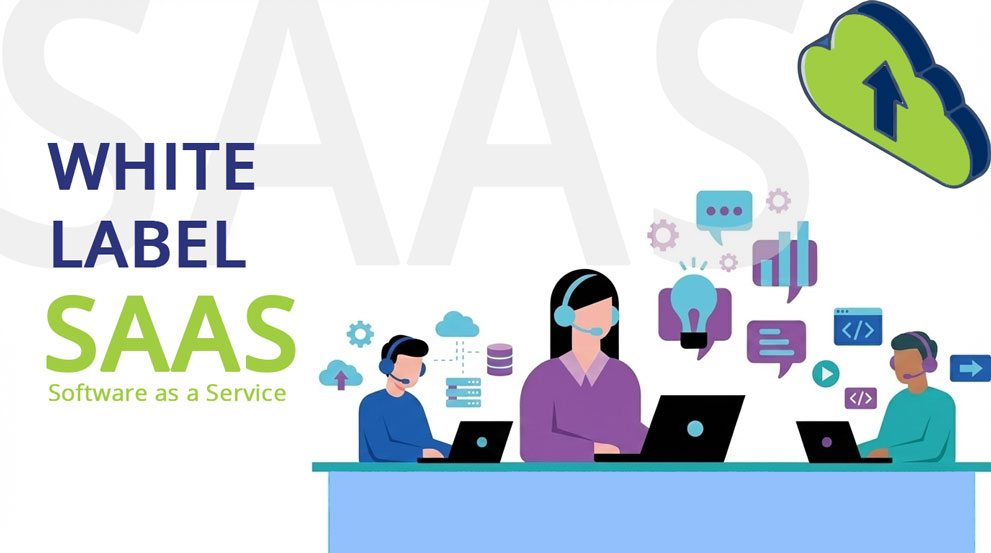
White-label development lets agencies and businesses deliver websites, apps, and software under their own brand while a specialized partner builds everything behind the scenes. Clients never see the third-party team.
TL;DR / Key Takeaways
- White-label development is the practice of outsourcing technical work so the delivering company can rebrand and sell the finished product as its own.
- Agencies use it to expand service offerings, protect margins, and scale without recruiting or managing large in-house development teams.
- The partner remains completely invisible under strict NDAs and IP assignment.
- Common deliverables include websites, mobile apps, e-commerce platforms, custom software, and ongoing support.
- Success depends on clear processes, quality control, and a partner that prioritizes brand safety and reliable delivery.
White-label development is a partnership model in which a specialized provider builds websites, software, mobile applications, or digital products for another company that then markets and sells those deliverables under its own brand. The technical partner stays invisible to the end client. Agencies, consultancies, and product companies use this approach to expand their service catalogs, meet client demand, and improve margins without the overhead of hiring and managing full-time technical teams. For agencies seeking a reliable partner, Bantech’s white-label partnership services provide exactly this kind of behind-the-scenes delivery across web, mobile, e-commerce, AI, and more.
The model draws from the long-standing retail practice of white-label manufacturing, in which one company produces goods that another sells under its own label. In technology, the same principle applies: the agency owns the client relationship, branding, pricing, and support experience, while the development partner handles design, coding, testing, and deployment.
How White-Label Development Works for Agencies
White-label development works through a structured, confidential process that keeps the end client focused solely on the agency. It typically begins with discovery and scoping. The agency gathers requirements from its client and shares a clear brief with the white-label partner under a mutual NDA. The partner then estimates timeline, cost, and resource needs while the agency remains the single point of contact for the client.
Next comes planning and design. Wireframes, UI designs, and technical architecture are created to match the agency’s brand guidelines and the client’s functional needs. Development follows using the agreed stack (WordPress, custom PHP, React, native mobile frameworks, or whatever fits the project). Regular internal reviews allow the agency to check progress and quality before anything reaches the client.
Testing, revisions, and final delivery complete the cycle. Source code, documentation, and credentials are handed over fully cleaned of any partner branding. IP ownership transfers to the agency (and ultimately the client) upon payment. Ongoing maintenance or support retainers can continue under the same white-label arrangement.
Throughout, communication channels, project tools, and repositories are controlled so the partner never contacts the end client. This invisibility is the core difference from conventional outsourcing, where the third party may interact directly or appear in project materials. Agencies exploring broader capacity options can also review Bantech’s IT outsourcing approach for complementary models.
Key Benefits of White-Label Development Services
Agencies turn to white-label development because it solves several practical growth constraints at once. First, it expands the service menu overnight. A marketing agency can add professional website development, e-commerce builds, or custom web applications without recruiting developers, designers, or QA specialists.
Second, it protects and improves margins. Building an in-house team involves salaries, benefits, tools, office space, training, and the risk of idle capacity during slow periods. A white-label partner converts those fixed costs into variable project costs, so agencies pay only for work delivered. Many agencies report significantly higher gross margins on resold development work compared with pure service delivery.
Third, it accelerates time to market. Experienced partners already maintain reusable components, proven workflows, and skilled teams. Projects move from brief to launch faster than starting from a cold in-house hire or a less specialized freelancing model.
Fourth, it reduces risk. Quality assurance, security practices, and delivery accountability sit with the partner. Agencies retain full control of the client relationship and brand experience while shifting technical execution risk.
Fifth, it supports flexible scaling. Demand fluctuates. White-label arrangements allow agencies to ramp capacity up for busy seasons and scale down without layoffs or long-term contracts that lock in unused resources.
These advantages explain why white-label arrangements have become a standard growth lever for digital agencies that want to stay competitive without becoming full software houses themselves. Real-world results from similar engagements are documented in Bantech’s case studies.
White-Label Development vs Traditional Outsourcing
The distinction matters. Traditional outsourcing often involves visible third-party involvement. Clients may know a subcontractor is handling part of the work, and sometimes they communicate directly with that team. Branding of deliverables can be mixed or neutral.
White-label development enforces complete invisibility. NDAs, non-solicitation clauses, and brand guidelines ensure the partner’s name never appears in client-facing materials, code comments, or documentation. The agency maintains exclusive ownership of the relationship and presents every deliverable as its own.
| Aspect | Traditional Outsourcing | White-Label Development |
| Visibility to end client | Often known or partially visible | Completely invisible |
| Branding of deliverables | May include or reference the partner | Fully rebranded under the agency |
| Client communication | Sometimes direct | Always routed through the agency |
| IP and ownership | Usually assigned, but process varies | Clear work-for-hire and full assignment |
| Best for | Overflow capacity or specialized tasks | Scaling branded service offerings |
| Risk of client poaching | Higher if partner is visible | Minimized by contract and process |
Agencies that want to protect their brand equity and client loyalty almost always prefer the white-label model for client-facing digital products.
Common Services Included in White-Label Development
White-label partners typically offer a broad menu that agencies can selectively resell:
- Website and CMS development (WordPress, custom builds, Drupal, and similar platforms)
- Mobile app development (native iOS/Android and cross-platform)
- E-commerce platforms and customizations (Shopify, Magento, WooCommerce, headless commerce)
- Custom web applications, dashboards, CRMs, and portals
- UI/UX design and design systems
- Plugin, extension, and API development
- Technical SEO, performance optimization, and ongoing maintenance
- AI-powered features, blockchain components, and specialized integrations when required
The partner handles the full technical lifecycle while the agency manages discovery, client communication, project oversight, and final presentation. Many agencies start with websites and e-commerce, then expand into apps and more complex software as confidence and demand grow.
Practical Considerations and Potential Challenges
White-label development works best when both sides invest in clear processes. Agencies should maintain a dedicated technical liaison who reviews work before it reaches the client. Detailed briefs, acceptance criteria, and milestone reviews prevent misalignment.
Quality control is non-negotiable. The agency’s reputation is on the line, so partners must demonstrate consistent coding standards, testing rigor, and documentation practices. NDAs and IP assignment clauses must be ironclad.
Communication discipline matters. All client-facing language, status updates, and support tickets should flow through the agency. Time-zone differences and cultural alignment can affect responsiveness, so choosing a partner with proven remote collaboration habits is essential.
Pricing models vary: fixed-price projects, dedicated resources billed monthly, or hourly for smaller tasks. Agencies need to understand their own markup strategy so resale pricing remains competitive while preserving healthy margins.
When these elements are handled well, the model becomes a durable competitive advantage rather than a short-term capacity fix.
When White-Label Development Makes Strategic Sense
The model fits especially well for:
- Digital marketing and creative agencies that want to offer development without building an engineering department
- Consultancies and systems integrators that need reliable backend delivery capacity
- Growing agencies facing more demand than their current team can handle
- Companies testing new service lines (mobile, e-commerce, AI features) before investing in permanent hires
It is less ideal when an agency’s core value proposition depends on highly specialized proprietary technology or when clients explicitly require direct access to the development team.
Agencies that already manage client relationships effectively and want to grow revenue without proportional growth in headcount find the highest return. The broader value-added reseller software market, of which white-label solutions form a fast-growing segment, is projected to reach $78 billion by 2026 according to industry analysis. Separately, Gartner notes that the custom software development services market continues to expand at nearly 9% CAGR and is expected to exceed $283 billion by 2028 .
Choosing the Right White-Label Partner
Look for partners that emphasize confidentiality, clear IP transfer, flexible engagement models, and transparent project management. Ask about their experience working exclusively with agencies, their quality assurance processes, and how they handle revisions and post-launch support. Review sample documentation and code standards (cleaned of any branding) to assess professionalism.
A strong partner functions as an extension of the agency’s delivery capacity rather than a distant vendor. Communication remains structured, deadlines are reliable, and the final product requires minimal rework before client presentation.
Related Questions
What is the difference between white-label development and co-branded delivery?
White-label keeps the partner completely invisible. Co-branded delivery allows the partner to be named or partially visible, which can suit specialized joint ventures but reduces brand exclusivity for the agency.
Who owns the intellectual property in a white-label project?
Proper contracts assign all created IP and source code to the agency (or its client) upon payment. Work-for-hire language and explicit assignment clauses are standard.
Can white-label development include ongoing support and maintenance?
Yes. Many agencies keep the same partner on retainer for updates, security patches, hosting support, and feature enhancements, all still delivered under the agency brand.
Is white-label development suitable for complex custom software?
It works well for both standard websites and more complex applications, provided the partner has the required technical depth and the agency maintains clear requirements and review cycles.
How do agencies price white-label work for their clients?
Agencies typically apply a markup that covers their project management, account handling, and profit while remaining competitive. The exact margin depends on market rates, project complexity, and the agency’s overall positioning.
Final Thoughts
Ready to offer professional web, mobile, and software development under your own brand without building an internal team? Explore how a dedicated white-label partnership can expand your catalog, protect your margins, and let you focus on client relationships. Request a Quote and start the conversation today.
White-label development works through a confidential, structured process in which an agency collects client requirements, briefs a specialized partner under NDA, oversees internal reviews, and delivers the finished product under its own brand while the partner stays completely invisible.
TL;DR / Key Takeaways
- The process starts with alignment, NDAs, and a clear project brief controlled by the agency.
- Design, development, testing, and revisions happen behind the scenes with regular agency checkpoints.
- Final delivery includes clean source code, documentation, and full IP transfer under the agency brand.
- Communication with the end client always routes through the agency.
- Success depends on disciplined intake, quality gates, and a partner experienced in silent delivery.
White-label development works as a silent partnership model designed for agencies that want to sell technical services under their own brand. The agency owns every client-facing interaction. A specialized development partner handles the actual build, testing, and technical delivery while remaining completely invisible. This structure lets agencies expand their offerings, control the client relationship, and protect their margins without building a large internal engineering team. Agencies that want a proven partner for this exact workflow can explore Bantech’s white-label partnership services to see how the model operates in practice.
The process follows a clear sequence of stages that keep brand safety, quality, and timeline predictability at the center. Below is a practical breakdown of how white-label development works from first conversation to ongoing support.
Step 1: Partner Alignment and Legal Foundation
Before any project begins, the agency and the white-label partner establish the operating rules. This includes mutual non-disclosure agreements, non-solicitation clauses, and clear intellectual property assignment language. The partner agrees never to contact the end client and never to claim credit for the work.
Both sides also align on technical standards, preferred tech stacks, communication tools, response times, and escalation paths. Many agencies treat this stage as a one-time setup that then supports multiple future projects. Once the legal and operational framework is in place, individual projects can move much faster.
Step 2: Client Discovery and Internal Briefing
The agency conducts discovery with its own client. This includes business goals, functional requirements, design preferences, content readiness, existing systems, and success metrics. The agency then translates that information into a structured brief for the white-label partner.
A strong brief typically covers:
- Project objectives and target users
- Feature list and priority ranking
- Brand guidelines or design references
- Preferred platforms or technologies
- Timeline expectations and budget range
- Acceptance criteria and definition of done
The agency remains the single point of contact. The partner receives only the information needed to estimate and execute. This filtering step is one of the most important parts of how white-label development works, because it prevents scope confusion and protects the client relationship.
Step 3: Estimation, Planning, and Kickoff
The white-label partner reviews the brief, asks clarifying questions through the agency, and returns a timeline and cost estimate. The agency then decides on its own markup and presents the final proposal to the client.
Once the client approves, the agency issues a formal kickoff to the partner. Project management tools, shared repositories (with restricted access), and communication channels are set up so the partner can work as an extension of the agency team without any visible branding. Many agencies integrate the partner into their existing project management system so progress stays transparent on the agency side.
Step 4: Design and Development Under Agency Oversight
Design and development now proceed behind the scenes. The partner produces wireframes or high-fidelity mockups that match the agency’s or client’s brand. The agency reviews these internally and provides feedback before anything reaches the end client.
Once designs are approved, development begins. The partner follows the agreed coding standards, version control practices, and security requirements. Regular internal checkpoints (daily stand-ups or weekly demos for the agency only) allow the agency to monitor quality and progress. The end client continues to speak only with the agency account team.
This stage is where the white-label development process most clearly differs from traditional outsourcing. In a traditional model the client might speak directly with developers. In white-label work that never happens.
Step 5: Testing, Revisions, and Agency Quality Gates
Quality assurance is performed by the partner and then reviewed by the agency. Functional testing, cross-browser and device checks, performance validation, and security reviews all occur before the agency presents work to the client.
When revisions are needed, the agency collects client feedback, prioritizes it, and passes a clean list of changes to the partner. This creates a controlled feedback loop that protects both timeline and brand consistency. Multiple revision rounds are common and expected; the key is that the partner never receives unfiltered client comments that could create confusion or reveal the arrangement.
Step 6: Final Delivery, Handover, and Brand Cleanup
When the project meets the acceptance criteria, the partner prepares a complete handover package. This includes:
- Fully cleaned source code with no partner branding or comments
- Technical documentation and deployment instructions
- Admin credentials and environment details
- Any design files or assets used
IP ownership formally transfers to the agency (and typically onward to the client) upon final payment. The agency then presents the finished product to its client as its own work. From the client’s perspective, the entire project was delivered by the agency they hired.
Step 7: Post-Launch Support and Ongoing Retainers
Many white-label relationships continue after launch through support retainers, maintenance, or phased feature work. The same invisibility rules apply. The agency continues to own the client relationship while the partner handles technical updates, security patches, or new requirements under the existing agreement.
Flexible engagement models (dedicated resources, project-based, or hourly) allow agencies to scale support up or down as client needs change. This stage often becomes the most profitable part of the relationship because the heavy lifting of discovery and initial build is already complete.
How the Workflow Protects the Agency Brand
The entire white-label development process is built around three non-negotiable principles:
- The partner never appears in any client-facing material or communication.
- All feedback and decisions flow through the agency.
- IP and final deliverables are clean and fully owned by the agency side.
When these principles are followed, agencies can confidently sell development services, expand their catalog, and protect long-term client relationships. Agencies that want additional capacity options beyond pure white-label can also review Bantech’s approach to hiring dedicated software teams for hybrid models.
Common Process Variations Agencies Use
Not every engagement looks identical. Common variations include:
| Model | Best For | How It Works in Practice | Agency Control Level |
| Project-based | One-off websites or apps | Fixed scope, fixed price, clear milestones | High |
| Dedicated resource | Ongoing or multi-project work | Monthly dedicated developers working only for the agency | Very high |
| Hybrid / overflow | Peak demand periods | Core team in-house + white-label capacity on demand | High |
| Full virtual team | Agencies without any developers | Partner supplies design, development, and QA as a unit | High |
Agencies often start with project-based work and later move to dedicated resources once volume and trust increase. Documented results from completed projects appear in Bantech’s case studies, which illustrate how structured processes translate into reliable delivery.
Practical Tips for Running the Process Smoothly
- Maintain a single technical liaison inside the agency who reviews all partner work.
- Use clear acceptance criteria and written change requests.
- Keep all client communication logs and feedback centralized.
- Require the partner to use the agency’s preferred tools or provide clean exports.
- Build buffer time into internal schedules so client-facing deadlines stay realistic.
- Review code quality and documentation standards early rather than at the end.
According to Deloitte’s research on global outsourcing trends, a large majority of executives continue to use external partners for IT and technology functions, citing cost efficiency, access to specialized skills, and the ability to focus internal teams on core activities. Structured white-label arrangements build on these same drivers while adding the critical requirement of complete brand invisibility. Separately, Gartner’s analysis of the custom software development services market projects continued growth at nearly 9% CAGR through 2028, underscoring the ongoing demand for reliable, scalable delivery models that agencies can resell under their own names.
Measuring Success in the White-Label Workflow
Agencies track a few practical indicators to know the process is working:
- On-time delivery rate of partner milestones
- Number of revision cycles required before client acceptance
- Client satisfaction scores that credit the agency
- Margin after partner costs and agency overhead
- Percentage of projects that convert into ongoing retainers
When these numbers stay healthy, the white-label development process becomes a repeatable growth engine rather than a series of one-off handoffs.
Related Questions
How long does a typical white-label project take?
Timelines vary by scope. Simple brochure sites can move from brief to launch in a few weeks. Complex custom applications or e-commerce platforms often take two to four months. The agency controls the client-facing schedule and builds in review buffers.
Who manages the project day to day?
The agency owns the client relationship and overall project management. The white-label partner manages its internal development tasks and reports progress only to the agency.
What happens if the client requests major changes mid-project?
The agency evaluates the request, decides whether it is in scope or a change order, and then issues a clear instruction to the partner. The partner does not negotiate directly with the client.
Can the same process be used for mobile apps and custom software?
Yes. The same stages (brief, design, development, testing, clean handover) apply across websites, mobile apps, e-commerce platforms, and custom software. Only the technical tools and specialist roles change.
How is intellectual property handled at the end of the process?
Contracts specify that all created code, designs, and documentation transfer to the agency upon final payment. The partner retains no residual rights or branding claims.
Final Thoughts
Ready to put a reliable white-label development process to work for your agency? Start with a clear brief and a partner that already follows the invisible, quality-controlled workflow described above. Request a Quote and map your next project against a proven delivery system.
What Are the Benefits of White-Label Development?
The main benefits of white-label development are the ability to expand service offerings without hiring full technical teams, improve profit margins, accelerate delivery, reduce operational risk, and scale capacity flexibly while keeping full control of the client relationship and brand.
TL;DR / Key Takeaways
- Agencies can sell websites, apps, and software under their own brand without building an in-house development department.
- Fixed costs of hiring, training, and tools convert into variable project costs, protecting and often improving margins.
- Projects move faster because experienced partners already have processes, components, and specialists ready.
- Technical risk shifts to the partner while the agency retains complete ownership of the client relationship.
- Capacity can scale up or down with demand instead of locking in permanent headcount.
White-label development delivers a clear set of commercial and operational advantages for agencies, consultancies, and product companies that want to offer technical services under their own name. The model lets the agency stay focused on strategy, sales, and client relationships while a specialized partner handles design, coding, testing, and delivery behind the scenes. For teams evaluating this approach, Bantech’s white-label partnership services illustrate how these benefits translate into day-to-day delivery across web, mobile, e-commerce, and custom software work.
The advantages go beyond simple cost reduction. They touch growth, risk management, brand protection, and long-term competitiveness. Below is a practical look at the most important benefits of white-label development and how agencies actually use them.
Expanded Service Catalog Without Permanent Headcount
One of the strongest benefits of white-label development is the ability to add high-demand technical services almost overnight. Marketing agencies, design studios, and consultancies can offer professional website development, e-commerce platforms, mobile apps, or custom web applications without recruiting developers, designers, or QA specialists.
This removes the usual barriers of hiring time, onboarding cost, and the risk of under-utilized staff during quieter periods. The agency presents a broader catalog to prospects, wins projects it previously had to decline or refer out, and keeps the full client relationship. Over time this expands revenue per client and strengthens the agency’s market position as a full-service provider.
Improved Profit Margins and Cost Structure
White-label development converts many fixed costs into variable ones. Salaries, benefits, software licenses, office space, training, and the cost of idle capacity disappear from the agency’s balance sheet. Instead, the agency pays only for the work delivered on each project.
This structure typically produces healthier margins on development work than pure in-house delivery or traditional outsourcing that still requires significant internal management overhead. Agencies set their own client pricing and apply a markup that covers project coordination, account management, and profit. Because the technical delivery cost is predictable and competitive, the resulting margin often exceeds what the same agency could achieve by building and maintaining its own engineering team.
Faster Time to Market and Delivery Predictability
Experienced white-label partners maintain reusable components, proven workflows, coding standards, and specialized talent already in place. As a result, projects move from brief to launch faster than starting with a cold hire or assembling freelancers for each engagement.
Faster delivery improves client satisfaction, shortens cash-conversion cycles, and lets the agency take on more work in the same calendar period. Predictable internal milestones also make it easier for the agency to set realistic client-facing deadlines and manage expectations with confidence.
Reduced Technical and Delivery Risk
Building software or complex websites carries inherent risks: technical debt, missed deadlines, quality issues, security gaps, and scope creep. In a white-label arrangement many of these risks shift to the partner. The agency retains control of the client relationship and final presentation while the partner is accountable for code quality, testing, and on-time delivery under the agreed scope.
Clear contracts, NDAs, and quality gates further protect the agency. When problems arise, the agency addresses them through its partner rather than through an internal team that may lack the required depth or capacity. This risk transfer is one of the less visible but highly valued advantages of white label development.
Flexible Scaling With Demand
Client demand fluctuates. White-label development lets agencies ramp capacity up for busy seasons or large projects and scale it down when the pipeline is lighter. There is no need to hire or lay off permanent staff to match short-term volume.
This flexibility supports both growth phases and more cautious periods. Agencies can test new service lines (mobile apps, AI features, specialized e-commerce) with limited commitment and expand only when demand proves consistent. The same model also works for overflow capacity when an existing in-house team is already fully booked.
Full Brand Control and Client Relationship Ownership
Unlike traditional outsourcing where the third party may be visible or interact directly with the client, white-label development keeps the partner completely invisible. Every deliverable appears under the agency’s brand. All communication flows through the agency. Intellectual property transfers cleanly.
This protects long-term client loyalty and brand equity. Clients see the agency as the single accountable provider. The agency can continue the relationship with support, maintenance, and future projects without worrying that the technical partner will compete for the same client.
Access to Specialized Skills and Current Technology
Few agencies can justify full-time specialists in every emerging area: advanced front-end frameworks, mobile performance optimization, complex e-commerce integrations, AI features, or blockchain components. A white-label partner already maintains these skills across multiple clients.
The agency therefore gains access to current technology and specialized talent on a project basis without the cost of permanent hires or continuous training. This keeps the agency’s offerings competitive even as the technical landscape evolves.
Comparison of Key Benefits
| Benefit | In-House Team | Traditional Outsourcing | White-Label Development |
| Service expansion speed | Slow (hiring required) | Moderate | Fast (ready capacity) |
| Margin potential | Constrained by fixed costs | Variable, often lower | Typically higher and more controllable |
| Brand visibility of partner | None | Often partial or full | Completely invisible |
| Scaling flexibility | Low (fixed headcount) | Moderate | High (on-demand) |
| Client relationship ownership | Full | Shared or at risk | Full and protected |
| Access to specialists | Limited by budget | Available but visible | Available and invisible |
The table highlights why many agencies prefer the white-label model once they experience the combination of control, margin, and flexibility it provides. Real project outcomes that demonstrate these advantages in practice can be reviewed in Bantech’s case studies.
Strategic and Competitive Advantages
Beyond the immediate operational gains, white-label development supports longer-term strategy. Agencies can respond more quickly to market demand, enter adjacent service categories, and present a more complete solution to larger clients. They can also free internal senior staff from day-to-day production so those people can focus on higher-value activities such as strategy, new business, and account growth.
According to Deloitte’s ongoing research into global outsourcing and technology partnerships, organizations continue to turn to external specialists for technology delivery in order to gain speed, specialized capability, and cost efficiency while concentrating internal resources on core activities. White-label arrangements take the same logic and add the requirement of complete brand invisibility, which is especially valuable for agencies whose primary asset is their client relationships and reputation. Market data from Gartner on custom software development services further shows sustained demand for scalable delivery capacity, reinforcing the commercial logic of models that let agencies resell high-quality technical work under their own names.
Agencies that already manage strong client relationships and want additional delivery options can also explore Bantech’s broader IT outsourcing services as a complementary path when pure white-label is not the only requirement.
Potential Trade-Offs and How Strong Partners Address Them
No model is without considerations. Agencies must invest in clear briefing, internal review processes, and quality gates so that the final product consistently meets their standards. Choosing a partner with proven agency experience, rigorous NDAs, and transparent communication reduces most of these concerns.
When the partnership is well structured, the benefits of white-label development consistently outweigh the coordination effort required. The agency gains a reliable production engine while remaining the face of every engagement.
Related Questions
How do white-label development benefits compare with building an in-house team?
In-house teams offer maximum control but come with high fixed costs, hiring delays, and limited flexibility. White-label development provides faster expansion, better margin potential, and scalable capacity while still allowing the agency to own the client relationship and brand.
Can white-label development improve cash flow?
Yes. Faster project cycles and the shift from fixed to variable costs often improve cash conversion. Agencies also avoid large upfront investments in talent and infrastructure.
Do the benefits apply to both small and large agencies?
Yes. Smaller agencies gain the ability to compete for larger or more technical projects. Larger agencies gain overflow capacity and specialized skills without permanent headcount increases.
How quickly can an agency start realizing these benefits?
Once a legal framework and briefing process are in place, many agencies begin seeing expanded service revenue and improved margins on the first few projects.
Is brand protection one of the core benefits?
Yes. Complete invisibility of the partner and clean IP transfer protect the agency’s reputation and long-term client relationships more effectively than most traditional outsourcing models.
Final Thoughts
The benefits of white-label development are clearest when the partner is reliable, the process is disciplined, and the agency stays firmly in control of every client interaction. If you are ready to expand services, protect margins, and scale without the overhead of a full technical department, Request a Quote and start the conversation with a team built for this exact model.
How Much Does White-Label Development Cost?
White-label development cost typically ranges from a few thousand dollars for simple websites to tens of thousands for custom applications and mobile apps, with final pricing driven by scope, complexity, technology, and timeline. Agencies often achieve substantial savings compared with pure US-based development rates.
TL;DR / Key Takeaways
- Simple brochure or marketing websites often fall between $3,000 and $12,000.
- Custom web applications, e-commerce platforms, and moderate-complexity projects commonly range from $15,000 to $50,000.
- Mobile apps and larger custom software builds usually start at $25,000 and can exceed $100,000 depending on features.
- Pricing models include fixed-price projects, dedicated monthly resources, and hourly arrangements.
- Working with an established partner such as Bantech Solutions typically brings the overall cost to roughly one-third of comparable US-based development rates.
White-label development cost is one of the most practical questions agencies ask before expanding their technical service offerings. Pricing is not a single fixed number. It depends on project scope, design requirements, integrations, platform choices, testing depth, and the engagement model. Understanding typical ranges in USD helps agencies set realistic client pricing, protect margins, and decide when the model makes commercial sense. Agencies evaluating delivery options can review Bantech’s white-label partnership services for a clear view of how structured pricing and delivery work together.
The figures below reflect common market ranges for white-label and professional outsourced development work delivered under an agency brand. Actual quotes always require a detailed brief.
Typical Cost Ranges by Project Type
Costs vary widely by deliverable. Here are practical USD ranges agencies commonly encounter:
Simple websites and marketing sites
Brochure sites, company profiles, and content-driven WordPress or similar CMS builds generally fall between $3,000 and $12,000. Factors that push costs higher include custom design systems, advanced animations, multiple language support, or complex content structures.
E-commerce platforms
Standard Shopify, WooCommerce, or Magento implementations with theme customization, payment gateways, and basic product catalogs often range from $8,000 to $25,000. Highly customized headless commerce, complex inventory logic, or multi-vendor setups can reach $30,000 to $60,000 or more.
Custom web applications
CRMs, client portals, dashboards, booking systems, and internal tools typically start around $15,000 and commonly land between $25,000 and $60,000 for mid-complexity work. Enterprise-grade applications with extensive integrations, role-based permissions, and advanced reporting can exceed $80,000.
Mobile applications
Native or cross-platform mobile apps (iOS and Android) usually begin at $25,000 for straightforward feature sets. Apps with real-time features, offline capability, complex backend systems, or third-party integrations frequently range from $40,000 to $100,000+.
Ongoing support and maintenance
Monthly retainers for updates, security patches, hosting support, and minor enhancements often run from $500 to $3,000+ per month depending on the size of the application and required response times.
These ranges assume professional quality, proper testing, documentation, and clean IP handover. Extremely low quotes usually signal compromises in quality, communication, or long-term maintainability.
Pricing Models Used in White-Label Development
Agencies and partners typically work under one of three common models:
| Pricing Model | How It Works | Best For | Typical Cost Characteristics |
| Fixed-price project | Scope defined upfront, single or milestone payments | Clear requirements, defined deliverables | Predictable total cost, change orders for extras |
| Dedicated resources | Monthly fee for one or more full-time specialists | Ongoing work or multiple projects | Stable monthly cost, high control and continuity |
| Hourly / time & materials | Billed for actual hours worked | Evolving scope or smaller tasks | Flexible, requires active oversight |
Fixed-price is popular for first-time or well-scoped projects because it gives the agency a clear number to mark up for the client. Dedicated resources become more efficient once volume is consistent. Hourly arrangements suit maintenance, small enhancements, or discovery phases.
Key Factors That Drive White-Label Development Cost
Several variables influence the final number:
- Scope and feature complexity — More screens, user roles, workflows, and business logic increase effort.
- Design requirements — Custom UI/UX, design systems, and high-fidelity prototyping add cost compared with template-based work.
- Technology stack — Modern frameworks, headless architectures, or specialized platforms can require more experienced (and higher-rate) talent.
- Integrations — Payment gateways, CRMs, ERPs, marketing tools, and custom APIs add both development and testing time.
- Platforms — Supporting both iOS and Android, or web plus mobile, multiplies effort.
- Quality and compliance needs — Accessibility standards, security reviews, performance budgets, and formal documentation raise the investment.
- Timeline pressure — Compressed schedules often require more parallel resources and therefore higher cost.
- Post-launch support — Including training, warranty periods, or retainers changes the overall engagement value.
A clear, detailed brief from the agency reduces uncertainty and usually produces more accurate (and often more competitive) pricing.
How Agencies Build Margin on White-Label Work
Agencies rarely pass partner costs through at cost. They apply a markup that covers account management, project coordination, quality review, client communication, and profit. Markups commonly range from 30% to 100%+ depending on the agency’s positioning, the complexity of the work, and local market rates.
Because the underlying delivery cost is significantly lower than pure US-based rates, agencies can still offer competitive client pricing while retaining healthy margins. This is one of the central commercial advantages of the white-label model.
Cost Comparison: White-Label vs In-House vs Pure US Development
Building an in-house team involves salaries, benefits, tools, management overhead, and the risk of under-utilization. Pure US-based agency or freelance rates for comparable quality often run $100 to $200+ per hour. White-label partnerships with established offshore or nearshore providers typically operate at a fraction of those rates while still delivering professional standards, NDAs, and clean IP transfer.
When agencies work with an established company such as Bantech Solutions, the overall cost of white-label development is typically only about one-third of the cost of developing the same project with comparable quality in the USA. This saving comes from efficient global delivery models, experienced teams, mature processes, and lower operational overhead, while quality, communication, and brand protection standards remain high.
Documented project outcomes that reflect realistic scopes and delivery quality are available in Bantech’s case studies.
Getting an Accurate Quote
The most reliable way to determine white-label development cost for a specific project is to prepare a structured brief covering goals, features, design expectations, integrations, platforms, and timeline. Reputable partners respond with a breakdown of effort, assumptions, and pricing options rather than a single vague number.
Agencies that want flexible capacity beyond pure project pricing can also explore Bantech’s options for hiring dedicated software development teams when ongoing volume justifies a different engagement model.
Industry research consistently shows that organizations continue to use external technology partners to access specialized skills and improve cost efficiency. Deloitte’s analysis of global outsourcing and technology delivery trends highlights cost optimization and access to expertise as enduring drivers. Separately, Gartner’s data on the custom software development services market underscores sustained demand for scalable, professionally delivered capacity that agencies can productize under their own brands.
Practical Advice for Agencies Managing Cost
- Invest time in a thorough brief. Ambiguity is the biggest driver of cost overruns and change orders.
- Decide early whether fixed-price or dedicated resources better match the expected volume.
- Build a consistent internal review process so quality issues are caught before they reach the client.
- Track actual partner costs against client invoices to refine your markup strategy over time.
- Consider longer-term retainers or dedicated capacity once you have steady demand. These models often improve unit economics.
When the partnership and briefing process are disciplined, white-label development cost becomes predictable and commercially attractive.
Related Questions
Why do white-label development costs vary so widely?
Scope, design complexity, integrations, platforms, quality requirements, and timeline pressure all influence effort. Two projects that look similar on the surface can differ significantly once detailed requirements are examined.
Is fixed-price or hourly better for controlling cost?
Fixed-price offers predictability when requirements are clear. Hourly or time-and-materials provides flexibility when scope is expected to evolve. Many agencies use fixed-price for the initial build and hourly for ongoing support.
How much markup do agencies typically apply?
Markups commonly range from 30% to over 100%, depending on the agency’s market positioning, the amount of project management involved, and competitive rates in their region.
Does choosing a lower-cost partner always save money?
Not necessarily. Very low rates can lead to quality issues, communication friction, rework, and hidden costs that erase the apparent savings. Established partners with clear processes usually deliver better overall value.
How does the cost of white-label development compare with hiring in-house?
In-house teams carry high fixed costs and utilization risk. White-label development converts those into variable project costs and typically delivers the work at a significantly lower total cost, especially when partnering with efficient global teams.
Final Thoughts
Understanding white-label development cost in clear USD terms helps agencies price confidently, protect margins, and decide when the model fits their growth plans. Because delivery through an established partner such as Bantech Solutions typically costs only about one-third of comparable US-based development, the commercial case is often compelling. Request a Quote with your project details and receive a transparent estimate you can use to plan client pricing and internal margins.
Yes, white-label development is almost always cheaper than hiring a full in-house team when total cost of ownership is considered. Agencies avoid salaries, benefits, tools, management overhead, and utilization risk, while still delivering professional work under their own brand at a fraction of the cost.
TL;DR / Key Takeaways
- In-house teams carry high fixed costs: salaries, benefits, software, equipment, management time, and the risk of idle capacity.
- White-label development converts those fixed costs into variable project or resource costs.
- Typical savings are substantial, especially when compared with US-based hiring rates.
- Working with an established partner such as Bantech Solutions usually brings delivery costs to roughly one-third of comparable US in-house or US agency rates.
- The model also provides flexibility that pure in-house hiring cannot match.
White-label development is cheaper than hiring an in-house team for the large majority of agencies that need reliable technical delivery without the overhead of building and managing a permanent engineering department. The difference becomes clear once total cost of ownership is examined rather than just hourly rates or base salaries. Agencies that want to understand how this cost advantage works in practice can review Bantech’s white-label partnership services.
The comparison is not only about the direct cost of writing code. It includes recruitment, onboarding, ongoing management, tools, benefits, office or remote infrastructure, training, and the financial impact of under-utilized staff during slower periods. White-label arrangements remove or dramatically reduce most of these line items.
The True Cost of an In-House Development Team
Hiring even a small in-house team creates a significant and ongoing financial commitment.
A single mid-level full-stack developer in the United States commonly costs $100,000 to $160,000 per year in base salary alone. Adding benefits, payroll taxes, health insurance, retirement contributions, and other employment costs often increases the total by 25% to 40%. Equipment, software licenses, cloud tools, and workspace add further expenses. Management time from a technical lead or project manager is another real cost that is frequently overlooked.
For a minimal viable team (for example, one developer, one designer, and part-time QA or project coordination), annual costs can easily reach $250,000 to $400,000 or more before the team has delivered a single client project. Utilization is rarely 100%. During sales gaps or between projects, the agency still pays full cost for capacity that is not generating revenue.
Recruitment itself is expensive and time-consuming. Time-to-hire for skilled developers is often measured in months. Onboarding and knowledge transfer add more delay and cost before the new hires become fully productive.
How White-Label Development Changes the Cost Structure
White-label development replaces most of those fixed costs with variable ones. The agency pays for the work that is actually delivered, either through fixed-price projects, dedicated monthly resources, or hourly arrangements.
There is no long-term salary commitment, no benefits package, no recruitment fees, and no cost for idle time. The partner already maintains the necessary tools, infrastructure, and specialized skills. The agency’s main internal costs become project coordination, quality review, and client communication, which are far lower than the overhead of managing a full technical team.
Because established white-label partners operate with efficient global delivery models, the underlying cost of the technical work is substantially lower than equivalent US-based in-house or agency rates. When agencies partner with a company such as Bantech Solutions, the overall cost of white-label development is typically only about one-third of the cost of developing the same work with comparable quality through a US-based in-house team or US agency.
Side-by-Side Cost Comparison
| Cost Category | In-House Team (US) | White-Label Development |
| Developer / specialist cost | 100,000–160,000+ salary + 25–40% burden | Project or monthly resource fee (far lower) |
| Benefits and employment costs | Significant and mandatory | None for the agency |
| Recruitment and onboarding | High (time + fees) | None |
| Tools, licenses, infrastructure | Ongoing agency expense | Included in partner delivery |
| Management and oversight | Substantial internal time | Limited to coordination and review |
| Idle / under-utilization risk | High (paid regardless of workload) | Low (pay for actual work or reserved capacity) |
| Scaling flexibility | Slow and expensive | Fast and low-commitment |
| Typical total cost for equivalent output | High fixed annual cost | Variable and significantly lower |
The table illustrates why the total cost of ownership almost always favors white-label development for agencies whose primary business is not pure software product development.
When In-House Can Still Make Sense
There are situations where building an internal team is the better long-term choice. Agencies that have very high, consistent volume of similar technical work, that need deep proprietary knowledge embedded in the product, or that compete primarily on unique technical capability may eventually justify in-house capacity.
Even in those cases, many organizations still use white-label or external partners for overflow, specialized skills, or peak periods. The pure either-or decision is less common than a hybrid approach.
For the majority of digital agencies, marketing firms, and consultancies, the volume and nature of technical work do not justify the fixed cost and management burden of a full internal team. White-label development provides the required capacity at lower cost and with greater flexibility.
Additional Financial Advantages Beyond Direct Cost
Lower cost is only part of the picture. White-label development also improves cash flow predictability, reduces financial risk, and allows agencies to price client work more competitively while protecting margins. Faster project starts and shorter delivery cycles improve the speed at which work converts into revenue.
Agencies can test new service lines (mobile apps, complex e-commerce, specialized integrations) with limited financial commitment. If demand does not materialize, they simply stop using the capacity. An in-house hire creates ongoing cost whether the new service succeeds or not.
Documented examples of projects delivered under this model appear in Bantech’s case studies.
Practical Cost Considerations for Agencies
- Calculate the fully loaded cost of an in-house hire (salary + burden + tools + management) before comparing.
- Include realistic utilization rates. Few teams stay at 100% billable.
- Factor in recruitment time and the opportunity cost of delayed projects.
- Compare against actual white-label quotes for equivalent scope rather than generic hourly rates.
- Consider hybrid models once volume is high enough to support some internal capacity plus external flexibility.
Agencies that need ongoing capacity without the full cost of permanent hires can also explore Bantech’s dedicated team options as a middle path between pure project-based white-label and full in-house employment.
According to Deloitte’s research on global outsourcing and technology partnerships, cost efficiency and access to specialized skills remain primary reasons organizations continue to use external delivery partners. Gartner’s analysis of the custom software development services market similarly shows sustained demand for scalable capacity that does not require building large internal teams, reinforcing the economic logic of well-structured white-label models.
Long-Term Financial Impact
Over a multi-year period the cumulative savings from white-label development are often substantial. Agencies avoid repeated recruitment cycles, retain the ability to adjust capacity quickly, and keep more of their revenue as margin rather than absorbing it into fixed technical overhead. The capital and management attention that would have gone into building and maintaining a development team can instead be directed toward sales, client success, and higher-value services.
For most agencies the answer is clear: white-label development is significantly cheaper than hiring an in-house team when all costs are counted, while still allowing the agency to deliver professional results under its own brand.
Related Questions
How much cheaper is white-label development than an in-house team?
When total cost of ownership is compared, white-label delivery through an established partner is frequently one-third or less of the cost of equivalent US-based in-house capacity, while eliminating most fixed overhead and utilization risk.
Does white-label development include management and quality control costs?
The partner handles technical management and quality within the agreed scope. The agency still invests in briefing, review, and client communication, but these costs are far lower than managing a full internal team.
Can white-label development become more expensive at high volume?
At very high, consistent volume some agencies eventually build partial in-house capacity. Even then, many continue using white-label partners for specialized skills and overflow because the flexibility and cost advantages remain.
What hidden costs should agencies watch for with in-house teams?
Recruitment fees and time, onboarding productivity loss, benefits and employment taxes, software and infrastructure, management overhead, training, and paid idle time during slower periods are the most common.
Is the cost advantage the only reason agencies choose white-label?
No. Flexibility, speed to market, access to specialized skills, and the ability to keep full ownership of the client relationship are equally important for many agencies. The lower cost simply makes the overall case stronger.
Final Thoughts
White-label development is cheaper than hiring an in-house team for the majority of agencies once salaries, benefits, tools, management, and utilization risk are fully counted. The savings are especially clear when delivery comes from an established partner such as Bantech Solutions, where costs are typically only about one-third of comparable US-based development. Request a Quote with your typical project profile and see a concrete cost comparison for your situation.
White-label development is a specialized form of outsourcing in which the technical partner remains completely invisible, all work is delivered under the agency’s brand, and the agency retains exclusive ownership of the client relationship. Traditional outsourcing often allows the third party to be visible or to communicate directly with the end client.
TL;DR / Key Takeaways
- Traditional outsourcing frequently involves some level of partner visibility or direct client contact.
- White-label development enforces complete invisibility, full rebranding, and zero end-client contact with the partner.
- The agency owns the relationship, branding, and final presentation in white-label arrangements.
- Both models can reduce cost and add capacity, but they serve different strategic goals.
- Agencies that want to sell technical services under their own name almost always prefer the white-label model.
White-label development and traditional outsourcing both involve using an external team to deliver technical work. The critical difference lies in visibility, branding, communication, and ownership of the client relationship. Understanding this distinction helps agencies choose the right model for growth, margin protection, and brand control. Agencies exploring the fully branded approach can review Bantech’s white-label partnership services to see how the invisible delivery model operates in practice.
Traditional outsourcing is a broad category. It includes any arrangement in which work is performed by an external provider. White-label development is a specific, stricter subset designed for agencies and companies that need to present the finished product as entirely their own.
Core Definitions
Traditional outsourcing
An organization contracts an external provider to perform specific work or functions. The provider may be known to the end client, may communicate directly with them, and may appear in project materials, documentation, or support interactions. Branding of the final deliverable can be neutral, shared, or only partially controlled by the contracting company.
White-label development
An agency or company contracts a specialized partner to design, build, and test websites, applications, or software. The partner works under strict confidentiality, never contacts the end client, and delivers all work cleaned of any identifying marks. The agency rebrands everything and presents it as its own. Intellectual property transfers fully, and the agency remains the sole face of the engagement.
The difference is not merely semantic. It changes how the client experiences the project, how the agency protects its brand equity, and how long-term relationships are managed.
Side-by-Side Comparison
| Aspect | Traditional Outsourcing | White-Label Development |
| Visibility to end client | Often known or partially visible | Completely invisible |
| Branding of deliverables | Neutral, shared, or partially controlled | Fully rebranded under the agency |
| Client communication | Sometimes direct with the partner | Always routed exclusively through the agency |
| Intellectual property | Usually assigned, process can vary | Clear work-for-hire and full assignment |
| Partner appearance in materials | Possible in code comments, docs, or support | Strictly prohibited |
| Primary goal | Cost reduction, capacity, or specialized skills | Branded service expansion + relationship ownership |
| Risk of client poaching | Higher if partner is visible | Minimized by contract and process |
| Best suited for | Internal IT functions or known subcontracting | Agencies selling development under their own name |
This comparison shows why the two models are not interchangeable for agencies whose core asset is their client relationships and brand reputation.
Visibility and Brand Control
In traditional outsourcing the end client frequently knows that part of the work is being handled by a third party. This can be acceptable for internal corporate IT projects or when the contracting company has no need to claim the work as its own. For a digital agency selling website or application development, however, visible subcontracting can undermine the perception that the agency itself possesses the required capability.
White-label development removes this risk entirely. The partner operates under NDA and non-solicitation terms. No partner branding appears in the interface, source code, documentation, or communications. From the client’s perspective the agency delivered the entire project.
Communication and Relationship Ownership
Traditional outsourcing often allows or even encourages direct communication between the technical team and the end client. This can speed up certain decisions, but it also creates the possibility that the client begins to view the external team as the real provider.
In white-label development every interaction is filtered through the agency. Feedback, status updates, change requests, and support all flow through the agency’s account team. The partner receives only cleaned, prioritized instructions. This structure keeps the agency firmly in control of the relationship and prevents the partner from building independent rapport with the client.
Intellectual Property and Final Ownership
Both models can include IP assignment clauses. In practice, white-label agreements tend to be more explicit and rigorous because the entire value proposition depends on the agency being able to claim full ownership and present the work without residual partner claims. Clean code handover, removal of any partner identifiers, and formal assignment upon payment are standard requirements.
Strategic Purpose and Best Use Cases
Traditional outsourcing is frequently chosen when the primary goals are cost reduction, access to specialized skills, or handling internal workload overflow. The contracting organization may not need to hide the arrangement.
White-label development is chosen when the primary goals are:
- Expanding the agency’s branded service catalog
- Protecting and strengthening client relationships
- Maintaining the perception of in-house technical capability
- Capturing higher margins on technical work while keeping full ownership of the client
Agencies that want pure capacity without the branding constraints can also explore Bantech’s broader IT outsourcing services for situations where visibility is less critical.
Cost Considerations in Both Models
Both approaches can deliver cost advantages compared with pure in-house hiring. White-label development often provides an additional commercial benefit because the agency can apply a full markup while still offering competitive client pricing. The underlying delivery cost remains significantly lower than equivalent US-based rates. When agencies work with an established partner such as Bantech Solutions, the overall cost is typically only about one-third of comparable US-based development, giving substantial room for healthy agency margins.
Documented project results that reflect both the process discipline and commercial outcomes of the white-label model are available in Bantech’s case studies.
When Agencies Should Choose White-Label Over Traditional Outsourcing
Choose white-label development when:
- You sell technical services under your own brand
- Client perception of your capabilities matters
- You want to own the long-term relationship and future work
- You need clean IP and zero partner visibility
Traditional outsourcing may be sufficient when:
- The work is purely internal
- The client already expects or accepts subcontracting
- Brand presentation of the technical work is not a priority
Most digital, marketing, and creative agencies fall into the first category and therefore benefit more from the white-label approach.
According to Deloitte’s research on global outsourcing trends, organizations continue to use external partners for technology delivery primarily to gain cost efficiency and specialized skills. White-label development builds on those same drivers while adding the strict requirements of invisibility and brand control that agencies need. Gartner’s analysis of the custom software development services market further shows sustained demand for scalable delivery capacity that can be productized and resold, reinforcing the strategic value of the white-label model for service firms.
Practical Implications for Agency Operations
The difference between the two models affects day-to-day operations. White-label requires the agency to maintain a clear briefing and review process because the partner cannot clarify requirements directly with the client. It also requires stronger internal project coordination. In exchange, the agency gains complete control over client experience and brand presentation.
Traditional outsourcing can feel simpler in the short term because the partner may handle more direct communication. Over time, however, it can erode the agency’s position as the primary provider.
Agencies that master the white-label workflow typically find it becomes a repeatable, high-margin production system rather than a series of ad-hoc subcontracts.
Related Questions
Is white-label development a type of outsourcing?
Yes. It is a specialized form of outsourcing defined by complete partner invisibility, full rebranding under the agency, and exclusive agency ownership of the client relationship.
Can traditional outsourcing be made to look like white-label?
Only if the contract and process enforce zero client contact, full brand cleanup, and strict NDAs. Without those controls it remains traditional outsourcing with residual visibility risk.
Which model better protects long-term client relationships?
White-label development. Because the partner never builds a direct relationship with the client, the agency remains the sole point of contact and the natural provider for future work.
Does white-label development cost more than traditional outsourcing?
Not necessarily. Pricing depends more on the partner’s rates, scope, and location than on the white-label versus traditional distinction. The commercial advantage of white-label often comes from the agency’s ability to apply a full branded markup.
When should an agency use both models?
Some agencies use white-label for all client-facing development and traditional outsourcing for purely internal tools or non-branded work. The key is matching the model to the visibility and relationship requirements of each project.
Final Thoughts
The difference between white-label development and traditional outsourcing is fundamentally about control, branding, and ownership of the client relationship. For agencies that sell technical services under their own name, the white-label model provides clearer brand protection and stronger long-term positioning. Request a Quote to discuss how a fully invisible delivery partnership can support your service expansion and margin goals.
Choose a white-label development partner by evaluating agency-specific experience, strict confidentiality and IP practices, clear communication processes, proven quality standards, relevant technical capabilities, transparent pricing, and verifiable references. The right partner functions as a silent extension of your team while protecting your brand and client relationships.
TL;DR / Key Takeaways
- Prioritize partners with demonstrated experience working exclusively or primarily with agencies.
- Insist on strong NDAs, non-solicitation clauses, and clean IP assignment.
- Assess communication discipline, project management practices, and quality gates.
- Review technical coverage, scalability options, and pricing models for fit.
- Check real references and sample work cleaned of any partner branding.
Selecting the right white-label development partner is one of the highest-leverage decisions an agency can make when expanding its technical service offerings. A strong partner multiplies capacity, protects margins, and stays completely invisible. A weak partner creates quality issues, communication friction, and brand risk. Agencies that want a proven option built for this exact model can begin by reviewing Bantech’s white-label partnership services.
The selection process should be deliberate. Below are the practical criteria that separate reliable white-label partners from generic outsourcing vendors.
1. Proven Experience Working With Agencies
Not every development company understands agency workflows. Look for partners that already serve digital, marketing, creative, or consulting agencies as a primary client type. Ask specifically about:
- How they handle agency briefing and feedback loops
- Whether they have experience staying completely invisible to end clients
- How they manage multiple concurrent agency projects
- Whether they understand the difference between delivering for an end client versus delivering for an agency that must rebrand the work
Partners who primarily serve direct corporate clients often struggle with the extra layer of indirection and brand protection that white-label work requires.
2. Strict Confidentiality, NDAs, and IP Protection
White-label development only works when the partner can never claim credit or contact the end client. Require:
- Mutual non-disclosure agreements
- Non-solicitation and non-compete language covering your clients
- Clear work-for-hire and intellectual property assignment clauses
- Written commitment that no partner branding, comments, or identifiers will appear in any deliverable
Ask to review sample contract language. A partner that hesitates on these points is not ready for true white-label work.
3. Communication Discipline and Project Visibility
Because the partner cannot speak with your clients, communication between the agency and the partner must be excellent. Evaluate:
- Preferred tools and response-time standards
- How status updates and risks are reported
- Whether they can work inside your existing project management system
- How they handle change requests and prioritization
- Escalation paths when issues arise
Strong partners treat the agency as the single source of truth and never attempt to clarify requirements directly with the end client.
4. Quality Processes and Technical Standards
Your reputation is on the line with every delivery. Assess:
- Coding standards and code review practices
- Testing approach (functional, cross-browser/device, performance, security)
- Documentation quality
- How they handle accessibility and maintainability
- Whether they provide clean, well-organized source code ready for handover
Request anonymized samples of previous work or a technical walkthrough of their process. Quality should be consistent and reviewable by your internal team before anything reaches the client.
5. Relevant Technical Capabilities and Scalability
Map the partner’s strengths against the services you want to sell. Confirm coverage for:
- Websites and CMS platforms
- E-commerce
- Custom web applications
- Mobile apps
- Integrations and APIs
- Ongoing support and maintenance
Also examine how easily they can scale resources up or down. Dedicated teams, project-based capacity, and hybrid models each serve different agency needs. Partners that offer flexible engagement options give you more room to grow without repeated vendor searches.
6. Transparent Pricing and Commercial Alignment
Request clear information on:
- Pricing models (fixed-price, dedicated resources, hourly)
- What is included and what triggers change orders
- Typical response times for estimates
- Payment terms and milestone structures
Transparent partners help you model your own client pricing and margins accurately. Hidden fees or vague scoping create problems later.
7. Cultural Fit, Reliability, and References
Technical skill is necessary but not sufficient. Look for partners who understand agency timelines, respect brand standards, and communicate professionally under pressure. Ask for:
- References from other agencies (not only direct end clients)
- Examples of how they handled difficult revisions or tight deadlines
- Information on team stability and account management
Speaking with existing agency clients is one of the highest-value steps in the selection process.
Practical Selection Checklist
| Criterion | What to Verify | Red Flags |
| Agency experience | Track record serving agencies specifically | Only direct corporate clients |
| Confidentiality & IP | Strong NDA, non-solicit, clean assignment language | Resistance or vague IP terms |
| Communication | Clear tools, response standards, agency-only contact | Desire to speak directly with clients |
| Quality processes | Code standards, testing, documentation | No formal review or testing process |
| Technical coverage | Match to the services you want to sell | Narrow or outdated skill set |
| Pricing transparency | Clear models and inclusions | Vague quotes or frequent hidden costs |
| References | Verifiable agency clients | No agency references available |
| Scalability | Ability to add or reduce capacity | Rigid, single-engagement-only model |
Use this checklist during discovery calls and proposal reviews. Score each area consistently across shortlisted partners.
Additional Evaluation Steps
- Start with a smaller pilot project before committing large volume.
- Involve both commercial and technical reviewers from your side.
- Clarify how knowledge transfer and documentation will work at handover.
- Confirm time-zone overlap and language capabilities for smooth collaboration.
- Discuss long-term support options so you can offer retainers to your own clients.
Real-world results from structured white-label engagements can be reviewed in Bantech’s case studies. Agencies that need flexible capacity models beyond pure project work can also examine Bantech’s dedicated team options.
According to Deloitte’s research on global outsourcing and technology partnerships, organizations that succeed with external delivery partners place heavy emphasis on clear governance, cultural alignment, and measurable performance standards. Gartner’s analysis of the custom software development services market similarly highlights the importance of selecting providers that can scale reliably while meeting quality and process expectations, criteria that apply directly to white-label partner selection.
Common Mistakes to Avoid
- Choosing solely on lowest price without testing quality and communication.
- Skipping reference checks with other agencies.
- Accepting weak IP or non-solicitation language.
- Failing to define internal review processes before the first project.
- Assuming any outsourcing company can operate in true white-label mode.
The right partner reduces risk and multiplies your capacity. The wrong one creates rework, client dissatisfaction, and brand exposure.
Building a Long-Term Partnership
Once you select a partner, invest in clear briefing templates, acceptance criteria, and regular performance reviews. Treat the relationship as a strategic extension of your delivery capability rather than a series of one-off transactions. Over time the best partners learn your standards, anticipate needs, and help you expand into new service areas with confidence.
Related Questions
What is the most important factor when choosing a white-label partner?
Demonstrated experience working with agencies and a proven ability to stay completely invisible to end clients while delivering consistent quality.
Should I choose a partner based only on technical skills?
No. Technical capability is necessary, but confidentiality practices, communication discipline, agency workflow understanding, and reliable project management are equally critical.
How many partners should an agency evaluate?
Most agencies benefit from shortlisting three to five candidates, running structured discovery, checking references, and testing with a pilot project before larger commitments.
Is it better to work with a large or specialized white-label partner?
It depends on your volume and service mix. Specialized partners often provide deeper agency focus and more consistent white-label discipline. Larger firms may offer broader technical coverage and easier scaling.
How do I protect my clients when using a white-label partner?
Use strong NDAs, non-solicitation clauses, clean IP assignment, and a process that routes all communication exclusively through your agency. Never allow the partner direct client contact.
Final Thoughts
Choosing the right white-label development partner determines whether the model becomes a reliable growth engine or a source of ongoing friction. Focus on agency experience, confidentiality, communication, quality processes, and verifiable results. When you are ready to work with a partner that already meets these standards, Request a Quote and start a structured conversation about your requirements.
Yes, white-label software is specifically designed to be customized and rebranded. Agencies and companies can apply their own logo, colors, domain, interface elements, and in many cases deeper functional changes so the finished product appears as a fully native offering under their brand.
TL;DR / Key Takeaways
- Visual branding (logo, colors, typography, domain) is standard and expected.
- Functional customization of workflows, features, and integrations is commonly available.
- Depth of customization depends on whether the solution is a multi-tenant SaaS platform or a custom-built white-label project.
- Clean IP transfer and removal of all partner identifiers are part of proper white-label delivery.
- The goal is that end clients experience the software as belonging entirely to the agency or company selling it.
White-label software exists so that agencies, consultancies, and product companies can deliver technology under their own brand without building everything from scratch. Customization is not an optional extra. It is a core part of the model. Agencies that want to understand how branding and functional adaptation work in practice can review Bantech’s white-label partnership services.
The extent of customization varies by the type of white-label arrangement. Below is a clear breakdown of what is typically possible and how the process works.
Visual and Brand Customization (Standard)
Almost every professional white-label arrangement supports full visual rebranding. This usually includes:
- Agency or company logo and favicon
- Color palette and typography
- Custom domain or subdomain
- Login screens, email templates, and notification branding
- Removal of all partner logos, links, and references
When done correctly, the end user sees no indication that a third party was involved in building or powering the software. This level of branding is the minimum requirement for true white-label delivery.
Functional and Workflow Customization
Beyond appearance, many white-label solutions allow meaningful functional changes. Common options include:
- Enabling or disabling specific modules and features
- Adjusting user roles, permissions, and approval workflows
- Customizing dashboards, reports, and data views
- Adding or modifying form fields and business logic
- Integrating with the agency’s or client’s existing tools (CRM, marketing platforms, payment systems, etc.)
- Configuring multi-tenant settings when the agency will resell to multiple clients
The degree of flexibility depends on the underlying architecture. Multi-tenant SaaS white-label platforms offer configuration within predefined boundaries. Custom white-label development projects allow far deeper changes because the software is built or heavily adapted for the specific engagement.
Levels of Customization Compared
| Customization Level | Typical Scope | Best For | Flexibility |
| Visual / Brand only | Logo, colors, domain, basic UI theming | Simple reselling of existing platforms | Low–Medium |
| Configuration | Features on/off, roles, workflows, integrations | Most agency white-label SaaS use cases | Medium |
| Moderate custom development | New features, custom modules, deeper UI changes | Differentiated agency offerings | High |
| Full custom white-label | Architecture, unique functionality, complete control | Highly specialized or proprietary needs | Very High |
Agencies should match the required level of customization to their market positioning and the expectations of their clients. Over-customizing a rigid platform creates frustration. Under-customizing a flexible one leaves competitive advantage on the table.
Custom White-Label Development vs Pre-Built Platforms
There are two broad categories:
Pre-built or multi-tenant white-label platforms
These are existing software products designed for resale. Customization is achieved through configuration, theming, and approved extensions. Speed to market is high and ongoing updates are often handled by the platform provider. Limits exist on how far the core behavior can be changed.
Custom white-label development
A specialized partner builds or extensively adapts software according to the agency’s requirements. Branding is applied from the start, and functional scope can be defined almost without limit within budget and timeline constraints. This approach is common when agencies need unique workflows, industry-specific features, or complete control over the product roadmap.
Both models support brand customization. The choice depends on how unique the required functionality is and how much control the agency needs over future development.
The Customization and Branding Process
A typical process includes:
- Discovery of brand guidelines, functional requirements, and target user experience.
- Agreement on the depth of customization required.
- Design of interface elements that match the agency’s visual identity.
- Configuration or development of the required features and integrations.
- Internal agency review of the branded and customized version.
- Clean handover with all partner identifiers removed and IP assigned.
- Optional ongoing support for further enhancements under the same white-label terms.
Throughout this process the development partner remains invisible to the end client. All feedback and decisions route through the agency.
What Usually Cannot Be Customized (or Is Costly)
Even flexible white-label arrangements have boundaries:
- Core security or compliance architecture of a multi-tenant platform
- Fundamental data models that affect all tenants
- Features that would break the platform’s upgrade path
- Extremely specialized functionality that requires full custom development (and corresponding budget)
Understanding these limits early prevents scope surprises. Reputable partners will state clearly what is configurable, what requires custom work, and what is outside the platform’s design.
Why Brand Customization Matters for Agencies
Complete brand customization allows agencies to:
- Present a consistent, professional image across all client deliverables
- Build long-term equity in their own product or service offering
- Avoid educating clients about a third-party vendor
- Maintain full ownership of the client relationship and future upsell opportunities
- Differentiate from competitors who resell generic tools with minimal branding
When the software feels native to the agency, clients are more likely to view the agency as the true provider of value.
Documented examples of branded and customized deliveries appear in Bantech’s case studies. Agencies that need deeper custom development capacity can also explore Bantech’s options for dedicated software teams.
According to Deloitte’s research on technology partnerships and digital delivery, organizations increasingly seek external partners that can support both rapid deployment and meaningful adaptation to brand and process requirements. Gartner’s analysis of the custom software development services market similarly notes continued demand for solutions that balance speed with the ability to meet specific business and branding needs, reinforcing the value of flexible white-label models.
Practical Tips for Successful Brand Customization
- Provide complete brand guidelines (logo files, color codes, typography, tone of voice) at the start.
- Decide early how much functional uniqueness you need versus how quickly you want to launch.
- Require a clean preview environment that shows the fully branded experience before client handover.
- Confirm that all emails, notifications, error messages, and support footers are also branded.
- Include customization requirements in the original scope so they are properly estimated and scheduled.
When these steps are followed, the finished software presents as a natural extension of the agency’s brand rather than a third-party tool with a logo swap.
Related Questions
Can I use my own domain with white-label software?
Yes. Custom domains or subdomains are a standard part of professional white-label branding so users never see the partner’s domain.
How deep can functional customization go?
It depends on the platform or development approach. Configuration-level changes are common on multi-tenant platforms. Full custom development allows much deeper changes to features, workflows, and architecture.
Will the partner’s name appear anywhere after customization?
In a proper white-label arrangement, no. All visual, code-level, and documentation identifiers are removed before handover.
Is customization included in the base price?
Basic visual branding is usually included or available at modest cost. Deeper functional customization is typically scoped and priced according to the additional effort required.
Can white-label software be customized differently for each of my clients?
Many multi-tenant white-label platforms support per-client theming and configuration. Fully custom projects can also be built with multi-client flexibility when required.
Final Thoughts
White-label software is built to be customized for your brand. Visual identity, domain, interface, and often substantial functional behavior can be adapted so the finished product appears as your own. The right partner makes this process smooth, complete, and invisible to your clients. Request a Quote to discuss the level of branding and customization your projects require.
White-label development services are ideal for digital agencies, marketing firms, consultancies, and product companies that want to offer websites, apps, and software under their own brand without building a full in-house technical team. The model suits organizations that value client relationship ownership, margin control, and flexible capacity.
TL;DR / Key Takeaways
- Digital, marketing, creative, and design agencies are the primary users.
- Consultancies and systems integrators use it to add technical delivery without hiring large teams.
- Growing freelancers and small studios use it to expand service offerings and take on larger projects.
- Companies testing new digital service lines benefit from low-commitment capacity.
- It is less suitable for organizations that need deep proprietary technology as their core competitive advantage or that require the partner to be visible to clients.
White-label development services work best for organizations that want to sell technical work under their own name while keeping the actual development partner invisible. The model lets them expand capabilities, protect margins, and scale delivery without the fixed cost and management burden of a permanent engineering department. Agencies and firms evaluating this approach can review Bantech’s white-label partnership services to see how the model supports different types of users.
Not every organization is an equally good fit. The sections below outline who benefits most, why the model works for them, and when alternative approaches may be better.
Digital, Marketing, and Creative Agencies
This is the largest and most natural user group. Marketing agencies, digital agencies, branding studios, and creative firms frequently encounter client demand for websites, landing pages, e-commerce stores, and simple applications. Building an in-house development team is expensive and often under-utilized. Referring the work out risks losing the client relationship or margin.
White-label development solves both problems. The agency keeps the client, presents the work as its own, controls pricing, and delivers professional results without recruiting developers. Many agencies begin with websites and later expand into e-commerce, mobile apps, or custom tools once they gain confidence in the partner.
Consultancies and Professional Services Firms
Management consultancies, IT consultancies, and business advisory firms often identify technology needs during client engagements. They may lack the delivery capacity or prefer not to build large technical teams. White-label development allows them to offer implementation services under their own brand, deepen client relationships, and capture additional revenue while the specialized partner handles execution.
The model is especially useful when the consultancy’s primary value is strategy, process, or industry expertise rather than pure software engineering.
Growing Freelancers and Small Studios
Independent developers, designers, and small studios that are capacity-constrained or want to offer services beyond their core skills use white-label partners to scale. A freelance web designer, for example, can take on full website development projects by partnering for the technical build while remaining the face of the engagement. This supports growth without the immediate leap to full-time hires.
Product Companies and SaaS Providers
Some product companies use white-label development to create or adapt solutions they can resell under their own brand or offer as white-label platforms to their own partners. Others use it for internal tools, client portals, or companion applications that must carry their branding. The model provides flexibility when internal product teams are focused on the core offering.
Managed Service Providers and IT Service Firms
MSPs and IT service companies sometimes expand into application development or client-facing digital products. White-label arrangements let them offer these services without diverting their core infrastructure and support teams. Brand control remains important because the MSP wants to be seen as the single accountable provider.
Companies Testing New Service Lines
Organizations exploring whether to add web development, mobile apps, or custom software to their portfolio can use white-label development as a low-risk test. They gain real market feedback and revenue data before deciding whether to invest in permanent internal capacity. If demand proves consistent, they can later hybridize with some in-house resources while continuing to use the partner for overflow or specialized work.
Who Benefits Most: Quick Reference
| User Type | Primary Benefit | Typical Starting Point |
| Digital / Marketing agencies | Expand services, keep clients, protect margin | Websites and e-commerce |
| Creative / Design studios | Add development without hiring | Custom sites and interactive projects |
| Consultancies | Offer implementation under own brand | Client portals, tools, process apps |
| Growing freelancers / small teams | Scale capacity and service range | Overflow or specialized builds |
| Product / SaaS companies | Branded tools or resale platforms | Companion apps or white-label products |
| MSPs / IT service firms | Add application services | Client-facing digital solutions |
Who May Not Be the Best Fit
White-label development is less ideal in certain situations:
- Organizations whose core competitive advantage is deep, proprietary technology that must remain fully internal.
- Companies that require the development partner to interact directly with end clients or appear in joint branding.
- Firms with very high, consistent volume of identical technical work that already justifies a large, specialized in-house team.
- Buyers seeking the absolute lowest possible cost with minimal process discipline or brand protection requirements.
Even in some of these cases a hybrid model (core internal team plus white-label overflow) can still deliver value.
Key Characteristics of Strong Candidates
Organizations that succeed with white-label development typically share several traits:
- They already manage client relationships effectively and want to protect those relationships.
- They prefer variable costs over large fixed technical overhead.
- They value speed to market and the ability to scale capacity up or down.
- They are willing to invest in clear briefing, internal review, and quality gates.
- They see technical delivery as a means to serve clients rather than as their primary product.
When these conditions are present, white-label development becomes a repeatable growth lever rather than a temporary workaround.
Real project examples that show how different types of organizations use the model appear in Bantech’s case studies. Firms that need flexible capacity options can also explore Bantech’s dedicated team offerings.
According to Deloitte’s research on global outsourcing and technology partnerships, a wide range of organizations continue to use external specialists to access skills, improve cost efficiency, and focus internal resources on core strengths. White-label development applies the same logic with the added requirements of brand control and relationship ownership that matter most to agencies and client-facing service firms. Gartner’s analysis of the custom software development services market reinforces the ongoing demand for scalable delivery capacity that can be productized and offered under the buyer’s own brand.
How to Evaluate Fit for Your Situation
Ask these practical questions:
- Do we regularly encounter client demand for technical work we cannot currently deliver in-house?
- Is protecting the client relationship and our brand more important than having the partner visible?
- Would converting technical delivery from fixed to variable cost improve our margins or cash flow?
- Are we willing to maintain clear briefing and review processes so quality stays high?
- Do we want the option to test or expand service lines without immediate permanent hires?
Most agencies and consultancies that answer yes to the majority of these questions find white-label development a strong fit.
Related Questions
Are white-label development services only for agencies?
No. While agencies are the largest user group, consultancies, product companies, MSPs, growing freelancers, and firms testing new digital services also benefit when brand control and relationship ownership matter.
Can small agencies use white-label development effectively?
Yes. Many small agencies and studios use it precisely because they cannot yet justify full-time developers but still want to offer complete solutions and grow revenue.
Is white-label development suitable for startups?
It can be, especially for startups that need branded tools, client portals, or companion applications while keeping their core team focused on the primary product. Pure product companies building deep proprietary technology may prefer more internal control.
When should a company choose traditional outsourcing instead?
When partner visibility is acceptable or required, when the work is purely internal, or when brand presentation of the technical deliverable is not a priority.
Can large enterprises use white-label development?
Yes, particularly for specific business units, partner channels, or branded solutions offered to customers. Many large organizations combine internal teams with white-label or external capacity for flexibility.
Final Thoughts
White-label development services are designed for organizations that want to deliver technical work under their own brand while keeping the partner invisible and costs flexible. Digital agencies, consultancies, growing studios, and companies expanding their service lines are the strongest fits. If this describes your situation, Request a Quote and explore how a structured white-label partnership can support your growth plans.
Yes, white-label development is profitable for most agencies when the partner relationship, briefing process, and pricing strategy are handled well. Agencies typically achieve healthy margins by reselling technical work at a markup while converting fixed development costs into variable ones and expanding revenue without proportional headcount growth.
TL;DR / Key Takeaways
- Agencies earn profit by applying a markup on partner delivery costs while keeping full ownership of the client relationship.
- Lower fixed costs (no full in-house team) improve overall contribution margins.
- Expanded service offerings increase revenue per client and win rates.
- Working with an established partner such as Bantech Solutions typically keeps delivery costs at about one-third of comparable US rates, creating substantial room for agency margin.
- Profitability depends on clear scoping, disciplined review, realistic markups, and reliable partner performance.
White-label development is profitable for the majority of digital, marketing, and creative agencies that use it correctly. The model allows agencies to sell websites, applications, and software under their own brand, capture margin on the technical work, and grow revenue without the heavy fixed costs of an internal development department. Agencies that want to understand the commercial mechanics can review Bantech’s white-label partnership services.
Profitability is not automatic. It depends on how the agency prices the work, manages the partner, and controls internal coordination costs. When those elements are in place, the economics are often compelling.
How Agencies Make Money With White-Label Development
There are three primary profit drivers:
- Markup on delivery cost
The agency receives a price from the white-label partner and sells the same work to the client at a higher price. Markups commonly range from 30% to 100% or more, depending on the agency’s market positioning, the complexity of the project, and the amount of account management involved. Because the underlying delivery cost is significantly lower than pure US-based rates, agencies can remain competitive for clients while still retaining solid margin.
- Conversion of fixed costs to variable costs
Hiring in-house developers creates ongoing salaries, benefits, tools, and utilization risk. White-label development replaces most of those fixed costs with project-based or resource-based fees. The agency pays primarily when there is billable work. This improves contribution margins and reduces financial risk during slower periods.
- Increased revenue per client and higher win rates
Agencies that can offer complete technical solutions keep projects that would otherwise be referred out or lost. They also deepen relationships and create opportunities for ongoing support retainers, which are often high-margin. Over time this compounds into meaningfully higher lifetime value per client.
When agencies work with an established partner such as Bantech Solutions, the overall cost of white-label development is typically only about one-third of the cost of comparable development performed in the USA. That cost advantage is one of the largest contributors to agency-level profitability.
Typical Margin Dynamics
Exact margins vary by agency and project type, but the structure is consistent:
- Partner delivers the technical work at a known cost.
- Agency adds project management, quality review, client communication, and profit.
- Client pays a market rate that still feels competitive because the base cost is efficient.
- Net margin on the technical portion is often higher than the margin the agency earns on pure strategy or creative services that require senior internal time.
Support and maintenance retainers after the initial build frequently become the most profitable phase because the heavy discovery and development work is already complete.
Profitability Comparison Table
| Factor | Pure In-House Delivery | Traditional Referral / Loss of Project | White-Label Development |
| Revenue capture | Full (but high cost) | Little or none | Full under agency brand |
| Cost structure | High fixed | N/A | Mostly variable |
| Typical margin potential | Constrained by salaries & utilization | None | Healthy markup possible |
| Scalability of profit | Limited by headcount | None | Scales with demand |
| Client relationship ownership | Full | Often weakened | Full and protected |
| Risk of idle capacity | High | None | Low |
The table shows why white-label development often produces better overall economics than either building a full internal team or simply referring technical work away.
What Determines Whether It Is Profitable
Several controllable factors decide the outcome:
- Quality of the brief and scope — Clear requirements reduce change orders and rework that erode margin.
- Partner reliability — Consistent quality and on-time delivery minimize internal firefighting and client dissatisfaction.
- Realistic markup strategy — Under-pricing leaves money on the table. Over-pricing relative to local market rates reduces win rates.
- Internal process efficiency — Streamlined review and communication keep the agency’s own coordination costs low.
- Volume and mix — Higher volume and a healthy percentage of retainers improve overall profitability.
- Choice of partner cost base — Efficient global delivery partners create more room for agency margin than high-cost onshore-only options.
Agencies that treat white-label development as a managed production system rather than an occasional subcontract tend to see the strongest and most consistent profits.
Common Profitability Pitfalls and How to Avoid Them
- Choosing a partner solely on lowest price, then absorbing rework and quality costs.
- Failing to charge for project management and review time.
- Allowing scope creep without corresponding client change orders.
- Neglecting to build retainer or support revenue after the initial project.
- Using white-label capacity without internal quality gates, leading to client issues that damage future sales.
Disciplined agencies avoid these traps by investing in briefing templates, acceptance criteria, and regular partner performance reviews.
Real commercial outcomes from structured white-label engagements can be seen in Bantech’s case studies. Agencies that want flexible capacity models to further optimize utilization can also explore Bantech’s dedicated team options.
According to Deloitte’s research on global outsourcing and technology partnerships, cost efficiency and the ability to focus internal resources on higher-value activities remain central reasons organizations use external delivery partners. White-label development applies these advantages specifically to agencies that need to productize and resell technical work under their own brand. Gartner’s analysis of the custom software development services market shows continued growth in demand for scalable capacity, supporting the commercial logic of models that let service firms capture margin on technical delivery without building large internal teams.
Long-Term Profit Impact
Over multiple years the cumulative effect is significant. Agencies avoid repeated recruitment and training cycles, keep more client revenue in-house, and build higher-margin retainer books. The management attention that would have gone into running a development department can instead focus on sales, client success, and higher-value services. For many agencies this shifts the overall business toward a more scalable and profitable profile.
White-label development is not a guaranteed profit center. It becomes one when the agency selects the right partner, prices intelligently, and runs a clean internal process. Under those conditions the model is clearly profitable for the majority of agencies that adopt it.
Related Questions
How much margin can agencies typically make on white-label projects?
Markups of 30% to 100% or more are common, depending on positioning, project complexity, and the amount of agency management involved. The lower base cost from efficient partners creates substantial room for profit while remaining competitive.
Does white-label development stay profitable at low volume?
Yes, because costs remain largely variable. Even occasional projects can be profitable if scoped and priced correctly. Higher volume and retainers improve overall results further.
What is the biggest threat to profitability?
Poor scoping and weak partner performance that lead to rework, delays, and unbillable internal time. These are manageable with clear processes and careful partner selection.
Are support retainers more profitable than initial builds?
Often yes. Once the core application is delivered, ongoing maintenance and enhancement work typically requires less intensive discovery and carries strong margins.
Should agencies view white-label development as a core profit center?
Many successful agencies do. When it is managed as a repeatable system rather than an ad-hoc tactic, it becomes a reliable contributor to both revenue growth and overall profitability.
Final Thoughts
White-label development is profitable for most agencies that combine smart pricing, reliable partners, and disciplined internal processes. The ability to capture full client revenue, apply healthy markups, and keep delivery costs low (typically around one-third of comparable US rates when working with a partner such as Bantech Solutions) creates a strong commercial case. Request a Quote to explore how a structured white-label partnership can contribute to your agency’s margins and growth.